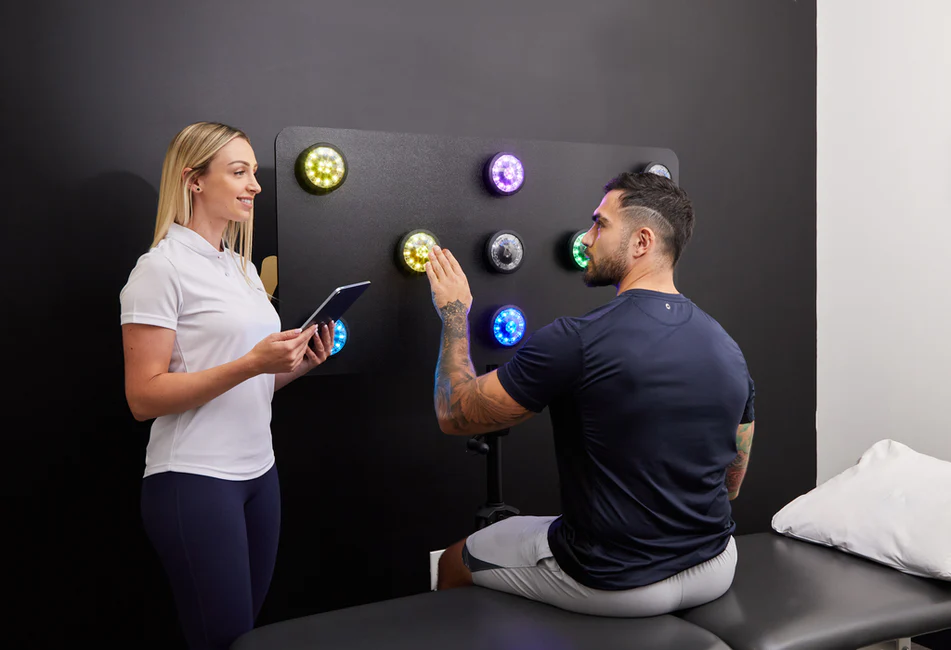
Speech Therapy for Traumatic Brain Injury and Personal Injury inKansas City
At Keystone Medical Group in Kansas City, Missouri, we provide specialized speech therapy and cognitive rehabilitation services for patients recovering from traumatic brain injury, concussion, auto accidents, and other personal injuries. Our licensed speech language pathologists offer personalized care that restores communication, cognitive processing, memory, and overall quality of life for patients across Kansas City, Overland Park, Lees Summit, North Kansas City, Independence, Raytown, and nearby communities.
Whether you are experiencing word finding problems, slowed thinking, attention difficulties, or swallowing issues after a brain injury, our team delivers a comprehensive and evidence based approach designed to help you regain function and confidence.
Our Services
Get in Touch
Why Speech Therapy Matters After a Brain Injury
A traumatic brain injury can affect the way the brain processes language, memory, reasoning, attention, and swallowing. These changes may linger long after the initial injury and often disrupt daily life. According to the American Speech Language Hearing Association ASHA, TBI can result in significant challenges involving speech, language, thought processing, and swallowing. Speech language pathologists play a critical role in identifying these deficits and guiding patients through recovery.
After a brain injury, many patients experience
Cognitive communication disorders that affect memory, attention, organization, and thought processing
Expressive language difficulty including trouble forming sentences or retrieving words
Receptive language problems that impact understanding of spoken or written information
Speech production challenges including slurred or unclear speech
Swallowing disorders called dysphagia that affect safety during meals
Executive function impairments limiting planning and problem solving
Every TBI is unique, and communication challenges can vary widely. This is why patients need individualized speech therapy that targets the exact deficits affecting everyday life.

What Speech Therapy Helps with After a Concussion or TBI
Speech therapy at Keystone Medical Group focuses on the specific changes that occur in the brain after a traumatic brain injury. A TBI can disrupt the way a person processes language, organizes thoughts, remembers information, understands what others are saying, or safely swallows food and liquids. These changes often interfere with home life, work performance, academic demands, and social interactions. Our Kansas City based team designs therapy that supports real functional recovery, helping patients rebuild the communication and cognitive abilities needed for daily living, employment responsibilities, family relationships, and overall independence.
After a concussion or a more severe TBI, many patients notice that their thinking feels slower, conversations feel harder to follow, or common tasks take much longer than before the injury. Others feel frustrated because they cannot retrieve the right words or express thoughts clearly. Some individuals experience difficulty multitasking, managing schedules, completing work tasks, remembering appointments, or interpreting social cues. These challenges are common after head injuries and can affect patients across Kansas City, Overland Park, Lees Summit, Blue Springs, Liberty, Independence, Raytown, Shawnee, and surrounding areas.
Our speech language pathologists evaluate each of these problems in detail so therapy can directly target the areas that matter most in daily life. Treatment may focus on attention training, memory enhancement, problem solving, language processing, verbal organization, reading comprehension, speech clarity, or swallowing safety. We also use real world scenarios that reflect what patients encounter at home, at work, or in legal and medical settings after a personal injury. This functional approach ensures that improvements in therapy translate into meaningful progress outside the clinic.
Many patients involved in auto accidents or work injuries face layered challenges such as headaches, dizziness, vision problems, neck pain, fatigue, stress, and emotional changes. These issues can make communication and thinking even more difficult. Our therapists understand how these systems overlap and create therapy plans that account for the full picture of the injury. The goal is not only to improve communication but also to help patients regain confidence, reduce frustration, and feel more capable navigating daily tasks in the Kansas City area.
Cognitive Communication Rehabilitation
Cognitive communication deficits include problems with attention, memory, organization, planning, reasoning, judgment, and processing speed. These issues can make simple tasks feel overwhelming. Our approach helps patients improve
Memory recall and retention
Sustained and divided attention
Organization, planning, and sequencing
Processing speed and comprehension
Everyday functionality
Many therapy exercises are practical and simulate real life tasks such as managing schedules, remembering appointments, organizing tasks at work, and following multistep instructions.

Language and Word Finding Treatment
Patients with TBI frequently struggle to find the right words or express complex thoughts. Others have difficulty following conversations or understanding the meaning of written or spoken information. Our therapy approach strengthens
Expressive language
Receptive language
Word retrieval
Comprehension and processing of information
We use structured language exercises, conversation practice, and functional tasks that mirror real communication challenges patients face daily.
Speech Sound and Articulation Therapy
Motor planning and coordination may be affected after a TBI, leading to unclear speech. Therapy helps improve
Articulation and clarity
Voice quality
Oral motor strength and control
Overall intelligibility
This type of therapy is especially important for patients who are often misunderstood or frustrated when communicating with others.


Swallowing Evaluations and Therapy
A brain injury can impact the muscles that control safe swallowing. Our speech language pathologists provide full dysphagia assessments and treatment focused on
Improving safety during meals
Preventing choking and aspiration
Strengthening oral motor function
Training compensatory strategies to support safe eating and drinking
Swallowing therapy improves not only safety but also comfort and confidence during meals.
Social Communication and Pragmatic Skills
Traumatic brain injuries often affect the ability to understand social cues, maintain conversations, stay on topic, interpret humor, or manage emotional responses during communication. Therapy in this area may include
Practicing real world social situations
Building conversational turn taking skills
Improving topic maintenance
Strengthening interpretation of nonverbal cues
These skills are essential for rebuilding relationships and navigating the social demands of work, school, and community activities.

Comprehensive Concussion Management in Kansas City
We provide a comprehensive concussion management program in Kansas City, addressing every stage of care from evaluation to therapy. Our approach begins with thorough assessments, including balance testing, oculomotor and vestibular evaluations, CNS Vital Signs neurocognitive testing, and advanced DTI imaging. With years of experience in concussion care, our multidisciplinary team combines cognitive rehabilitation, physical therapy, and mental health support to create a detailed understanding of each patient’s condition and needs.
Targeted therapies are tailored to address the wide range of concussion symptoms. From cognitive rehabilitation and balance training to oculomotor therapy and mental health interventions, every treatment is designed to support recovery and long-term well-being. Our experienced providers help patients across Kansas City, Overland Park, Lee’s Summit, and surrounding areas achieve safer, faster, and more complete recoveries.
Our Personalized Treatment Approach
Every patient receives an individualized care plan based on their symptoms, goals, and daily needs. Speech therapy is never one size fits all. At Keystone Medical Group, the treatment process includes several important steps.
Comprehensive Evaluation
Before therapy begins, we complete a detailed assessment to identify communication and cognitive challenges. This may include
Cognitive communication testing
Expressive and receptive language assessments
Speech articulation and voice analysis
Swallowing evaluations if needed
Once the assessment is complete, the therapist explains each finding clearly and answers any questions.
Customized Therapy Plan
Your therapy plan is designed based on the results of your evaluation. This may include
Targeted cognitive exercises
Functional memory strategies
Real world communication activities
Swallowing safety interventions
Social communication training
Plans evolve as you progress to ensure continued improvement.
Real Life Functional Focus
All therapy is built around real life outcomes such as improving work performance, returning to school, keeping up with conversations, remembering appointments, and managing daily tasks. Therapy sessions connect directly to the goals that matter most to you.
Collaborative Care
Our therapists coordinate closely with medical providers, physical therapists, occupational therapists, mental health clinicians, and case managers. This collaborative approach ensures that every aspect of your recovery is supported and that your treatment plan is aligned across all providers.
Conditions Speech Therapy Treats
Speech therapy at Keystone Medical Group supports recovery from many conditions including
Concussion
Post concussion syndrome
Mild moderate and severe traumatic brain injury
Aphasia and language impairments
Cognitive communication disorder
Dysarthria
Swallowing disorders dysphagia
Attention and memory deficits
Executive dysfunction including planning and organization challenges
Our goal is to support full functional recovery and help patients return to meaningful daily activities.
Who Should Consider Speech Therapy
Speech therapy is appropriate for anyone experiencing communication or cognitive problems after a brain injury or personal injury. You may benefit from our services if you notice
Difficulty understanding conversations
Trouble expressing thoughts
Word finding challenges
Memory problems affecting daily life
Slowed processing
Difficulty concentrating
Trouble following instructions
Speech that is slurred or difficult to understand
Swallowing difficulty during meals
Even mild changes can impact work, relationships, and safety. Early support leads to stronger long-term recovery.
What to Expect at Your First Visit
Your first speech therapy appointment at Keystone Medical Group includes a thorough and supportive evaluation.
Initial Testing
Your speech language pathologist will assess
Cognitive processing
Language skills
Speech clarity
Voice quality
Swallowing function as needed
Goal Development
You and your therapist will set clear goals that match what you want to accomplish in everyday life. Examples may include returning to work duties, improving communication with family, or regaining independence in daily tasks.
Personalized Treatment Plan
Your therapist will outline a plan that includes therapy frequency, recommended techniques, home practice, and strategies for immediate daily improvement.
Why Patients Choose Keystone Medical Group for Speech Therapy
Patients across Kansas City choose Keystone Medical Group because we offer
Experienced clinicians with extensive TBI and concussion training
Comprehensive and individualized treatment plans
Evidence based therapy focused on functional outcomes
Collaboration with medical providers, physical therapy, and mental health services
Strong support for patients involved in personal injury cases
A Kansas City focused clinic dedicated to injury rehabilitation
Our team is committed to delivering compassionate, effective care that supports long term recovery.
Take the Next Step Toward Recovery
If you or a loved one are struggling with communication, memory, thinking, or swallowing after a traumatic brain injury or personal injury, speech therapy at Keystone Medical Group can help you rebuild skills and regain independence.

Learn More About Our Services: