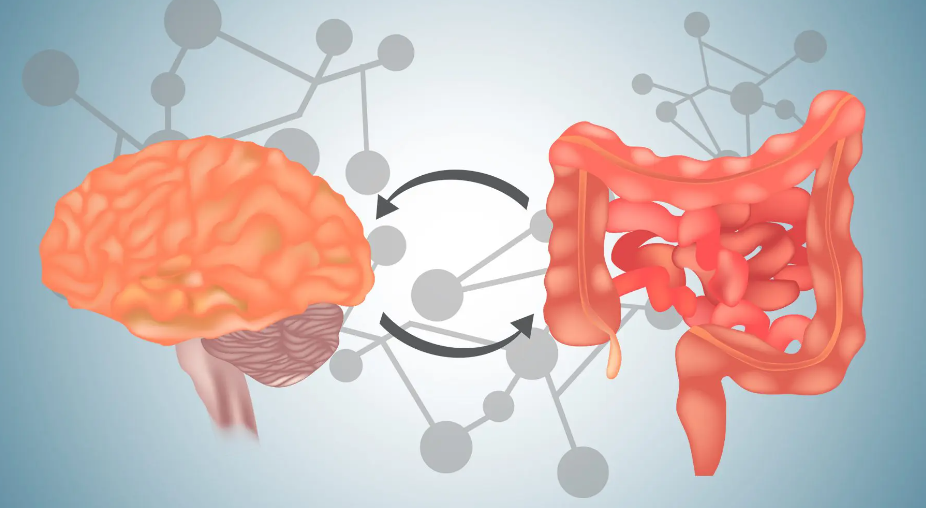
If you’re still experiencing symptoms like brain fog, fatigue, mood changes, or stomach issues long after a concussion, you may be missing a critical piece of the recovery puzzle: the gut-brain axis. For many years, the standard approach to concussion care focused on the brain and physical symptoms. However, a growing body of research shows that the gut is inextricably linked to brain health.
At Keystone Medical Group, a leading concussion clinic in Kansas City, our integrated approach recognizes this connection. We believe that to achieve a full recovery, you must address the complex, bidirectional communication between your gut and your brain. If you are searching for a concussion specialist in Kansas City or a concussion doctor near me, you have come to the right place.
What is the Gut-Brain Axis?
The gut-brain axis is a two-way communication network that connects your central nervous system (brain and spinal cord) to your enteric nervous system (the “second brain” in your gut). This constant dialogue is facilitated by:
-
The Vagus Nerve: A superhighway of nerve fibers that sends signals back and forth between your brain and gut.
-
Neurotransmitters: Many key neurotransmitters, including a significant amount of the body’s serotonin, are produced and stored in the gut.
-
The Gut Microbiome: The trillions of microorganisms that live in your digestive tract. They play a vital role in producing chemicals that influence brain function, mood, and inflammation.
When this system is working correctly, it maintains a state of balance. But a concussion can throw this delicate network into chaos.
How Concussions Disrupt the Gut-Brain Connection
A traumatic brain injury, even a mild one like a concussion, triggers a widespread inflammatory response. This inflammation isn’t confined to the brain; it can cause changes throughout the body, including the gut. This can lead to a state of dysbiosis, an imbalance in the gut microbiome.
This imbalance can create a negative feedback loop:
-
Increased Inflammation: Inflammation in the gut can create a “leaky gut” (increased intestinal permeability), allowing toxins and inflammatory molecules to leak into the bloodstream.
-
Disrupted Communication: These inflammatory molecules can cross the blood-brain barrier and worsen neuroinflammation in the brain, which can intensify symptoms like brain fog, headaches, and fatigue.
-
Altered Neurotransmitters: Dysbiosis can impair the production of essential neurotransmitters, contributing to common post-concussion symptoms like anxiety, depression, and mood swings.
This is why many people who suffer a concussion find themselves grappling with a range of frustrating symptoms that don’t seem to make sense, from digestive issues and food sensitivities to chronic fatigue and emotional lability.
Our Comprehensive Approach to Healing the Whole Person
At Keystone Medical Group, we don’t just treat the symptoms—we find and address the underlying drivers of your condition. Our CORE Program is designed to restore balance to your entire system, including the gut-brain axis.
While we are not gastrointestinal specialists, our holistic approach provides the tools to help heal this vital connection. Through therapies like:
-
Autonomic Nervous System Regulation: By calming a nervous system that is in a state of high alert, we can directly influence the vagus nerve and reduce the stress response that exacerbates gut-brain dysfunction.
-
Targeted Nutrition and Supplementation: We provide guidance on a diet that reduces inflammation and supports a healthy microbiome.
-
Cognitive and Mental Health Support: By addressing the mental health component of your recovery, we help manage the stress, anxiety, and depression that can further disrupt this crucial connection.
By taking a comprehensive, functional approach to your care, our team can help you break the cycle of chronic symptoms and restore the healthy communication between your gut and your brain. This integrated method is what makes us a leading concussion clinic in Lee’s Summit, MO, and a trusted concussion doctor in Overland Park.
For more information on the link between concussions and the gut microbiome, read this article from a leading medical institution: What the Gut Microbiome Can Tell Us About Concussions.