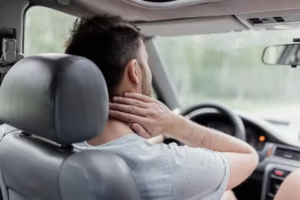
7 Common Signs of a Concussion After a Car Crash
1. Persistent Headaches or Pressure in the Skull
Head pain is one of the most common post-concussion symptoms. The sensation may feel like deep pressure inside the head or recurring headaches that intensify with screen use, loud noises, or physical activity.
2. Dizziness and Difficulty Balancing
Feeling off-balance, lightheaded, or like the room is spinning can indicate vestibular system disruption. Many concussion patients in Leawood and Overland Park report feeling unsteady for days or weeks after an accident.
3. Trouble Concentrating or Remembering Things
Cognitive symptoms such as forgetfulness, difficulty focusing, and mental “fogginess” are common. These can interfere with work, school, and everyday tasks.
4. Visual Disturbances and Light Sensitivity
Blurred vision, difficulty tracking objects, or discomfort with bright lights are often early signs of a concussion. These visual symptoms may also lead to eye strain or headaches.
5. Nausea and Extreme Fatigue
Many patients feel nauseated, especially in the first few hours or days following a head injury. It’s also typical to feel more tired than usual or have trouble staying awake, even after adequate rest.
6. Emotional or Behavioral Shifts
Mood swings, increased anxiety, irritability, or even depression can surface after a concussion. These emotional changes often result from disruptions in brain regions involved in emotional regulation.
7. Sleep Changes
Difficulty falling asleep, staying asleep, or feeling unusually sleepy during the day may point to neurological changes affecting sleep-wake cycles.
Why Prompt Evaluation Matters
In the Kansas City area, many people delay seeking care after a collision, believing their symptoms are minor or will go away on their own. However, untreated concussions can lead to longer recovery times or chronic post-concussion symptoms. Early medical assessment and appropriate therapy can shorten recovery and reduce long-term effects.
Concussion Recovery Support at Keystone Medical Group
At Keystone Medical Group, we provide comprehensive concussion evaluations and medically supervised rehabilitation programs for individuals recovering from car accidents and head injuries. Our team includes physical therapy professionals and medical providers who collaborate with local chiropractors and specialists when needed to support full recovery.
If you’re experiencing symptoms like dizziness, memory issues, or sleep disturbances after an accident, schedule a consultation today. We serve patients throughout Kansas City, Leawood, and Overland Park with evidence-based care tailored to your needs.
Call 816-705-2842 to speak with our team or book your appointment online.
Click here for other concussion specialists in Kansas City.