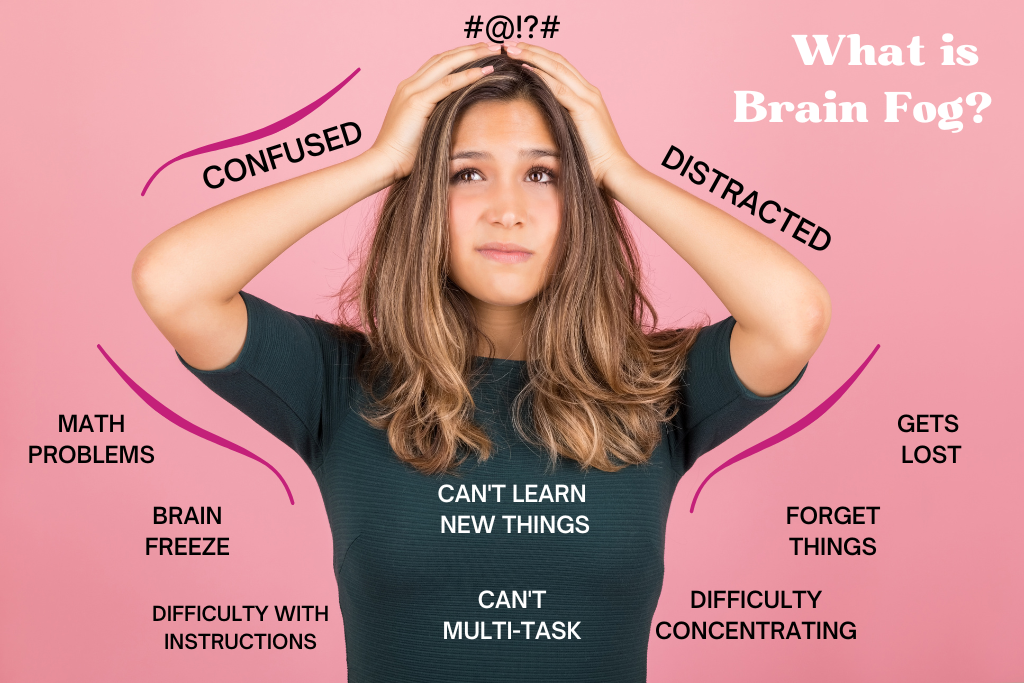

Lingering brain fog, headaches, and trouble concentrating are among the most frustrating symptoms for Kansas City patients recovering from concussion. The real cause is often deeper than the initial injury. Neuroinflammation, a process inside the brain, can continue to affect thinking and mood long after the event itself.
When the brain is jolted by trauma, its immune cells spring into action. Microglia and astrocytes, which normally protect the brain, become hyperactive. This response is meant to help with healing, but if inflammation remains uncontrolled, it can interfere with the brain’s ability to process information and regulate emotions.
A concussion disrupts the brain’s energy supply and can weaken the blood-brain barrier. When this barrier is compromised, outside inflammatory cells and chemical messengers flood into the brain. These substances keep the immune system activated, slowing recovery and contributing to symptoms like mental fatigue and mood changes.
Kansas City patients often report:
Mental cloudiness or slowed thinking
Difficulty remembering details or focusing
Persistent headaches or sensitivity to sound and light
Mood swings, anxiety, or irritability
Trouble reading, multitasking, or keeping up with conversations
These symptoms may last for weeks or months and are often overlooked in standard concussion care.
If neuroinflammation is ignored, the brain’s immune cells stay on high alert and healing is delayed. Studies show that inflammation can persist for months, making it harder to recover fully. Early intervention is key to reducing symptoms and getting back to normal routines.
We take a comprehensive approach to post-concussion care:
Oxygen and Metabolic Support
Exercise with oxygen therapy increases blood flow and brain metabolism
Light therapy can help soothe overactive glial cells and encourage healing
Brain Rehabilitation
Targeted cognitive and vestibular exercises help restore mental sharpness
Gentle stretching and movement routines can ease muscle tension and support the nervous system
If vision problems or complex symptoms persist, referral to a neuro-optometrist or other specialist is available.
Many concussion experts recommend regular movement and breaks from screens to support brain recovery and reduce inflammation.
Schedule a full concussion evaluation. The CORE Program examines brain function, neck movement, and balance to create a personalized recovery plan.
Look for additional factors. Issues with digestion, hormones, or sleep can make neuroinflammation worse.
Begin a focused care strategy. Combining oxygen support, brain exercises, and lifestyle modifications can help you move forward.
Keystone Medical Group provides advanced care for patients throughout the metro, including Lee’s Summit, North Kansas City, and The Plaza. Evaluations are available quickly so you can start feeling better sooner.
This blog is for educational purposes only and does not replace medical advice. If you have experienced a concussion or other injury, please consult a qualified healthcare provider.

We specialize in treating a range of injuries caused by car accidents, including whiplash, head injuries, lower back pain, shoulder injuries, and spinal injuries resulting from motor vehicle collisions.

We offer a specialized network comprising imaging centers, orthopedic surgeons, and other specialists, particularly for cases involving more severe injuries.

In the event of truck accidents where insurance coverage falls short for medical expenses, we can connect you with appropriate legal representation tailored to your specific circumstances.

Our established treatment protocol for injuries is designed to expedite your recovery, ensuring you return to full capacity as soon as possible, minimizing any work disruptions.

Slip and fall cases can be complex, especially when disputes arise concerning liability and coverage. Rest assured, we are well-versed in navigating these intricacies to ensure your case is handled with expertise and diligence.