
Keystone Medical Group

Kansas City concussion clinic

Uncovering the Neck’s Role in Post-Traumatic Headaches: What Kansas City Patients Should Know

Neck Joints and Headache Relief: What Kansas City Car Accident and Concussion Patients Need to Know

Persistent headaches after a car accident or concussion can leave patients searching for answers. While many focus on the brain, overlooked structures in the neck, specifically the cervical facet joints, often play a major role in lingering pain. Understanding this connection can help Kansas City patients find real relief and reclaim their daily lives.

The Cervical Facet Joint Connection

The neck is made up of seven vertebrae, each joined by small facet joints located at the back of the spine. These joints guide movement and stabilize the head. When trauma occurs, such as whiplash from a collision or a sudden blow to the head, these joints can become irritated and inflamed. This irritation is a frequent source of headaches that start at the base of the skull and radiate forward or behind the eyes.

How Neck Injury Leads to Chronic Headaches

Rapid neck movement during an accident can overstretch or compress facet joints. Inflammation in these joints, especially around the C2 to C3 and C3 to C4 levels, often triggers pain signals that travel up into the head. The third occipital nerve is commonly involved, and headaches may persist even after other concussion symptoms resolve.

Recognizing the Signs of Facet Joint Dysfunction

Patients in Kansas City, Overland Park, Liberty, and Lee’s Summit often notice:

Headaches that begin at the base of the skull and move forward
Pain that worsens with neck movement or long periods at a desk
Tenderness in the upper neck, sometimes more on one side
Limited ability to turn or tilt the head
Pressure or throbbing behind the eyes or at the temples
Headaches that flare up with stress, fatigue, or poor posture

These symptoms may shift sides depending on which joints are affected.

Treatment is designed to restore healthy neck function and reduce headache frequency:

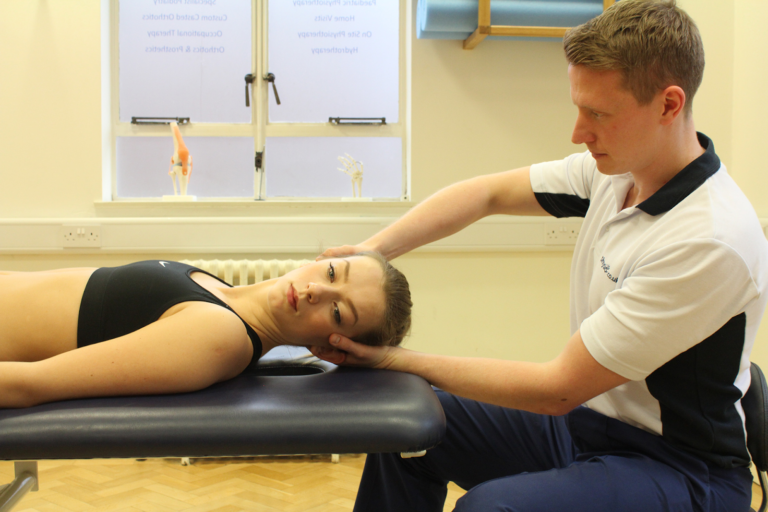
Manual therapy and gentle mobilization to improve joint movement
Chiropractic adjustments when appropriate
Soft tissue techniques and trigger point release
Coordination exercises for head, neck, and eyes
Ergonomic guidance and postural retraining
Home exercises to support long-term recovery

Many specialists recommend regular stretching and movement breaks to keep the neck flexible and reduce tension throughout the day.

When to Consider a Referral

If headaches persist or involve complex symptoms, a referral to a pain or neurology specialist may be recommended. Collaboration with chiropractic providers can also help address muscle tension and improve overall comfort during rehabilitation.

Take Action for Lasting Relief

If you have been told your headaches are simply a result of concussion, but you also notice neck stiffness or posture-related flare-ups, cervical facet joint dysfunction may be the missing link. Early evaluation and targeted therapy can help you recover more fully and return to your regular activities.

Disclaimer

This blog is for educational purposes only and does not replace medical advice. If you have experienced a concussion or other injury, please consult a qualified healthcare provider.

References

Tomlinson Chiropractic
Lance Stevenson, DC
TBI Therapy

Section Title

Why Complete Rest Can Slow Concussion Recovery in Kansas City

Why Prolonged Inactivity Can Delay Concussion Recovery in Kansas City Many patients are told that after a concussion, the best approach is to stay in a dark room and avoid all activity. While...

Box Breathing: A Simple Tool to Calm Your Nervous System After Concussion

Box Breathing: A Simple Tool to Calm Your Nervous System After Concussion Recovering from a concussion is not just about rest and physical healing. Many patients experience lingering symptoms such as...
Returning to Driving After a Concussion: A Kansas City Safety Guide

Returning to Driving After a Concussion: A Kansas City Safety Guide Getting back behind the wheel after a concussion can be challenging. Driving requires fast reflexes, sharp focus, visual tracking...

Mental Health Therapy for Personal Injury Recovery in Kansas City

Mental Health Therapy for Personal Injury Recovery in Kansas City Recovering from a personal injury involves more than physical rehabilitation. Emotional challenges such as stress, anxiety, trauma...

Neurocognitive Assessment with CNS Vital Signs – Kansas City Concussion Diagnostics

Neurocognitive Assessment with CNS Vital Signs – Kansas City Concussion Diagnostics Recovering from a concussion, traumatic brain injury (TBI), or other brain injury requires careful evaluation of...

Balance Assessment for Concussion Recovery in Kansas City

Balance Assessment for Concussion Recovery in Kansas City After a concussion, many patients experience changes in balance, stability, and coordination. These issues can affect daily activities...

The Role of Optimism and Resilience in Concussion Recovery: Mindset as Medicine for Kansas City Patients

The Role of Optimism and Resilience in Concussion Recovery: Mindset as Medicine for Kansas City Patients Healing from a concussion involves much more than physical rest and medical treatment. How you...

Diffusion Tensor Imaging (DTI) and Shearing Injuries After Concussion in Kansas City

Diffusion Tensor Imaging (DTI) and Shearing Injuries After Concussion in Kansas City Concussions and traumatic brain injuries (TBI) often cause subtle but serious damage to the brain’s white matter...

Speech Therapy After Brain Injury – Kansas City Recovery and Rehabilitation

Speech Therapy After Brain Injury – Kansas City Recovery and Rehabilitation Recovering from a brain injury can be a complex journey, affecting not only physical abilities but also communication...