


Diffusion Tensor Imaging (DTI) and Shearing Injuries After Concussion in Kansas City Concussions and traumatic brain injuries (TBI) often cause subtle but serious damage to the brain’s white matter...

Speech Therapy After Brain Injury – Kansas City Recovery and Rehabilitation Recovering from a brain injury can be a complex journey, affecting not only physical abilities but also communication...

Personalized Speech Therapy for Brain Injury in Kansas City Recovering from a brain injury or personal injury often involves challenges beyond physical symptoms. Cognitive difficulties, communication...

Comprehensive Coverage Management for Auto and Work Injuries in Kansas City Recovering from an auto accident or work-related injury can be stressful. Patients must focus on healing while navigating...

Platelet-Rich Plasma (PRP) Therapy for Auto and Work Comp Injuries in Kansas City Recovering from an auto accident or workplace injury can be challenging, especially when pain or limited mobility...

Expert Personal Injury Documentation Services in Kansas City Accurate injury documentation is one of the most important parts of a patient’s recovery process. Whether someone is recovering from an...

Why Early TBI Rehabilitation Matters After a Car Accident in Kansas City Traumatic brain injuries are some of the most misunderstood and underdiagnosed injuries after a car accident. Many people in...
How Speech Therapy Helps Personal Injury Patients Recover From Traumatic Brain Injuries in Kansas City Traumatic brain injuries are among the most misunderstood and often underestimated conditions...

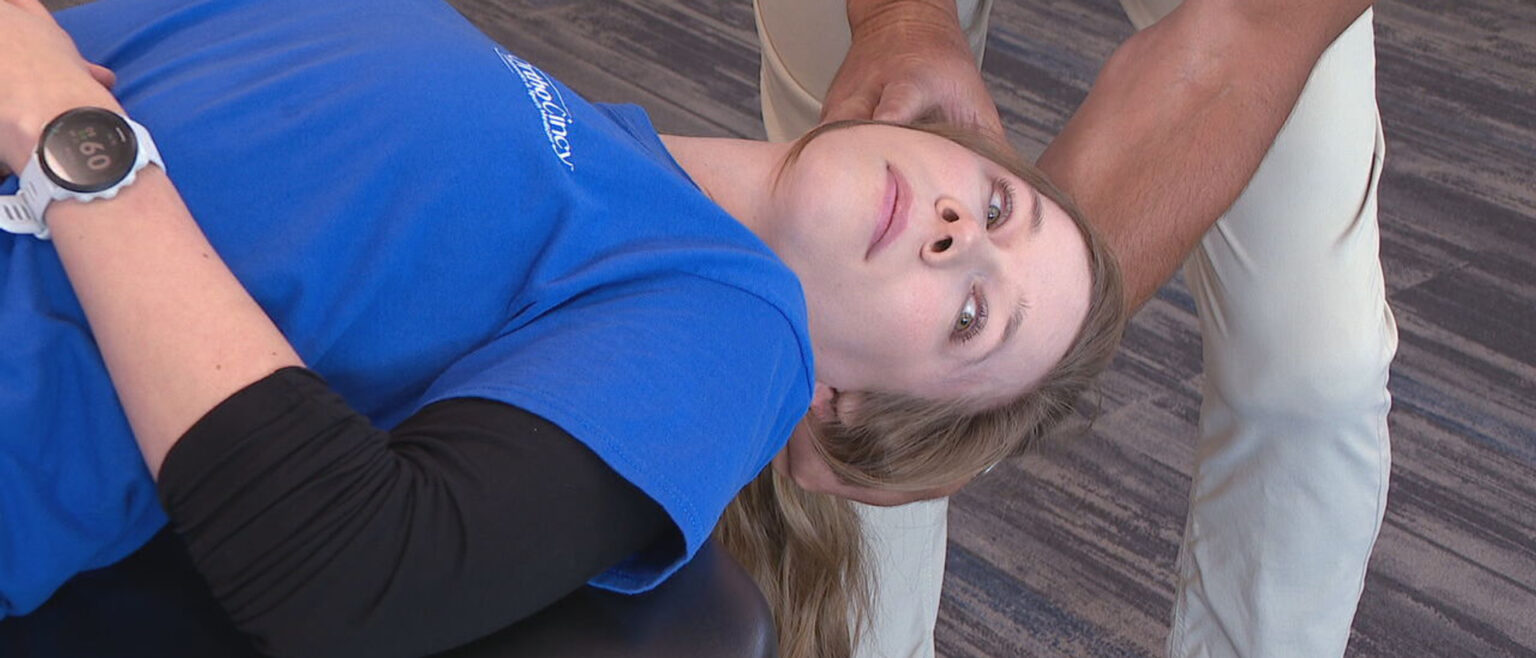
The Hidden Link: How Suboccipital Muscles Cause Headaches and Vision Problems After Concussion in Kansas City Many people in Kansas City continue to experience headaches behind the eyes, blurred...