Many people in Kansas City continue to experience headaches behind the eyes, blurred vision, or eye strain long after a concussion or car accident. While most focus on the brain itself, the suboccipital muscles at the base of the skull are often overlooked. These small but powerful muscles can be the missing link in persistent post-concussion symptoms.
What Are the Suboccipital Muscles and Why Are They Important?
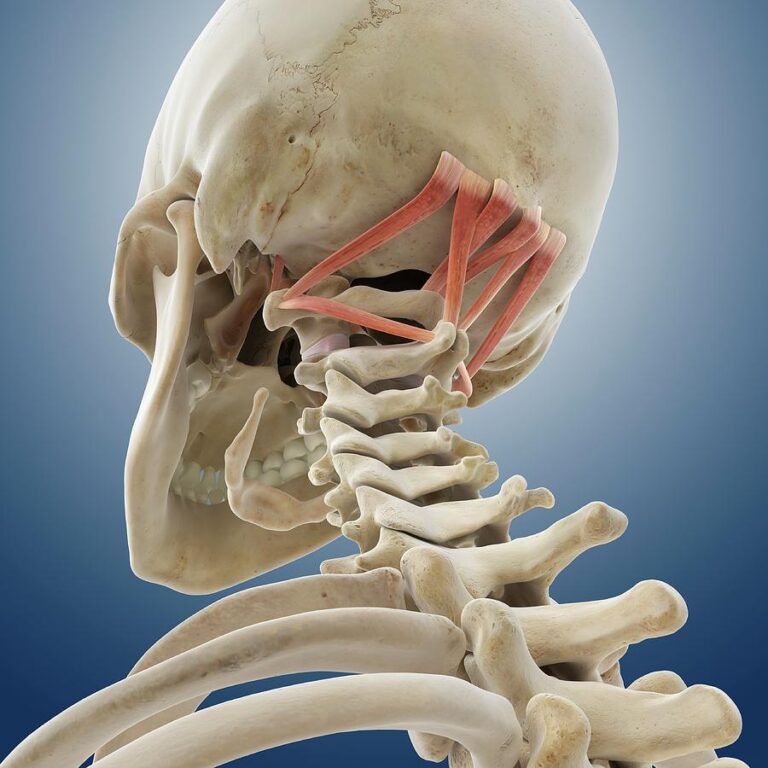
The suboccipital muscles are a group of deep muscles located just beneath the back of the skull. They include the rectus capitis posterior major and minor, as well as the obliquus capitis superior and inferior. These muscles connect the skull to the upper cervical spine, specifically the first and second vertebrae. Packed with proprioceptors, they help the brain understand and control head position and movement.
These muscles play a vital role in fine motor control of the head and neck, eye-head coordination, posture, and stability of the upper cervical spine. When functioning well, they help keep your vision stable and your head movements smooth.
How Do Suboccipital Muscles Become a Problem After Trauma?
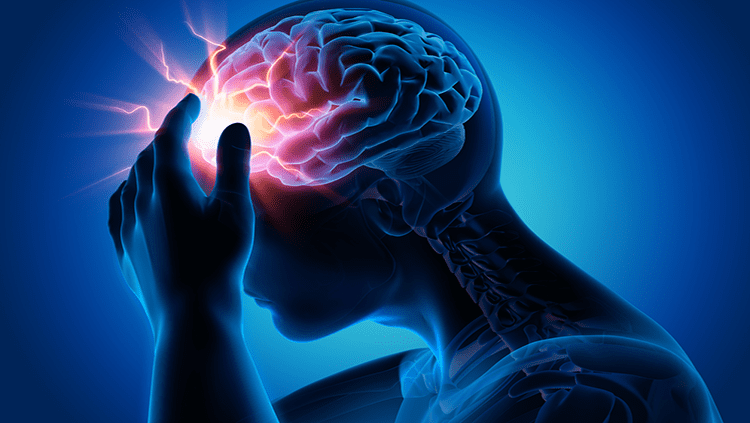
After a concussion, whiplash, or blow to the head, the suboccipital muscles can become tight, develop trigger points, irritate nearby nerves, or disrupt proprioceptive signaling. This can lead to a cascade of symptoms, including tension headaches that start at the base of the skull and move forward, pain or pressure behind the eyes, blurred vision after screen use, difficulty with gaze stability, and neck stiffness or pain.
If you have ever noticed that your headaches seem to start in your neck and move behind your eyes, your suboccipital muscles may be involved.
The Connection Between Suboccipital Muscles and Vision
The suboccipital region is directly connected to the brainstem and cerebellum, which coordinate eye movements and balance. These muscles are also involved in the cervico-ocular reflex, which helps keep your vision stable during head and neck motion. When the suboccipitals are tight or irritated, eye movement can become less coordinated, gaze stability is reduced, and the brain receives conflicting sensory input. This can result in motion sensitivity, double vision, or trouble reading.
In short, dysfunction in the suboccipital muscles can lead to more visual fatigue and more headaches.