




How Negative Expectations Can Hold Back Concussion Recovery: Insights for Kansas City Patients
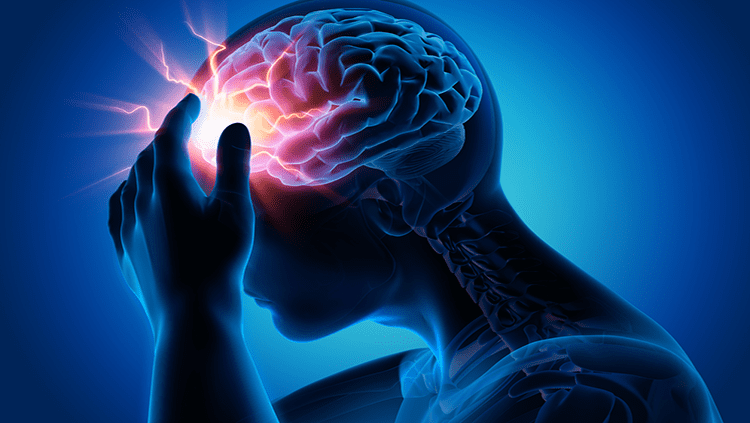
Many people in Kansas City face lingering symptoms and slow progress after a concussion, but the reason is not always physical. The nocebo effect, where negative beliefs and discouraging messages impact healing, can play a major role in recovery. Understanding this phenomenon can help patients and families find better solutions and regain hope.
What Is the Nocebo Effect?
Most people are familiar with the placebo effect, which occurs when positive expectations help improve symptoms. The nocebo effect is the opposite. Negative expectations, fear, or discouraging information can actually worsen symptoms and make recovery feel impossible. This is especially relevant for concussion patients, where what you hear and believe can shape your healing process.
How the Nocebo Effect Shows Up in Concussion Care
If a patient is told that recovery will be slow or unlikely, every minor symptom may seem more significant. Hearing that “nothing can be done” or “just rest and wait” can create a sense of helplessness. This mindset can intensify physical symptoms, prolong brain fog, and lead to persistent post-concussion challenges.
Patients in Grandview, Gladstone, Leawood, and Independence often share stories of feeling stuck after receiving pessimistic advice or reading worst-case scenarios online. Pessimistic messaging can trigger real changes in the brain and nervous system, not just emotional distress.
Common Triggers That Slow Recovery
Statements such as “You will never feel normal again,” “Your MRI is normal, so it must be psychological,” or “Just wait for things to improve” without offering practical support can all contribute to the nocebo effect. Reading online forums filled with negative experiences can also fuel anxiety and symptom awareness.
Building a Positive Path Forward
David Buechner, MD and Managing Director Lance Stevenson believe that concussion recovery is possible with the right approach. Patients deserve clear information, structured rehabilitation, and encouragement based on science and clinical experience. Empowering therapies such as vestibular rehabilitation, vision therapy, and cervical spine care are available to help patients regain function and confidence.
Many concussion experts recommend surrounding yourself with supportive messages and staying engaged in gentle movement and rehab activities. If you feel discouraged, seeking a second opinion or connecting with a provider who offers hope and practical solutions can make a difference.
Why Mindset Matters for Your Brain
The words and attitudes of healthcare providers have a direct impact on patient outcomes. What you read, hear, and internalize can shape your recovery journey. If you have been told that you simply have to suffer through symptoms, know that there are evidence-based options for improvement.
Taking the Next Step Toward Recovery
If you are struggling with persistent symptoms or feeling overwhelmed by negative expectations, a personalized concussion evaluation can help. The team at Keystone Medical Group provides comprehensive assessments and supportive care for patients throughout Kansas City.
Disclaimer
This blog is for educational purposes only and does not replace medical advice. If you have experienced a concussion or other injury, please consult a qualified healthcare provider.
References