Keystone Medical Group

Cytokines, Sleep, and Concussion Recovery in Kansas City

concussion treatment overland park

Cytokines, Sleep, and Concussion Recovery in Kansas City

Sleep is one of the most important factors in brain healing after a concussion, but many people in Kansas City experience sleep disturbances that slow their recovery. One of the key reasons for these problems is inflammation, driven by immune system proteins called cytokines. Understanding the link between cytokines, sleep quality, and concussion recovery can help patients and families make better decisions about their care.

What Are Cytokines and Why Do They Matter in Concussion Recovery?

Cytokines are proteins that act as messengers for the body’s immune system. After a concussion or traumatic brain injury, the brain releases cytokines to help repair damaged tissue and fight off further harm. While this inflammatory response is a normal part of healing, excessive or prolonged inflammation can interfere with the brain’s ability to recover and may directly impact sleep patterns.

How Cytokines Disrupt Sleep After Concussion

Cytokines have a powerful influence on sleep quality. After a concussion, changes in cytokine levels can cause:

  • Increased fatigue and daytime sleepiness, making it difficult to stay alert
  • Disrupted sleep architecture, meaning the normal cycles of deep sleep and REM sleep are interrupted
  • Fragmented sleep, with frequent awakenings or difficulty staying asleep
  • Higher risk for sleep disorders such as insomnia or sleep apnea, which are common in concussion patients

These sleep disturbances can make recovery much harder and may lead to persistent symptoms such as headaches, memory problems, and trouble concentrating.

Why Sleep Is Essential for Brain Healing

During sleep, the brain performs vital functions that support healing after injury. Quality sleep helps:

  • Clear out toxins and metabolic waste from brain cells
  • Repair damaged neurons and tissue
  • Consolidate memories and improve cognitive function
  • Regulate mood and emotional health

Without enough restorative sleep, concussion symptoms can last longer, and the risk of developing post-concussion syndrome increases.

personal injury concussion clinic independence mo

Practical Tips for Kansas City Patients

Tracking sleep quality and symptoms in a journal can help your provider adjust your treatment plan. Keeping records is also useful for accessing additional resources or support during recovery. Many concussion experts recommend simple lifestyle changes, like creating a calming bedtime routine and avoiding caffeine late in the day, to improve sleep quality.

Moving Forward With Brain Health

Restoring sleep quality is crucial for concussion recovery. If you or someone you care about is experiencing sleep problems after a head injury, early intervention can make a significant difference. Keystone Medical Group is dedicated to helping Kansas City patients understand and manage the connection between inflammation, sleep, and brain healing.

Disclaimer

This blog is for informational purposes only and does not replace medical advice. If you have experienced a concussion or other injury, please consult a qualified healthcare provider.

References

Section Title

Personalized Speech Therapy for Brain Injury in Kansas City

Personalized Speech Therapy for Brain Injury in Kansas City Recovering from a brain injury or personal injury often involves challenges beyond physical symptoms. Cognitive difficulties, communication...

Comprehensive Coverage Management for Auto and Work Injuries in Kansas City

Comprehensive Coverage Management for Auto and Work Injuries in Kansas City Recovering from an auto accident or work-related injury can be stressful. Patients must focus on healing while navigating...

Platelet-Rich Plasma (PRP) Therapy for Auto and Work Comp Injuries in Kansas City

Platelet-Rich Plasma (PRP) Therapy for Auto and Work Comp Injuries in Kansas City Recovering from an auto accident or workplace injury can be challenging, especially when pain or limited mobility...

Expert Personal Injury Documentation Services in Kansas City

Expert Personal Injury Documentation Services in Kansas City Accurate injury documentation is one of the most important parts of a patient’s recovery process. Whether someone is recovering from an...

Why Early TBI Rehabilitation Matters After a Car Accident in Kansas City

Why Early TBI Rehabilitation Matters After a Car Accident in Kansas City Traumatic brain injuries are some of the most misunderstood and underdiagnosed injuries after a car accident. Many people in...

How Speech Therapy Helps Personal Injury Patients Recover From Traumatic Brain Injuries in Kansas City

How Speech Therapy Helps Personal Injury Patients Recover From Traumatic Brain Injuries in Kansas City Traumatic brain injuries are among the most misunderstood and often underestimated conditions...

The Hidden Link: How Suboccipital Muscles Cause Headaches and Vision Problems After Concussion in Kansas City

The Hidden Link: How Suboccipital Muscles Cause Headaches and Vision Problems After Concussion in Kansas City Many people in Kansas City continue to experience headaches behind the eyes, blurred...

Harnessing the Power of Vagal Nerve Stimulation for Concussion Recovery in Kansas City

Harnessing the Power of Vagal Nerve Stimulation for Concussion Recovery in Kansas City Recovering from a concussion is often more complex than simply waiting for symptoms to fade. Kansas City patients...

Spinning Sensations After a Car Accident: Understanding BPPV and Dizziness in Kansas City

Why Spinning Sensations After a Car Accident Could Be BPPV: Understanding Post-Traumatic Vertigo in Kansas City After a car accident, many people in Kansas City notice new dizzy spells or a sensation...

Cognitive Therapy After a Kansas City Car Accident

Cognitive Therapy After a Kansas City Car Accident: 5 Warning Signs You Shouldn’t Ignore

cognitive rehab car accident kansas city

After a car accident, most people focus on physical injuries—broken bones, whiplash, or bruises. Yet, the invisible effects on your brain can be just as disruptive, especially when concussion symptoms linger. If you’re in Kansas City or nearby communities like Lee’s Summit, Blue Springs, or Overland Park, knowing when to seek cognitive therapy could be the key to a full recovery.

Cognitive therapy is designed to help people rebuild mental skills that may be compromised after a traumatic brain injury. It addresses challenges with attention, memory, organization, and emotional regulation, offering targeted strategies to restore daily function and quality of life.
1. Difficulty Staying Focused

One of the most common post-concussion complaints is trouble concentrating. You may notice:

  • Losing track of conversations
  • Struggling to finish reading a page or an email
  • Feeling easily distracted in meetings or busy environments

These issues can make work, school, or even simple household tasks feel overwhelming. Cognitive therapy uses exercises and techniques to gradually rebuild your ability to focus and filter distractions. Therapists may recommend mindfulness practices, attention training games, and structured routines to help you regain control.

2. Memory Lapses and Forgetfulness

Memory issues after a car accident can show up in many ways:

  • Forgetting appointments or important dates
  • Misplacing everyday objects like keys or phones
  • Difficulty recalling recent events or instructions

This “brain fog” can be frustrating and even impact your independence. Cognitive therapy helps by teaching memory strategies, such as the use of reminders, organizational tools, and repetition exercises. Over time, these approaches can strengthen both short-term and long-term recall.

3. Slower Thinking and Decision-Making

If you feel your mental processing speed has slowed down, you’re not alone. Common signs include:

  • Taking longer to solve problems or make decisions
  • Needing extra time to understand new information
  • Feeling mentally fatigued after routine tasks

Therapists work with patients to improve processing speed using timed exercises, puzzles, and real-life scenarios that encourage quicker thinking. This can help you regain confidence in your ability to handle daily challenges and responsibilities.

4. Challenges with Multitasking and Organization

Managing multiple tasks or keeping track of responsibilities can become much harder after a concussion. You might notice:

  • Difficulty switching between activities
  • Trouble keeping schedules or to-do lists organized
  • Feeling overwhelmed by even minor changes in routine

Cognitive therapy focuses on rebuilding executive function, which includes skills like planning, prioritizing, and shifting attention. Therapists may introduce strategies such as breaking tasks into smaller steps, using calendars or apps for reminders, and practicing flexibility in daily routines.

5. Emotional Changes That Affect Thinking

Brain injuries often impact mood and emotional regulation, which in turn can worsen cognitive symptoms. You may experience:

  • Increased anxiety or irritability
  • Mood swings or feelings of sadness
  • Difficulty managing stress

Addressing emotional health is a vital part of concussion recovery. Cognitive therapy often works alongside counseling or behavioral interventions to help patients develop coping skills, manage stress, and improve emotional resilience. This integrated approach can speed up recovery and make cognitive improvements more sustainable.

dti imaging kansas city

How Cognitive Therapy Supports Kansas City Patients

Keystone Medical Group’s concussion specialists, including David Buechner, MD and Managing Director Lance Stevenson, create personalized rehabilitation plans for people recovering from car accidents. The process starts with a thorough assessment of your cognitive strengths and weaknesses. A customized therapy program may include individual or group sessions, computer-based cognitive exercises, and real-world practice. Therapists work with you to set achievable goals and monitor your progress, helping you return to work, school, or daily life with greater independence.

Why Documentation Matters

Keeping a journal of your symptoms, emotional changes, and recovery milestones is highly recommended. This record helps your healthcare team tailor your treatment and may be important if you need extra support or resources after a car accident. Accurate documentation can also be helpful for insurance claims or legal matters related to your injury.

Support for Kansas City Residents

Recovering from a concussion takes time and the right support. Cognitive therapy offers hope for those struggling with symptoms that are not always visible. Keystone Medical Group is dedicated to guiding Kansas City residents through every step of the recovery process. If you notice these signs in yourself or someone you care about, consider seeking a comprehensive evaluation and rehabilitation plan.

Disclaimer

This blog is for informational purposes only and does not replace professional medical advice. If you have experienced a concussion or other injury, please consult a qualified healthcare provider.

References

We are Experts in Accident Care

Car Accidents

We specialize in treating a range of injuries caused by car accidents, including whiplash, head injuries, lower back pain, shoulder injuries, and spinal injuries resulting from motor vehicle collisions.

Motorcycle Accidents

We offer a specialized network comprising imaging centers, orthopedic surgeons, and other specialists, particularly for cases involving more severe injuries.

Truck Accidents

In the event of truck accidents where insurance coverage falls short for medical expenses, we can connect you with appropriate legal representation tailored to your specific circumstances.

Work Accidents

Our established treatment protocol for injuries is designed to expedite your recovery, ensuring you return to full capacity as soon as possible, minimizing any work disruptions.

Slip and Fall

Slip and fall cases can be complex, especially when disputes arise concerning liability and coverage. Rest assured, we are well-versed in navigating these intricacies to ensure your case is handled with expertise and diligence.

Section Title

Personalized Speech Therapy for Brain Injury in Kansas City

Personalized Speech Therapy for Brain Injury in Kansas City Recovering from a brain injury or...

Comprehensive Coverage Management for Auto and Work Injuries in Kansas City

Comprehensive Coverage Management for Auto and Work Injuries in Kansas City Recovering from an auto...

Platelet-Rich Plasma (PRP) Therapy for Auto and Work Comp Injuries in Kansas City

Platelet-Rich Plasma (PRP) Therapy for Auto and Work Comp Injuries in Kansas City Recovering from an...

Expert Personal Injury Documentation Services in Kansas City

Expert Personal Injury Documentation Services in Kansas City Accurate injury documentation is one of...

Why Early TBI Rehabilitation Matters After a Car Accident in Kansas City

Why Early TBI Rehabilitation Matters After a Car Accident in Kansas City Traumatic brain injuries...

How Speech Therapy Helps Personal Injury Patients Recover From Traumatic Brain Injuries in Kansas City

How Speech Therapy Helps Personal Injury Patients Recover From Traumatic Brain Injuries in Kansas...

The Hidden Link: How Suboccipital Muscles Cause Headaches and Vision Problems After Concussion in Kansas City

The Hidden Link: How Suboccipital Muscles Cause Headaches and Vision Problems After Concussion in...

Harnessing the Power of Vagal Nerve Stimulation for Concussion Recovery in Kansas City

Harnessing the Power of Vagal Nerve Stimulation for Concussion Recovery in Kansas City Recovering...

Spinning Sensations After a Car Accident: Understanding BPPV and Dizziness in Kansas City

Why Spinning Sensations After a Car Accident Could Be BPPV: Understanding Post-Traumatic Vertigo in...

Three Systems That Hold the Key to Concussion Recovery in Kansas City

concussion clinic olathe ks

Three Systems That Hold the Key to Concussion Recovery in Kansas City

Concussion symptoms that linger after a car accident can be frustrating and confusing for Kansas City residents. Many expect rest to be enough, only to find that headaches, dizziness, or vision problems persist. The truth is, successful concussion rehabilitation depends on a thorough evaluation of three interconnected systems: the neck, the balance system, and the eyes.

Why Your Neck Matters More Than You Think

Neck injuries often accompany head trauma, especially in vehicle collisions. When the cervical spine is affected, it can trigger:

  • Muscle tension and discomfort
  • Restricted movement in the neck joints
  • Nerve irritation that radiates pain to the head or face
  • Instability that amplifies dizziness, headaches, or vision changes

Addressing neck function is essential. If left untreated, even minor issues in the cervical spine can prolong concussion symptoms and make recovery feel out of reach.

The Balance System: Restoring Confidence in Motion

The vestibular system, located deep in the inner ear, helps you maintain balance and interpret movement. After a concussion, people often notice:

  • Feeling unsteady or off-balance
  • Sensitivity to busy environments or quick movements
  • Nausea when turning the head or shifting gaze
  • Difficulty tolerating everyday motion, like riding in a car or walking in crowds

Targeted vestibular therapy helps retrain the brain to process movement signals accurately, reducing dizziness and making daily activities less overwhelming.

Eye Coordination: The Overlooked Piece of the Puzzle

Vision problems are common after concussions, yet many go undiagnosed. Disrupted eye movements can cause:

  • Blurred or double vision
  • Trouble reading or focusing on objects
  • Fatigue after using screens
  • Difficulty tracking moving items
  • Headaches that intensify with visual tasks

Therapies for the oculomotor system include exercises to improve eye tracking, focus, and coordination with head movements. This is vital for anyone returning to work, school, or tasks that demand clear vision.

tbi after a car accident kansas city

Integrated Rehab: Why All Systems Must Work Together

These three systems—neck, balance, and vision—are tightly linked. Neck stiffness can send faulty signals to your balance system. Poor eye tracking can make you feel unsteady. Lingering dizziness keeps the nervous system on high alert, slowing recovery.

Kansas City concussion experts, including David Buechner, MD and Managing Director Lance Stevenson at Keystone Medical Group, recommend a rehab plan that assesses and treats all three areas. This approach helps patients regain control, comfort, and confidence as they return to their routines.

Practical Advice for Recovery

If you’re recovering from a concussion, keep a daily log of your symptoms, triggers, and progress. This record can help your provider tailor your treatment and, if your injury is related to a car accident, may be helpful for insurance or legal documentation.

Moving Forward in Kansas City

Concussion rehabilitation is more than just rest—it’s a coordinated effort to restore neck function, balance, and visual clarity. With the right support, persistent symptoms can improve and life can get back on track.

Disclaimer

This blog is for informational purposes only and does not replace medical advice, diagnosis, or treatment. If you’ve experienced a concussion or injury, consult a qualified healthcare provider.

References

Comprehensive Concussion Management in Kansas City

We provide a comprehensive concussion management program in Kansas City, addressing every stage of care from evaluation to therapy. Our approach begins with thorough assessments, including balance testing, oculomotor and vestibular evaluations, CNS Vital Signs neurocognitive testing, and advanced DTI imaging. With years of experience in concussion care, our multidisciplinary team combines cognitive rehabilitation, physical therapy, and mental health support to create a detailed understanding of each patient’s condition and needs.

Targeted therapies are tailored to address the wide range of concussion symptoms. From cognitive rehabilitation and balance training to oculomotor therapy and mental health interventions, every treatment is designed to support recovery and long-term well-being. Our experienced providers help patients across Kansas City, Overland Park, Lee’s Summit, and surrounding areas achieve safer, faster, and more complete recoveries.

Section Title

Personalized Speech Therapy for Brain Injury in Kansas City

Personalized Speech Therapy for Brain Injury in Kansas City Recovering from a brain injury or...

Comprehensive Coverage Management for Auto and Work Injuries in Kansas City

Comprehensive Coverage Management for Auto and Work Injuries in Kansas City Recovering from an auto...

Platelet-Rich Plasma (PRP) Therapy for Auto and Work Comp Injuries in Kansas City

Platelet-Rich Plasma (PRP) Therapy for Auto and Work Comp Injuries in Kansas City Recovering from an...

Expert Personal Injury Documentation Services in Kansas City

Expert Personal Injury Documentation Services in Kansas City Accurate injury documentation is one of...

Why Early TBI Rehabilitation Matters After a Car Accident in Kansas City

Why Early TBI Rehabilitation Matters After a Car Accident in Kansas City Traumatic brain injuries...

How Speech Therapy Helps Personal Injury Patients Recover From Traumatic Brain Injuries in Kansas City

How Speech Therapy Helps Personal Injury Patients Recover From Traumatic Brain Injuries in Kansas...

The Hidden Link: How Suboccipital Muscles Cause Headaches and Vision Problems After Concussion in Kansas City

The Hidden Link: How Suboccipital Muscles Cause Headaches and Vision Problems After Concussion in...

Harnessing the Power of Vagal Nerve Stimulation for Concussion Recovery in Kansas City

Harnessing the Power of Vagal Nerve Stimulation for Concussion Recovery in Kansas City Recovering...

Spinning Sensations After a Car Accident: Understanding BPPV and Dizziness in Kansas City

Why Spinning Sensations After a Car Accident Could Be BPPV: Understanding Post-Traumatic Vertigo in...

Overcoming Fear-Avoidance Behaviors After an Accident in Kansas City

kansas city personal injury therapist

From Fear to Forward Motion - Overcoming Fear-Avoidance Behaviors After an Accident in Kansas City

After an auto accident in the Kansas City metro area, the path to recovery can feel daunting. The physical pain is obvious, but often the most significant barrier to healing is an invisible one, fear. This fear can lead to a common psychological response known as fear-avoidance behavior. It is the natural human tendency to avoid activities that you believe will cause you pain or re-injury. While this seems logical, it can actually lead to a vicious cycle that prolongs your suffering and prevents a complete recovery.

At Keystone Medical Group, we are the trusted clinic in Kansas City that treats auto accident patients. Our team, led by experts like Lance Stevenson, understands that a full recovery requires addressing both the body and the mind. We help you move past fear, teaching you how to safely and confidently return to your normal life. Our team includes a specialized mental health therapist for car accidents who works alongside our physical rehabilitation specialists to provide integrated care.
Key Takeaways

  • Fear-Avoidance is a Cycle: It starts with a perception of pain, leading to fear and then avoidance, which ultimately increases both physical and emotional symptoms.

  • Inactivity Causes More Pain: Avoiding movement leads to physical deconditioning, which can make your body more susceptible to pain and injury in the long run.

  • The Mind and Body are Linked: Fear-avoidance behavior not only impacts your physical health but also contributes to mental health conditions like anxiety, depression, and social isolation.

  • Integrated Care is Key: Combining physical therapy with trauma-informed mental health therapy is the most effective way to break the fear-avoidance cycle and achieve a lasting recovery.

Understanding the Fear-Avoidance Cycle

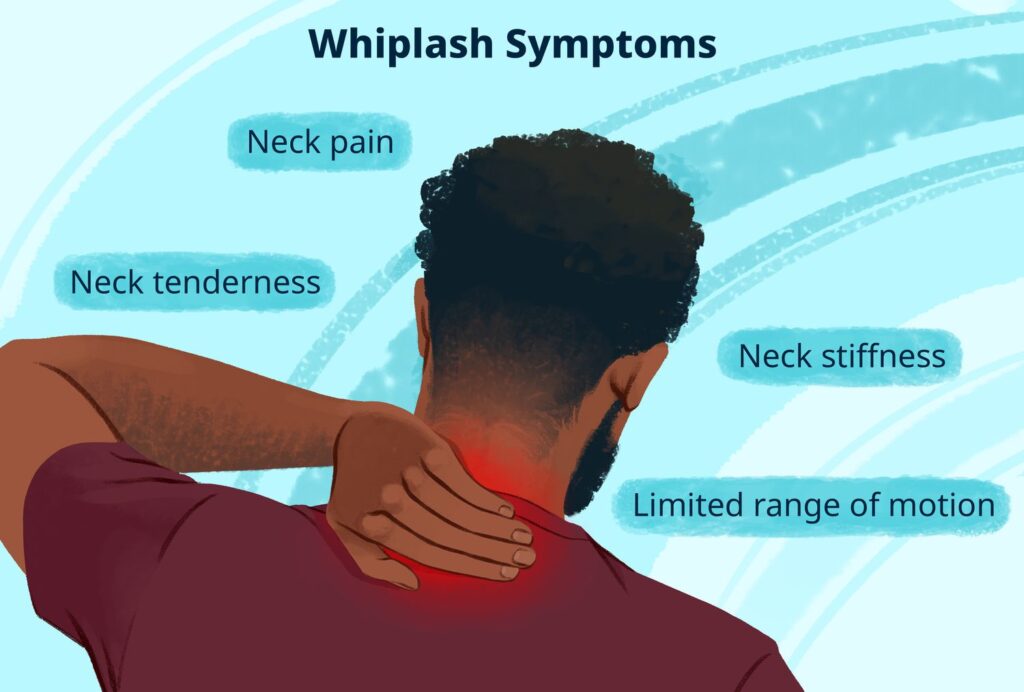
Imagine you are in a car accident and suffer a whiplash injury. In the days following, turning your head causes pain. To prevent this pain, you stop turning your head as much. This is a normal, protective response. However, if this avoidance continues, your neck muscles become weaker and stiffer, making it even more painful to move. This confirms your fear, leading you to avoid the movement even more.

The cycle often progresses like this:

  1. Perception of Pain: You feel pain or discomfort during an activity.

  2. Fear and Catastrophizing: You become afraid that the activity will cause further injury. You might think, “I am never going to get better” or “This pain is a sign of permanent damage.”

  3. Avoidance: You stop doing the activity entirely. This can escalate from avoiding specific movements to avoiding social outings, hobbies, or even returning to work.

  4. Physical and Emotional Decline: Your muscles weaken and your body loses flexibility, which can actually increase your pain. At the same time, your emotional well-being suffers from social isolation and the feeling of helplessness.

This cycle is incredibly common among personal injury patients, but our mental health therapist for car accidents can help you break free from it.

The Role of a Mental Health Therapist in Personal Injury Recovery

While physical therapy is essential for rebuilding strength and mobility, it is often not enough to address the deeply ingrained fear that drives avoidance. This is where the specialized expertise of a trauma-informed mental health professional comes in.

Our therapists use a variety of evidence-based techniques to help you manage your fears and anxieties, including:

  • Cognitive Behavioral Therapy (CBT): This modality helps you identify and challenge the negative thought patterns, like catastrophizing, that fuel your fear. By learning to reframe your thoughts, you can change your emotional response to pain.

  • Graded Exposure: This is a core component of our treatment. We work with you to gradually reintroduce the activities you have been avoiding in a safe and controlled manner. Starting with a very small, comfortable movement, you will slowly build your confidence and tolerance, proving to your brain that the activity is not dangerous.

  • Mindfulness and Relaxation Techniques: Learning to focus on the present moment and manage your body’s stress response can help reduce overall pain and anxiety, giving you the mental clarity to engage in your physical rehabilitation.

At our clinic in Kansas City that treats auto accident patients, we believe in a coordinated approach. Your mental health therapist works closely with your physical therapist to ensure your psychological and physical progress are synchronized, paving the way for a faster, more complete recovery.

Your Path to Reclaiming Your Life

Fear-avoidance is not a sign of weakness, it is a normal response to a traumatic event. However, it does not have to be the end of your story. By seeking the right help, you can break the cycle and start moving forward, literally and figuratively.

Keystone Medical Group provides the expert, compassionate care you need. From our advanced diagnostics to our integrated rehabilitation programs, our goal is to get you back to the life you love. If you are struggling with fear-avoidance behaviors in the wake of an injury, do not wait. Contact our Kansas City clinic today to schedule a consultation and begin your journey from fear to forward motion.

Frequently Asked Questions (FAQ)

Q: How is fear-avoidance different from just listening to my body? A: Listening to your body means being aware of your pain and not pushing past your limits. Fear-avoidance is different, it is a response where you avoid activity not because of current pain, but because of a fear of future pain or re-injury, even when a professional has deemed the activity safe.

Q: Can fear-avoidance be treated without medication? A: Yes. While medication can be helpful in some cases to manage anxiety or depression, the primary treatment for fear-avoidance is behavioral therapy and graded exposure, which are non-medication approaches.

Q: Will insurance cover this type of therapy? A: In most personal injury cases, the emotional and psychological consequences of the accident are considered a direct part of the injury and are therefore compensable. Our team can help you navigate this process.

The Invisible Injury: Why Mental Health Care is Essential After a Concussion

concussion doctor in kansas city

The Invisible Injury: Why Mental Health Care is Essential After a Concussion

Key Takeaways

  • Concussions are more than just physical brain injuries; they can cause significant psychological and emotional distress.

  • The emotional symptoms of a concussion, like anxiety, depression, and irritability, are as real and debilitating as the physical ones.

  • A comprehensive approach to recovery must include specialized Mental Health Therapy in Kansas City to address the unseen injury.

  • At Keystone Medical Group, our integrated care model helps patients recover faster and more completely by treating both the physical and emotional aspects of a concussion.

When most people think of a concussion, they picture a temporary headache, dizziness, or a few days of “brain fog.” They are often told to rest in a dark room and wait for symptoms to subside. What they aren’t told is that a concussion is a mild traumatic brain injury (TBI) that can leave lasting emotional and psychological scars, the “invisible injury.” As a leading concussion specialist in Kansas City, Keystone Medical Group understands that true recovery extends far beyond the physical. We know that to fully heal, you must address the emotional and psychological toll that a concussion can take.

The Unseen Battle: Emotional and Psychological Symptoms

While physical symptoms like headaches and fatigue are widely recognized, the emotional and psychological effects of a concussion are often overlooked. Yet, these symptoms can be the most challenging and disruptive to a patient’s life. According to the Centers for Disease Control and Prevention, these emotional symptoms are a direct result of the brain injury.

Common “Invisible” Symptoms:

  • Persistent Anxiety and Stress: Fear of re-injury or the stress of navigating medical appointments and work limitations can lead to a state of constant anxiety.

  • Mood Swings and Irritability: The brain’s regulatory systems can be affected, leading to unpredictable mood swings, emotional lability, and a short temper.

  • Depression: Feeling isolated, unable to return to hobbies, or struggling with cognitive function can lead to feelings of hopelessness and clinical depression.

  • Social Withdrawal: Fatigue, sensory sensitivity (to light or noise), and difficulty concentrating can make social interactions exhausting, leading to social isolation.

  • Fear-Avoidance Behaviors: Patients may begin to avoid activities that they believe might trigger their symptoms, such as exercising, driving, or being in loud environments.

These symptoms are not a sign of weakness; they are a direct consequence of the injury to the brain. Just as a physical injury requires a physical therapist, the psychological injury requires a dedicated mental health professional.

The Link Between Brain Injury and Emotional Distress

The brain is the control center for both our cognitive function and our emotions. A concussion can directly damage or disrupt the very neural pathways that regulate mood, impulse control, and emotional responses. Furthermore, the stress of the injury itself, the pain, the uncertainty of recovery, and the changes in daily life, can act as a powerful psychological stressor. Research from institutions like the Mayo Clinic has shown a strong correlation between concussions and the development of anxiety and depression. This is why a single-minded focus on physical rehabilitation is simply not enough.

A Holistic, Integrated Approach to Concussion Recovery

At Keystone Medical Group, we are Kansas City’s go-to concussion specialists because we provide a comprehensive, integrated approach that addresses every aspect of a patient’s recovery. We don’t just assess your physical symptoms; we also conduct a thorough mental health screening from the start.

Our treatment plans are personalized and combine:

  • Medical Management: Expert evaluation and guidance from our medical providers.

  • Physical and Cognitive Therapy: Targeted exercises to improve balance, vision, and cognitive function.

  • Specialized Mental Health Therapy: Our licensed therapists provide a safe space to process the trauma and develop coping mechanisms.

Our team collaborates closely to ensure that your physical and mental health treatments are coordinated. For example, a patient struggling with fear-avoidance behaviors after a concussion receives a treatment plan where physical therapy is designed to gradually reintroduce activities, while mental health therapy helps them manage the underlying anxiety. This integrated model is designed for a more efficient and complete recovery.

The Importance of Early Intervention

The emotional and psychological symptoms of a concussion can worsen over time if left untreated. Patients may develop chronic anxiety or depression, and the fear-avoidance cycle can become deeply ingrained, making it even harder to break. Early intervention is key. Addressing your mental health at the beginning of your recovery journey can help you build resilience, manage your symptoms more effectively, and prevent long-term complications. The Cleveland Clinic offers valuable information on understanding and managing post-concussion syndrome.

You may also want to consider a professional like a chiropractor for your physical care.

Frequently Asked Questions (FAQs)

Q: Are my emotional symptoms normal after a concussion? A: Yes, they are. Many people feel like their emotional responses are “not right,” but they are a very common consequence of a brain injury. Recognizing this is a crucial step towards healing.

Q: How does mental health therapy help with a physical injury? A: Mental health therapy helps you manage the stress, anxiety, and frustration that can slow down your physical recovery. By helping you cope with the emotional toll, therapy enables your body to focus on healing.

Q: What is the difference between a concussion and a TBI? A: A concussion is a type of mild traumatic brain injury (TBI). All concussions are TBIs, but not all TBIs are concussions.

Q: How do you treat the psychological symptoms of a concussion? A: We provide a safe space for you to talk about your experience and your feelings. We use evidence-based therapies like cognitive-behavioral therapy (CBT) to help you understand and manage your symptoms.

Don’t Let the Invisible Injury Hold You Back

If you or a loved one are struggling with the emotional aftermath of a concussion, don’t wait to get help. At Keystone Medical Group, we are here to provide the comprehensive care you need to make a full and complete recovery. We are committed to helping you heal from both the seen and unseen injuries, so you can get back to living a vibrant, confident life.