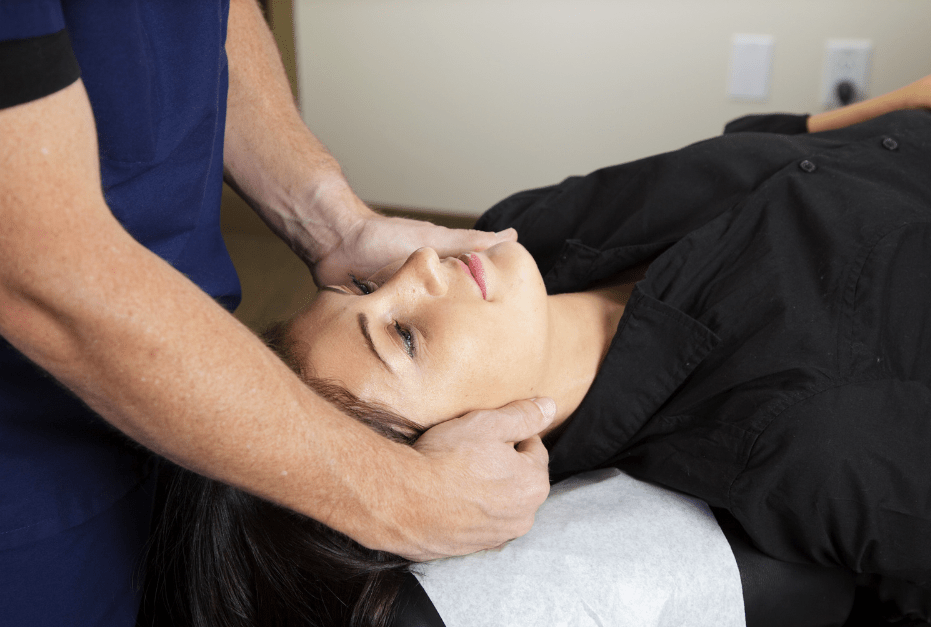
At Keystone Medical Group, a leading provider of personal injury and concussion care in Kansas City, we understand that a physical injury is never just physical. An auto accident, a slip and fall, or a workplace incident in the greater Kansas City metro area can leave behind invisible wounds that are just as debilitating as any broken bone or strained muscle. Anxiety, depression, fear, and trauma are not just side effects, they are a core part of the injury itself. This post explores the often overlooked emotional toll of personal injury and explains why integrated mental health support is not a luxury, it is a critical component of a full recovery. As a top clinic in Kansas City that treats auto accident patients, we are here to help.
Our clinics, serving patients from Overland Park to Lee’s Summit, MO, are built on the principle that true healing addresses the whole person. We are experts in treating the complex interplay between physical pain and emotional distress, providing a clear path forward when the emotional weight of an injury feels overwhelming.
Key Takeaways
Emotional Trauma is a Direct Part of the Injury: Anxiety, depression, and PTSD are common and direct consequences of personal injuries, not signs of weakness.
The Brain and Body are Interconnected: Physical pain can worsen mental health symptoms, and unresolved emotional distress can delay physical healing.
Fear-Avoidance is a Major Barrier: After an accident, it is natural to fear re-injury, but avoiding activity can lead to chronic pain, deconditioning, and increased isolation.
Integrated Care is Essential: Combining physical rehabilitation with trauma-informed mental health therapy provides the most effective path to a complete and lasting recovery.
The Psychological Fallout of Personal Injury
After a traumatic event like a car crash or a serious fall, the body’s primary focus is on physical survival. Your nervous system is flooded with stress hormones, your muscles tense up, and your brain goes into high alert. While this response is protective in the moment, it can leave a lasting imprint on your psychological well being.
Many patients in the Kansas City area report feeling emotionally “off” long after their physical wounds have started to heal. This is not unusual. The emotional toll of a personal injury can manifest in several ways:
Anxiety and Hypervigilance: You might find yourself constantly on edge, replaying the accident in your mind, or feeling a sense of dread when faced with situations that remind you of the event, like driving a car. This is a classic symptom of post,traumatic stress.
Depression and Hopelessness: The frustration of dealing with chronic pain, the inability to work or enjoy hobbies, and the stress of medical bills and insurance claims can lead to feelings of sadness, isolation, and hopelessness.
Irritability and Anger: It is common to feel angry about the accident, the other person involved, or even your own body for not healing faster. This can strain relationships with family and friends.
Loss of Identity: If an injury prevents you from performing your job, caring for your family, or participating in activities you love, it can feel like you have lost a part of yourself.
At Keystone Medical Group, our approach begins with validating these experiences. Our personal injury mental health specialists in Kansas City recognize that these emotional symptoms are a direct and predictable outcome of the trauma you have endured.
The Vicious Cycle of Pain, Anxiety, and Inactivity
One of the greatest challenges in personal injury recovery is the complex relationship between physical pain and emotional health. These two systems are deeply interconnected, and when one is out of balance, the other is sure to follow. This often creates a downward spiral known as the “fear-avoidance cycle.”
Here is how it works:
You Experience Pain: After your injury, certain movements or activities cause pain.
You Fear the Pain: Naturally, you begin to fear the activities that cause pain, anticipating that they will make your injury worse.
You Avoid Those Activities: To protect yourself, you stop doing things that you believe will hurt you. You might stop exercising, avoid social gatherings, or even take extra time off work.
Your Body and Mind Suffer: This avoidance leads to physical deconditioning, muscle weakness, and increased stiffness, which can actually make your pain worse. At the same time, the social isolation and lack of activity can fuel feelings of depression and anxiety.
This cycle can be incredibly difficult to break on your own. It is why our trauma-informed therapy in Overland Park and our other locations is integrated directly with our physical rehabilitation programs. We help you safely reintroduce movement and activity while providing you with the psychological tools to manage your fear and anxiety.
How Keystone Medical Group Treats the Emotional Toll of Injury
At Keystone Medical Group, we do not treat your physical and emotional symptoms in isolation. Led by Dr. Lance Stevenson, a trusted name in Kansas City, our multidisciplinary team works together to create a cohesive and personalized treatment plan that addresses every aspect of your recovery. A mental health therapist for car accidents is a critical part of this team.
Our mental health support for personal injury includes:
Comprehensive Evaluation: Our licensed therapists conduct a thorough evaluation to understand the full scope of your emotional and psychological symptoms. We create a safe, non,judgmental space for you to share your experiences.
Trauma-Informed Therapy: We use evidence,based therapeutic modalities like Cognitive Behavioral Therapy (CBT) and Eye Movement Desensitization and Reprocessing (EMDR) to help you process the trauma of the accident and develop healthy coping strategies.
Pain Management Techniques: Our therapists teach you techniques like mindfulness, relaxation exercises, and cognitive reframing to help you manage your perception of pain and reduce its control over your life.
Collaboration with Your Physical Care Team: Our mental health professionals work hand in hand with our physical therapists and medical providers. This ensures that your physical and emotional therapies are aligned and that you are progressing safely on all fronts.
Your Path to a Complete Recovery Starts Here
Recovering from a personal injury is about more than just healing your body. It is about reclaiming your sense of safety, your confidence, and your quality of life. At Keystone Medical Group, we are committed to providing the integrated, compassionate care you need to heal completely, both inside and out.
If you are struggling with the emotional weight of an injury, you are not alone, and you do not have to suffer in silence. Contact our concussion and personal injury clinic in Kansas City today to schedule an evaluation and take the first step toward a full and lasting recovery.
Frequently Asked Questions (FAQ)
Q: Is it normal to feel anxious or depressed after a minor car accident? A: Absolutely. Even accidents that seem minor can be traumatic. The suddenness of the event, the feeling of losing control, and the disruption to your life can trigger significant emotional responses, regardless of the severity of your physical injuries.
Q: How can therapy help my physical pain? A: Therapy can help you change your relationship with pain. By learning techniques to manage stress, reduce anxiety, and reframe negative thoughts about your pain, you can lower your body’s overall stress response, which can directly reduce pain perception and muscle tension.
Q: Will my personal injury settlement cover mental health therapy? A: In many cases, yes. Mental health treatment that is deemed necessary for your recovery from an accident is often a compensable part of a personal injury claim. Our team is experienced in providing the necessary documentation to support your case.