Keystone Medical Group

When Vision Feels Off: Recognizing Post-Trauma Vision Syndrome After Concussion or Car Accident in Kansas City

eye tracking concussion kc

When Vision Feels Off: Recognizing Post-Trauma Vision Syndrome After Concussion or Car Accident in Kansas City

Many people in Kansas City experience lingering visual problems after a concussion or car accident, even when standard eye exams show no structural damage. This frustrating disconnect is often the result of Post-Trauma Vision Syndrome, a condition that affects how the brain and eyes work together after trauma.

What Is Post-Trauma Vision Syndrome?

Post-Trauma Vision Syndrome is a neurological condition that develops when the brain’s ability to process visual information is disrupted by injury. It can follow concussions, whiplash, sports accidents, or falls. Patients often report that their eyes are healthy, but they still struggle with daily tasks that require visual focus and coordination.

Symptoms That Signal Visual Processing Problems

PTVS can make everyday activities challenging and may mimic other post-concussion symptoms. Common signs include:

  • Blurred or double vision, even if eyesight was normal before the injury
  • Difficulty reading, losing your place, or feeling fatigued quickly
  • Dizziness or motion sensitivity in stores, cars, or while scrolling on devices
  • Light sensitivity that triggers headaches or discomfort
  • Eye strain and headaches after screen time or detailed tasks
  • Trouble with depth perception and balance, leading to stumbles or uncertainty on stairs
  • Overwhelm in crowded or busy environments
  • Delayed visual processing and mental fatigue

Patients in Overland Park, Lee’s Summit, Liberty, and throughout Kansas City often find these symptoms make work, school, and social activities much harder.

vision therapy after a car accident

Why Vision Changes Occur After Brain Injury

The visual system is closely linked with balance, movement, and attention. After concussion or whiplash, even subtle disruptions can lead to oculomotor dysfunction, convergence insufficiency, and visual-vestibular mismatch. These issues are not visible on a standard eye exam, which is why many people go undiagnosed.

How Keystone Medical Group Identifies and Treats PTVS

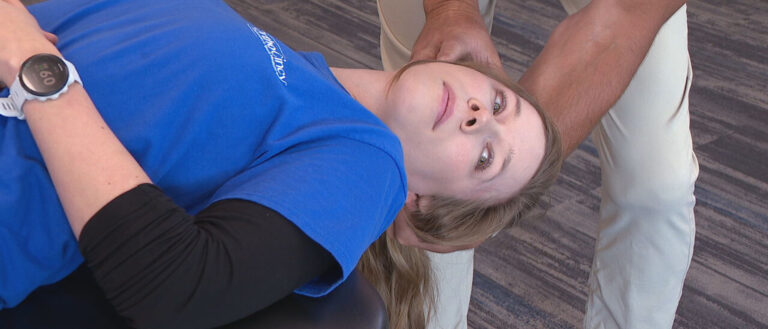
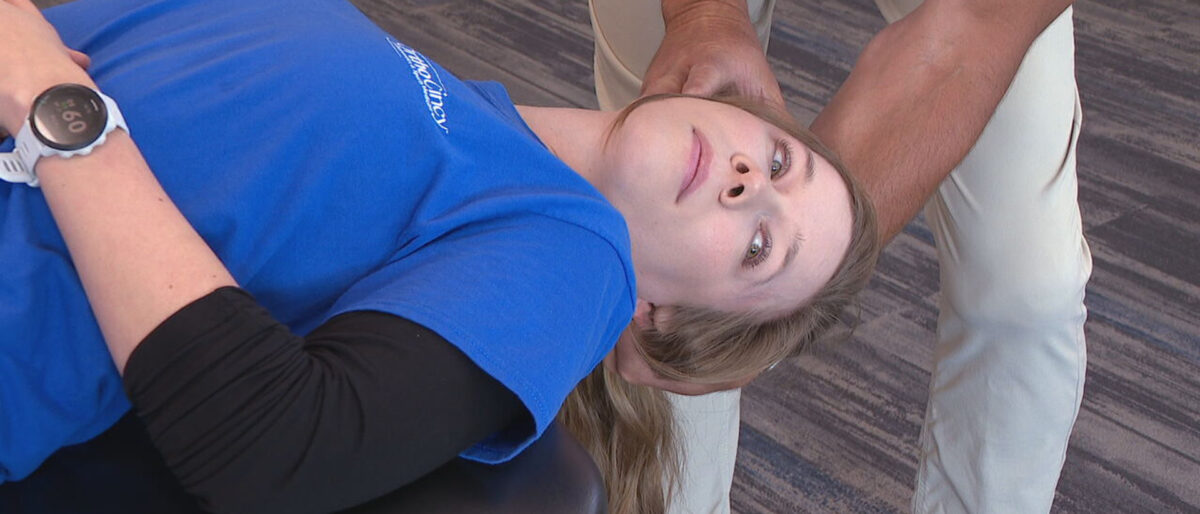
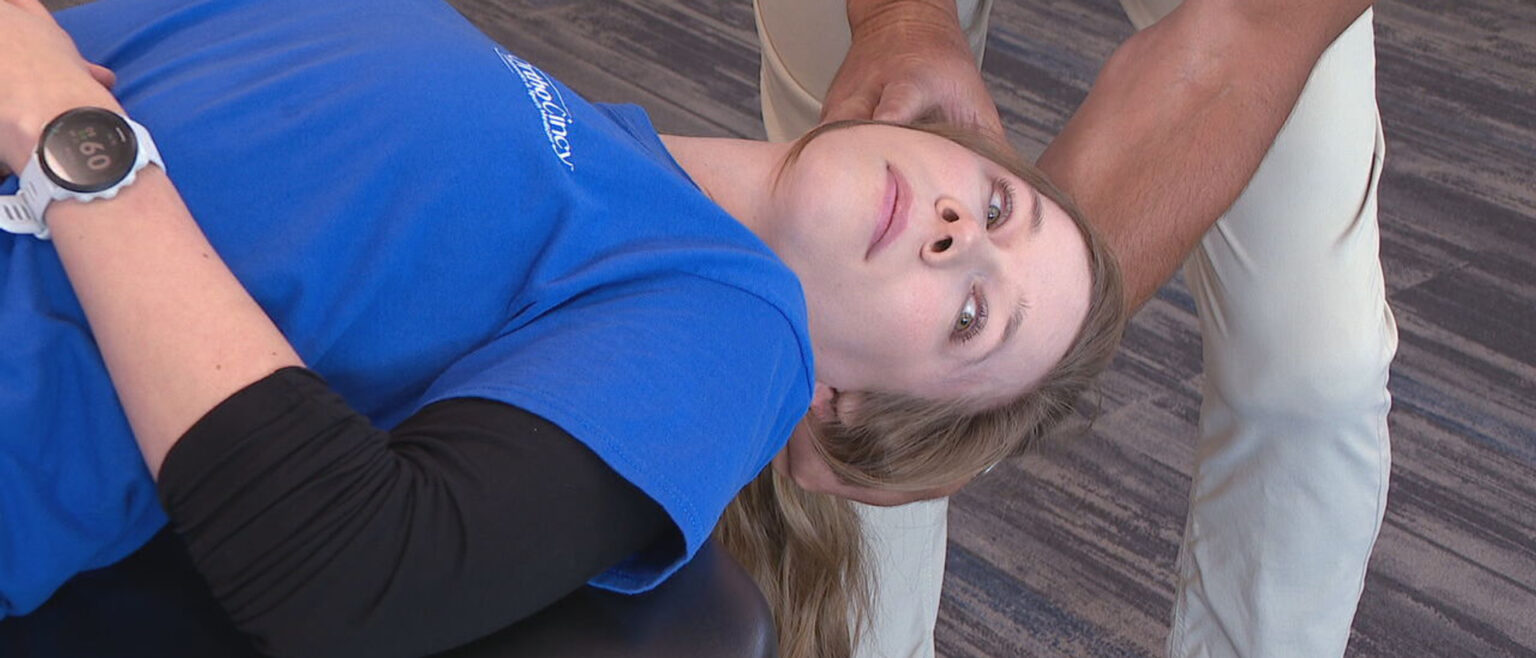
David Buechner, MD and Managing Director Lance Stevenson provide comprehensive evaluations that include post-concussion visual screening. The assessment may involve:

  • Eye tracking and focus tests
  • Convergence and divergence evaluation
  • Gaze stabilization and vestibulo-ocular reflex checks
  • Sensitivity to visual motion
  • Balance and sensory integration review

Treatment plans are customized and may include:

  • Oculomotor and gaze stabilization exercises
  • Visual-vestibular retraining
  • Convergence training for reading and near work
  • Balance therapy and sensory re-integration

If your symptoms require advanced care, we will refer you to a trusted vision specialist or neuro-optometrist for further evaluation and treatment.

Do Not Ignore Lingering Vision Issues

Post-Trauma Vision Syndrome can make everyday life feel overwhelming, but targeted therapy can help restore clarity and comfort. If you are struggling with vision or balance after a concussion, a thorough evaluation and personalized treatment plan can put you on the path to recovery.

Disclaimer

This blog is for educational purposes only and does not replace medical advice. If you have experienced a concussion or other injury, please consult a qualified healthcare provider.

References

Complete Concussions
Lance Stevenson, DC
TBI Therapy

Comprehensive Concussion Management in Kansas City

We provide a comprehensive concussion management program in Kansas City, addressing every stage of care from evaluation to therapy. Our approach begins with thorough assessments, including balance testing, oculomotor and vestibular evaluations, CNS Vital Signs neurocognitive testing, and advanced DTI imaging. With years of experience in concussion care, our multidisciplinary team combines cognitive rehabilitation, physical therapy, and mental health support to create a detailed understanding of each patient’s condition and needs.

Targeted therapies are tailored to address the wide range of concussion symptoms. From cognitive rehabilitation and balance training to oculomotor therapy and mental health interventions, every treatment is designed to support recovery and long-term well-being. Our experienced providers help patients across Kansas City, Overland Park, Lee’s Summit, and surrounding areas achieve safer, faster, and more complete recoveries.

Section Title

From Clinic to Daily Life: How Functional Exercise Transforms Concussion Recovery in Kansas City

From Clinic to Daily Life: How Functional Exercise Transforms Concussion Recovery in Kansas City...

How Negative Expectations Can Hold Back Concussion Recovery: Insights for Kansas City Patients

How Negative Expectations Can Hold Back Concussion Recovery: Insights for Kansas City Patients Many...

Brain Fog After Concussion: How Neuroinflammation Disrupts Recovery in Kansas City

Brain Fog After Concussion: How Neuroinflammation Disrupts Recovery in Kansas City Lingering brain...

Uncovering the Neck’s Role in Post-Traumatic Headaches: What Kansas City Patients Should Know

Uncovering the Neck’s Role in Post-Traumatic Headaches: What Kansas City Patients Should Know Neck...

When Vision Feels Off: Recognizing Post-Trauma Vision Syndrome After Concussion or Car Accident in Kansas City

When Vision Feels Off: Recognizing Post-Trauma Vision Syndrome After Concussion or Car Accident in...

Recovering From a Car Accident: Why Concussion Therapy Needs a Personal Touch in Kansas City

Recovering From a Car Accident: Why Concussion Therapy Needs a Personal Touch in Kansas City Car...

Why Ignoring Concussion Symptoms Delays Healing in Kansas City

When Symptoms Are Overlooked: The Hidden Cost of Minimizing Concussions in Kansas City Many people...

What Happens to the Brain During a Concussion? Understanding the Neurometabolic Cascade

What Happens Inside Your Brain During a Concussion: The Neurometabolic Cascade Explained Concussions...

What Happens to the Brain During a Concussion? Understanding the Neurometabolic Cascade

concussion therapy kc

What Happens Inside Your Brain During a Concussion: The Neurometabolic Cascade Explained

Concussions are often misunderstood as simple head injuries that resolve with rest. In reality, every concussion triggers a complex series of changes inside the brain, known as the neurometabolic cascade. Understanding this process can help Kansas City patients and families recognize why symptoms persist and what steps support true recovery.

Beyond the Initial Impact: How Brain Cells React

When the brain experiences trauma from a car accident, sports injury, or fall, the force does more than cause pain. It stretches delicate brain cells and disrupts their normal communication. These microscopic changes set off a chain reaction that affects energy use, blood flow, and inflammation throughout the brain.

Key Phases of the Neurometabolic Cascade

Cellular Stretching and Disruption
The initial trauma causes neurons and their connecting fibers to stretch, sometimes leading to temporary loss of function. This disruption can make it difficult for brain cells to send and receive signals properly.

Ionic Shifts and Chemical Imbalances
After injury, potassium moves out of neurons and calcium moves in, altering the cell’s electrical stability. The brain also releases large amounts of glutamate, a neurotransmitter that increases cellular activity and energy demand.

Energy Crisis in the Brain
To recover from the sudden chemical imbalance, the brain uses up its stored energy (ATP) at a rapid rate. If a second concussion occurs before the first has healed, the energy deficit can become severe and increase the risk of long-term problems.

Reduced Blood Flow and Oxygen Supply
The brain needs more oxygen and nutrients to repair itself, but blood flow to injured areas often decreases. This mismatch can prolong symptoms and slow recovery.

Mitochondrial Stress and Inflammation
The brain’s mitochondria, responsible for producing energy, become less efficient after injury. At the same time, the blood-brain barrier may become leaky, allowing inflammatory molecules to enter and trigger swelling that can last for weeks.

Why These Changes Matter for Recovery

The neurometabolic cascade is the reason concussion symptoms can appear hours or days after the initial injury. Kansas City patients may notice brain fog, headaches, dizziness, mood changes, or sensitivity to light and sound. These symptoms are signs that the brain is struggling to rebalance and heal at the cellular level.

Concussion evaluation Kansas City

Lifestyle Adjustments and Documentation
Tracking symptoms, sleep quality, and activity tolerance in a journal helps your care team adjust your recovery plan. Ergonomic changes and posture correction may also reduce strain and support healing.

Gentle chiropractic care may help relieve muscle tension and improve nervous system function, which can be an important part of a holistic recovery program.

Why Active Recovery Is Essential

Long periods of rest can actually slow brain healing. Kansas City concussion specialists recommend a gradual return to activity, with careful supervision to avoid re-injury and support steady progress.

Take the Next Step for Your Brain Health

If concussion symptoms are lingering, early intervention and targeted rehabilitation can help you restore clarity, energy, and well-being. The right combination of movement, nutrition, and therapy can make a meaningful difference in your recovery.

Disclaimer

This blog is for educational purposes only and does not replace medical advice. If you have experienced a concussion or other injury, please consult a qualified healthcare provider.

References

Complete Concussions
Tomlinson Chiropractic
Lance Stevenson, DC
TBI Therapy

Section Title

From Clinic to Daily Life: How Functional Exercise Transforms Concussion Recovery in Kansas City

From Clinic to Daily Life: How Functional Exercise Transforms Concussion Recovery in Kansas City...

How Negative Expectations Can Hold Back Concussion Recovery: Insights for Kansas City Patients

How Negative Expectations Can Hold Back Concussion Recovery: Insights for Kansas City Patients Many...

Brain Fog After Concussion: How Neuroinflammation Disrupts Recovery in Kansas City

Brain Fog After Concussion: How Neuroinflammation Disrupts Recovery in Kansas City Lingering brain...

Uncovering the Neck’s Role in Post-Traumatic Headaches: What Kansas City Patients Should Know

Uncovering the Neck’s Role in Post-Traumatic Headaches: What Kansas City Patients Should Know Neck...

When Vision Feels Off: Recognizing Post-Trauma Vision Syndrome After Concussion or Car Accident in Kansas City

When Vision Feels Off: Recognizing Post-Trauma Vision Syndrome After Concussion or Car Accident in...

Recovering From a Car Accident: Why Concussion Therapy Needs a Personal Touch in Kansas City

Recovering From a Car Accident: Why Concussion Therapy Needs a Personal Touch in Kansas City Car...

Why Ignoring Concussion Symptoms Delays Healing in Kansas City

When Symptoms Are Overlooked: The Hidden Cost of Minimizing Concussions in Kansas City Many people...

What Happens to the Brain During a Concussion? Understanding the Neurometabolic Cascade

What Happens Inside Your Brain During a Concussion: The Neurometabolic Cascade Explained Concussions...

Top Workers’ Compensation Tips

Top Workers’ Compensation Tips for Returning to Work Safely

Planning a Safe Return to Work After an Injury

Returning to work after a workplace injury can be challenging, both physically and emotionally. Following a structured plan with the support of your medical provider and employer can make a significant difference. Here are some tips to help you return safely and confidently.

1. Understand Your Workers’ Compensation Benefits

Before you return to work, ensure you understand the workers’ compensation benefits available to you. These benefits often cover medical expenses and can provide income while you’re unable to work fully. Staying informed helps you take advantage of any support you may be entitled to as you ease back into your role.

2. Consult with Your Doctor Regularly

Your healthcare provider plays a key role in deciding when and how you should return to work. Follow their guidance closely and attend regular check-ups. They can adjust your treatment plan and provide advice on activities you should avoid to prevent re-injury. If your job requires certain physical tasks, discuss any limitations with your doctor and get their approval before performing them.

3. Request a Functional Capacity Evaluation (FCE)

A Functional Capacity Evaluation (FCE) assesses your ability to perform job-related tasks safely. This evaluation, often coordinated with a physical therapist, measures your strength, mobility, and endurance and helps you understand what tasks you can perform safely. An FCE can be valuable for determining if you’re ready to return to work or if you need a modified role.

4. Consider Modified or Transitional Duty

If returning to your previous job tasks seems overwhelming, discuss the option of modified or transitional duty with your employer. This could involve lighter tasks, shorter shifts, or gradual increases in responsibility. Many companies offer temporary accommodations to help employees adjust, and these modifications can be essential for a safe and sustainable return.

5. Stay in Communication with Your Employer

Maintaining open communication with your employer is key to a smooth transition back to work. Discuss any concerns, limitations, or accommodations that may affect your performance. Most employers are willing to work with employees who are transparent about their needs, as a safe and gradual return benefits everyone.

6. Follow a Physical Therapy Program for Strength and Mobility

If your doctor recommends physical therapy, follow through with the program. Physical therapy can help restore your strength, flexibility, and endurance after an injury, making it easier to handle the demands of your job. Regular therapy sessions help prevent re-injury and support your progress in returning to work safely.

7. Focus on Injury Prevention

Finally, prioritize injury prevention by practicing proper lifting techniques, using ergonomic equipment, and taking regular breaks. If you’ve returned to a physically demanding role, these precautions can help you avoid future injuries and remain productive in the long term.

Work Hardening: A Path to a Strong Return to Work

Physical Therapy and Work Hardening: A Path to a Strong Return to Work

What is Work Hardening in Physical Therapy?

Work hardening is a specialized rehabilitation approach designed to help patients meet the physical demands of their job after an injury. This program is essential for individuals aiming to return to physically demanding roles and ensures that patients are equipped to perform safely and effectively.

pain management clinic in kansas city

Key Components of Physical Therapy Work Hardening

  • Physical Conditioning: Through work hardening, physical therapists guide patients through targeted exercises to build endurance, strength, and flexibility. This phase addresses the physical requirements of daily job activities, allowing individuals to safely reach the functional level needed to perform at work.
  • Task Simulation: Physical therapy work hardening involves simulating job-specific tasks, allowing patients to practice job-related movements under professional supervision. By recreating these activities, patients can develop the necessary skills and stamina, reducing the chance of re-injury.
  • Injury Prevention Techniques:
    Injury prevention is a central part of physical therapy work hardening. Therapists educate patients on proper techniques, ergonomics, and safe movement patterns to minimize strain and prevent future injuries when they return to their job.

How Physical Therapy Enhances Work Hardening Programs

In a work hardening program, physical therapists tailor each plan to the patient’s job requirements and physical abilities. Therapists regularly assess progress, modifying the program as needed to keep patients on track toward their recovery goals. This individualized approach is essential for safe and effective job preparation.

Who Can Benefit from Physical Therapy Work Hardening?

Individuals recovering from work-related injuries who need to return to physically intensive jobs can benefit greatly from a physical therapy work hardening program. This program not only builds physical capabilities but also instills confidence, helping patients re-enter the workforce prepared. If you or someone you know is considering work hardening, speak to a physical therapist to see if it fits your recovery plan.

The Role of Case Managers in Personal Injury Treatment

The Role of Case Managers in Personal Injury Treatment

After a car accident in Kansas City, having a dedicated case manager can significantly streamline your treatment and rehabilitation process, especially if you’re dealing with injuries like whiplash. Case managers play a crucial role in coordinating your care and ensuring you receive the best possible treatment from top doctors in Kansas City.

Coordinating Your Care

A case manager acts as your advocate and liaison between you and your medical team. They ensure that all aspects of your treatment plan for whiplash or other injuries sustained in the accident are seamlessly integrated. By overseeing appointments, tests, and specialist consultations, they help you navigate the complexities of post-accident rehabilitation with minimal stress.

Supporting Your Recovery

Case managers provide personalized support and guidance throughout your recovery. They help you understand your treatment options, monitor your progress, and ensure that you receive timely and appropriate care. Their expertise in navigating the healthcare system allows you to focus on healing while they handle the logistics of your medical care.

Why Choose the Best Kansas City Doctor with a Case Manager?

This ensures you receive expert care tailored to your specific needs, whether it’s for managing whiplash or other injuries. At our clinic, our dedicated case managers work alongside top medical professionals to provide comprehensive support. Contact us today to learn more about how our team can assist you in achieving optimal health and navigating the challenges of post-accident rehabilitation.

Traumatic Brain Injury Caused by Slip and Fall Accidents

Traumatic Brain Injury Caused by Slip and Fall Accidents

A Traumatic brain injury (TBI) is a complex and often life-altering condition resulting from a sudden, violent blow or jolt to the head or body, in the case of slip and fall incidents, TBIs commonly occurs due to the impact of the head of the victim with the floor. These injuries can range from mild concussions with temporary symptoms to severe, debilitating trauma with long-lasting effects on cognitive function, memory, mood, and overall quality of life.

Dangerous Conditions Leading to Slip and Fall Accidents

Common conditions that lead to slip and fall accidents include:

  • Icy or wet surfaces
  • Oil or grease
  • Power cords
  • Loose carpeting or mats
  • Uneven surfaces or loose boards
  • Inadequate lighting
  • Debris or clutter

Symptoms of a Traumatic brain injury include, but are not limited to, the following.

  • Headache
  • Nausea or vomiting
  • Difficulty sleeping
  • Sensitivity to light and source
  • Convulsions or seizures
  • Loss of consciousness
  • Mood changes
  • Dizziness and loss of balance

Therapy

Here at Keystone Medical Group we offer a multidisciplinary approach to treat patients with a TBI, and as part of the services of this type of accident care, we offer innovative regenerative treatments designed to promote brain healing and repair, utilizing patent-pending techniques with exceptional outcomes.

For educational purposes only, remember that if you or someone you know experiences a slip and fall accident and you suspect it resulted in a TBI, seeking immediate medical attention is crucial.