Keystone Medical Group

Why Early TBI Rehabilitation Matters After a Car Accident in Kansas City

Why Early TBI Rehabilitation Matters After a Car Accident in Kansas City

Traumatic brain injuries are some of the most misunderstood and underdiagnosed injuries after a car accident. Many people in Kansas City walk away from a collision thinking they are fine, only to develop headaches, dizziness, blurred vision, cognitive fog, mood changes, or neck pain within hours or days. These are often signs of a concussion or mild traumatic brain injury. Without early medical care and a structured rehabilitation plan, symptoms can linger for months and sometimes years.

At Keystone Medical Group, we focus on evidence based multidisciplinary TBI rehabilitation that evaluates the entire person, not just a single symptom. Our goal is to help patients restore cognitive function, improve physical performance, reduce pain, and regain independence after a collision. Because we see personal injury patients every day in Kansas City, Overland Park, Lee’s Summit, Independence, and North Kansas City, we understand what people need to recover safely and return to normal life.

This article explains why early TBI rehabilitation matters, what happens when care is delayed, how a multidisciplinary approach works, and why structured treatment is essential for the best outcomes after a car accident.

The Hidden Problem With Delayed Concussion Diagnosis

A concussion rarely shows up on CT scans or standard imaging. Even when a collision seems minor, the brain can experience rapid acceleration and deceleration forces that affect neural pathways. Many patients feel confused, emotional, nauseated, or mentally foggy after the crash but assume the symptoms will fade. In some cases they do, but for many patients the symptoms persist or grow worse.

Delayed diagnosis is common because symptoms can onset slowly. Cognitive fatigue, irritability, difficulty concentrating, and sleep changes often become noticeable several days later. When patients wait weeks or months before seeking care, their nervous system can develop compensations that make recovery more difficult. Early intervention interrupts that process.

In Kansas City, many personal injury patients seek care first for neck pain or headaches, only to discover that their discomfort is part of a larger picture involving vestibular, cervical, cognitive, and autonomic dysfunction. Early rehab identifies these overlapping components before they progress.

Why Early Rehab Makes the Greatest Impact

Traumatic brain injury recovery happens through neuroplasticity, which is the brain’s ability to reorganize and create new connections. The sooner the rehabilitation process begins, the more effectively the brain adapts. Early rehab takes advantage of this window of opportunity.

Here are the main reasons starting rehab early after a car accident leads to better outcomes:

The Brain Learns Better in the Early Phase

Within the first days and weeks after injury, the brain is in a heightened plasticity state. Proper stimulation during this period can speed up healing. This is why vestibular therapy, visual rehab, cognitive training, balance exercises, and targeted physical therapy are part of early intervention at Keystone Medical Group.

Early Rehab Prevents Compensations

When patients wait too long, their body and brain develop workarounds. For example, a patient with dizziness may avoid turning their head. A patient with convergence difficulty may reduce reading or screen time. Someone with cognitive fatigue may withdraw from work responsibilities. These compensations introduce secondary problems that prolong symptoms. Early rehab stops these patterns from developing.

Early Rehab Reduces the Risk of Persistent Post-Concussion Syndrome

Many people recover from a concussion within a few weeks. Those who do not often fall into persistent post concussion syndrome, where symptoms last longer than 3 months. Early structured treatment reduces this risk significantly.

The Sooner You Start, the Faster You Get Back to Work and Daily Life

Patients who begin their rehab plan early often regain endurance, concentration, and emotional stability all while experiencing faster reduction in headaches, dizziness, and sleep problems.

What Happens When Concussion Rehab Is Delayed

Delayed intervention can lead to long term consequences. We see this frequently in Kansas City after auto accidents because many people avoid seeking care until the symptoms become overwhelming.

Here are the most common outcomes of delayed rehab:

Persistent Symptoms That Could Have Resolved Sooner

Untreated vestibular dysfunction, oculomotor issues, and neck injuries contribute to ongoing headaches, vertigo, and cognitive fog. These are highly treatable when addressed early.

Increased Sensitivity to Light, Noise, and Motion

The brain becomes more reactive when the sensory systems remain unaddressed. Delayed care makes treatment more complex.

Emotional and Behavioral Changes

Anxiety, irritability, depression, and emotional lability become more difficult to manage when the injury has been present for months.

Sleep Disturbances

Poor sleep slows down all other healing processes. Delayed care often means patients have been dealing with disrupted sleep patterns for far too long.

Difficulty Returning to Work

Patients who wait months before receiving structured treatment often struggle with productivity, multitasking, concentration, and tolerance for busy environments. Early rehab helps resolve these issues before they become major obstacles.

Why TBI Requires a Multidisciplinary Team

There is no single treatment that fixes a concussion. TBI affects multiple systems that interact with one another. This is why Keystone Medical Group has built a collaborative model involving medical providers, physical therapists, rehabilitation specialists, and coordinated referrals when needed.

A multidisciplinary approach ensures that each system involved in a concussion is evaluated and treated properly.

The Cervical Spine

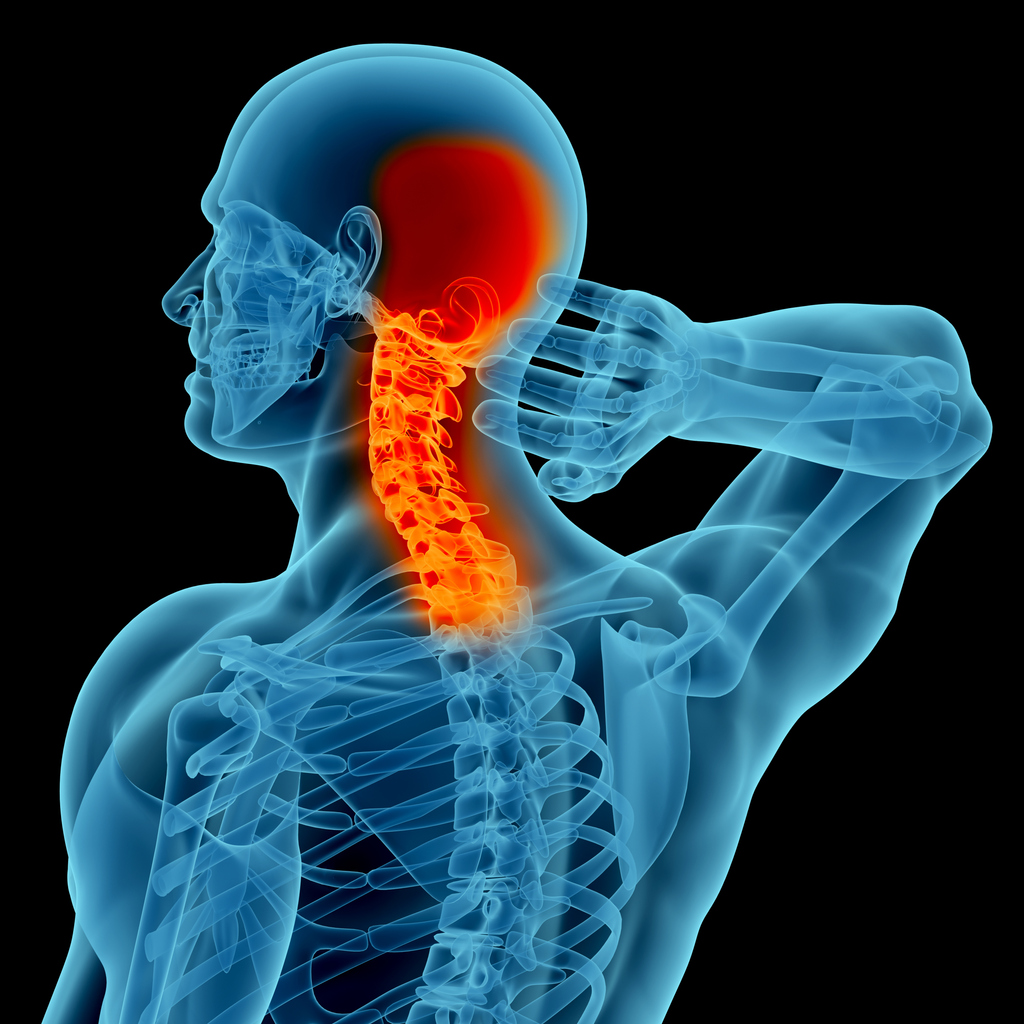
Neck injuries are almost always present after a car accident. Whiplash strains the ligaments, muscles, and joints in the neck, which often contribute to headaches, dizziness, and visual symptoms. Physical therapy plays a major role in restoring mobility, improving posture, reducing muscle spasm, and increasing stability in the cervical region. When necessary, collaboration with chiropractic providers focuses on mobility and alignment through controlled, patient centered approaches.

The Vestibular System

This system controls balance, orientation, and head movement. After a TBI, vestibular dysfunction can cause dizziness, nausea, vertigo, disequilibrium, and motion intolerance. Vestibular therapy retrains these pathways through gaze stabilization, habituation exercises, balance work, and motion sensitivity retraining.

The Visual and Oculomotor System

Convergence issues, tracking difficulties, blurred vision, and visual motion sensitivity are extremely common after concussion. Visual rehabilitation includes eye tracking drills, accommodation training, saccadic exercises, and functional tasks that retrain visual processing.

Cognitive Function

Attention, memory, processing speed, and executive function frequently decline after a TBI. Cognitive rehabilitation is essential for helping patients return to work, school, and daily responsibilities. Therapy includes memory strategies, attention training, task sequencing, dual task challenges, and customized cognitive drills.

The Autonomic Nervous System

Dysautonomia often develops after a TBI. Symptoms include rapid heart rate, temperature dysregulation, dizziness, exercise intolerance, and fatigue. Treatment may include graded exertion protocols, functional exercise, and autonomic retraining guided by clinical evaluation.

By integrating these systems, patients receive a clear path toward recovery instead of fragmented care.

Click Here to Schedule Your Appointment
concussion therapy kc

What Early Rehab Looks Like at Keystone Medical Group

Every patient receives a customized rehabilitation plan. While no two plans are identical, the following steps represent the framework we use for early intervention after a car accident.

Step 1: Comprehensive Medical Evaluation

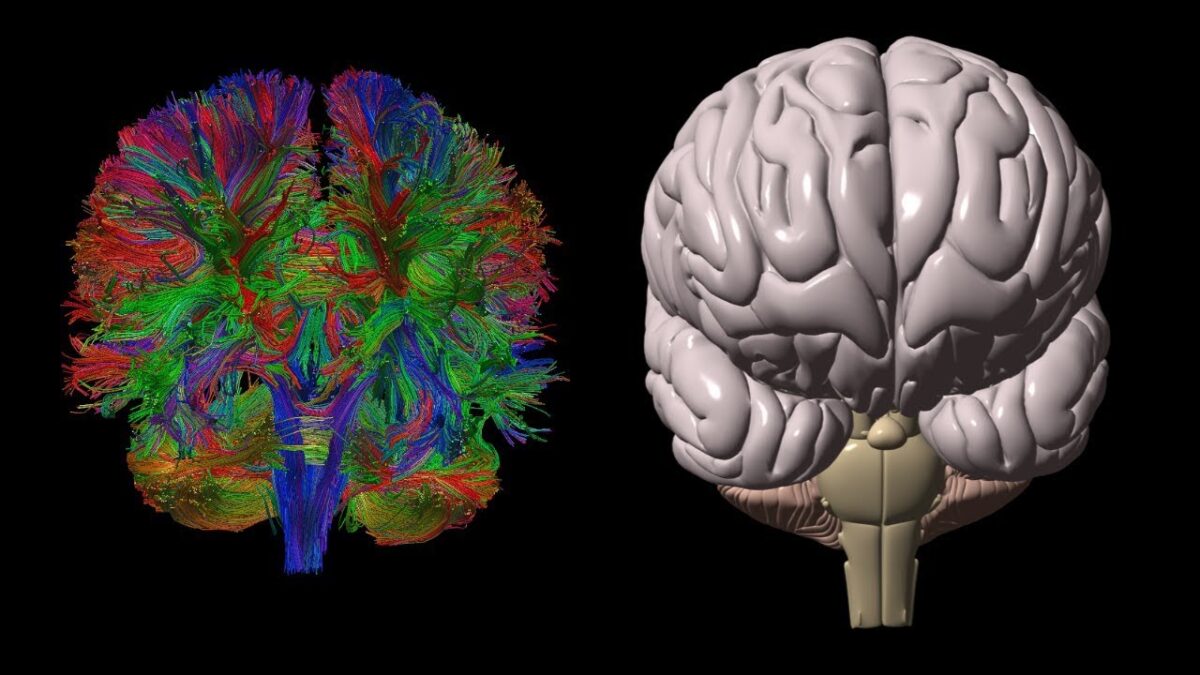
The first visit includes full history, neurological screening, cervical spine assessment, symptom evaluation, and functional testing. When necessary, imaging such as MRI or MRI with DTI may be ordered to assess deeper structural or functional changes.

Step 2: Identification of All Impaired Systems

Instead of focusing on one symptom, we evaluate every system affected by TBI. This includes vestibular testing, oculomotor screening, balance and gait evaluation, cervical assessment, autonomic screening, and cognitive function testing.

Step 3: Immediate Symptom Stabilization

The early phase involves reducing symptoms through targeted interventions that support the patient’s nervous system without triggering setbacks.

Step 4: Introduction of Targeted Rehabilitation

Once symptoms are stabilized, patients begin structured rehab sessions that address the specific systems involved. These may include vestibular therapy, visual rehab, physical therapy, cognitive training, balance work, and graded exertion.

Step 5: Ongoing Reassessment and Progression

Recovery is not linear. Regular follow up allows our providers to adjust plans based on the patient’s progress, work demands, and functional goals.

Step 6: Return to Life and Work Planning

Patients who live or work in busy environments like downtown Kansas City, Overland Park, or Lee’s Summit often experience symptom flare ups when returning to real world settings. We help patients reintegrate gradually by building tolerance and resilience.

How Early Rehab Helps Personal Injury Cases

Proper documentation matters in personal injury. Early rehab creates a clear record of injury, medical necessity, functional limitations, and response to treatment. This helps patients demonstrate the extent of their injuries when working with attorneys or insurance providers.

Here are the main advantages:

• Clear documentation of symptoms
• Identification of all impairments caused by the crash
• Ongoing functional assessments
• Justification for ongoing care, referrals, imaging, and rehabilitation
• A structured timeline that shows the patient followed medical advice

A delayed start creates gaps in the medical record that insurance companies often use to dispute claims.

When to Seek TBI Rehab After a Car Accident

Patients should seek evaluation immediately if they experience any of the following after a collision:

• Headache
• Dizziness or vertigo
• Confusion
• Difficulty concentrating
• Blurred or double vision
• Nausea or vomiting
• Fatigue
• Memory difficulty
• Emotional changes
• Sleep disruption
• Sensitivity to light or noise
• Neck pain

Even mild symptoms can indicate deeper dysfunction. The earlier the patient is evaluated, the more complete and predictable the recovery tends to be.

Why Kansas City Residents Choose Keystone Medical Group

Keystone Medical Group provides a full spectrum of TBI and personal injury rehabilitation for patients in Kansas City, Overland Park, Independence, North Kansas City, Lee’s Summit, Gladstone, and surrounding areas. Patients choose us because we offer coordinated care, faster access to evaluation, and detailed documentation that supports both medical recovery and personal injury claims.

Our goal is simple. Restore function. Improve quality of life. Help patients return to work and daily activities safely and efficiently.

Final Thoughts

Early rehabilitation after a traumatic brain injury is one of the most important factors influencing recovery. A car accident may feel overwhelming, but the right team can guide patients through every phase with clarity and confidence. The sooner the evaluation and treatment begin, the more predictable and complete the outcome becomes. Keystone Medical Group is here to support patients throughout the Kansas City region with evidence based, multidisciplinary care designed specifically for TBI and personal injury cases.


Disclaimer: This blog is for educational purposes only. It is not medical advice and should not be used to diagnose or treat any condition. Every patient and every injury is different. If you have symptoms after a car accident or traumatic brain injury, schedule an evaluation with a qualified medical provider. If this post discusses supplements, medications, exercises, or therapies, consult your doctor before starting anything new. Reading this blog or contacting our clinic does not create a patient provider relationship.

Section Title

Why Early TBI Rehabilitation Matters After a Car Accident in Kansas City

Why Early TBI Rehabilitation Matters After a Car Accident in Kansas City Traumatic brain injuries...

How Speech Therapy Helps Personal Injury Patients Recover From Traumatic Brain Injuries in Kansas City

How Speech Therapy Helps Personal Injury Patients Recover From Traumatic Brain Injuries in Kansas...

The Hidden Link: How Suboccipital Muscles Cause Headaches and Vision Problems After Concussion in Kansas City

The Hidden Link: How Suboccipital Muscles Cause Headaches and Vision Problems After Concussion in...

Harnessing the Power of Vagal Nerve Stimulation for Concussion Recovery in Kansas City

Harnessing the Power of Vagal Nerve Stimulation for Concussion Recovery in Kansas City Recovering...

Spinning Sensations After a Car Accident: Understanding BPPV and Dizziness in Kansas City

Why Spinning Sensations After a Car Accident Could Be BPPV: Understanding Post-Traumatic Vertigo in...

From Clinic to Daily Life: How Functional Exercise Transforms Concussion Recovery in Kansas City

From Clinic to Daily Life: How Functional Exercise Transforms Concussion Recovery in Kansas City...

How Negative Expectations Can Hold Back Concussion Recovery: Insights for Kansas City Patients

How Negative Expectations Can Hold Back Concussion Recovery: Insights for Kansas City Patients Many...

Brain Fog After Concussion: How Neuroinflammation Disrupts Recovery in Kansas City

Brain Fog After Concussion: How Neuroinflammation Disrupts Recovery in Kansas City Lingering brain...

How Speech Therapy Helps Personal Injury Patients Recover From Traumatic Brain Injuries in Kansas City

speech therapy overland park ks

How Speech Therapy Helps Personal Injury Patients Recover From Traumatic Brain Injuries in Kansas City

Traumatic brain injuries are among the most misunderstood and often underestimated conditions seen after car accidents, work injuries, and falls. Many patients across Kansas City and surrounding areas like Overland Park, Lees Summit, Independence, Raytown, Liberty, Shawnee, and North Kansas City experience ongoing problems with communication, memory, and cognitive processing long after the initial trauma. These symptoms can interfere with work, relationships, and basic daily tasks. Unfortunately, many individuals never receive the proper neurological rehabilitation they need because their symptoms are often invisible from the outside.

Speech therapy plays one of the most important roles in traumatic brain injury recovery. At Keystone Medical Group in Kansas City, our speech language pathology program focuses specifically on communication, cognition, and real life functional abilities. Treatment helps injury victims regain control of their thinking, memory, and daily communication so they can return to the life they had before their accident.

This article explains how speech therapy supports recovery after traumatic brain injuries, why these services are essential for personal injury patients, and what to expect during treatment at Keystone Medical Group.


Understanding How TBIs Affect Communication and Cognition

A traumatic brain injury is not limited to a blow to the head. TBIs can occur even without direct head impact. Whiplash forces, rotational acceleration, and rapid deceleration can all injure brain tissue. These forces are common in Kansas City car accidents and workplace injuries.

After a TBI, patients may experience several communication and cognitive symptoms including

  • Trouble understanding spoken or written language

  • Difficulty finding the right words

  • Slowed thinking or processing

  • Difficulty multitasking

  • Memory problems

  • Difficulty following conversations

  • Problems organizing thoughts

  • Decreased attention span

  • Changes in speech clarity

  • Difficulty with planning or problem solving

These symptoms can occur in mild, moderate, or severe TBIs. Even a concussion can disrupt important neural pathways responsible for attention, language, and executive functioning. When these pathways are affected, daily life becomes significantly more challenging.

Many patients describe feeling mentally foggy or disconnected. Others struggle at work because they cannot process information quickly or remember instructions. Family members sometimes notice personality changes or social difficulties because the patient has trouble interpreting cues or staying engaged in conversation.

These problems are common, but they are treatable. Speech therapy provides structured rehabilitation to help restore these essential skills.

car accident therapist kansas city

What Makes Speech Therapy Essential After a Brain Injury

Speech language pathologists are specialists in communication and cognitive functioning. After a TBI, they assess not only speech and language but also memory, attention, problem solving, reasoning, executive functioning, and swallowing when needed. This makes them essential providers in the personal injury recovery process.

Communication abilities are often affected more than patients realize

Many patients who come to Keystone Medical Group do not initially recognize the full extent of their communication deficits. They may know they are struggling at work or forgetting conversations, but they cannot pinpoint exactly why. Our detailed speech therapy evaluation identifies the cognitive and language domains most affected so we can create a targeted plan.

Cognitive deficits rarely improve on their own

Patients sometimes hope their cognitive issues will simply resolve with time. Although some healing occurs naturally, untreated deficits often remain for months or years. Early intervention with speech therapy can significantly reduce long term impairment.

Cognitive communication impacts work and legal cases

Personal injury patients often struggle with job performance, managing household tasks, and communicating their needs to attorneys, employers, and insurance adjusters. When cognitive and communication abilities are impaired, these responsibilities become overwhelming.

Speech therapy helps restore the mental functions that support independence, employment, and daily life.

Better outcomes occur with structured therapy

Brain injury recovery is not passive. Research shows that structured, repetitive, and targeted cognitive therapy promotes neuroplasticity. This means the brain develops new pathways that compensate for damaged areas. Speech therapy provides exactly that kind of structured rehabilitation.

The Most Common Cognitive and Communication Problems After TBI

Patients across Kansas City who come to Keystone Medical Group for speech therapy often share similar complaints, even when their injuries are very different.

Below are the most common problems we treat.

Word finding difficulties

Patients may know what they want to say but cannot retrieve the right words. This can lead to frustration, embarrassment, or avoidance of social conversations.

Reduced attention and concentration

Many individuals report feeling easily overwhelmed, especially in busy environments such as work, stores, or restaurants.

Slowed processing

Patients may need more time to absorb information, think through problems, or respond during conversations.

Memory problems

Short term and working memory are commonly affected. Patients may forget appointments, names, conversations, or instructions.

Difficulty following conversations

Rapid conversations or multiple speakers can overwhelm a healing brain.

Reduced organizational and planning abilities

This makes daily responsibilities harder, including managing finances, work duties, or household tasks.

Difficulty communicating at work

Many TBI patients feel nervous returning to work because they struggle with meetings, multitasking, and problem solving.

Social communication difficulties

Patients may misinterpret tone, miss social cues, or have trouble staying engaged in conversations.

All of these issues are appropriate for speech therapy. With proper treatment, most patients experience significant improvements.

concussion care kansas city
Click Here to Schedule Your Appointment

How Speech Therapy Works at Keystone Medical Group

Speech therapy at Keystone Medical Group is personalized, functional, and focused on real progress. Our goal is to restore communication and cognitive abilities needed for independence, confidence, and quality of life.

Step 1

Comprehensive Evaluation

Your evaluation includes

  • Language testing

  • Speech clarity assessments

  • Memory and attention tasks

  • Executive function testing

  • Functional communication assessment

  • Swallowing evaluation if needed

This gives us a full picture of how your injury has affected your daily abilities.

Step 2

Development of a Customized Treatment Plan

Based on the evaluation, your speech language pathologist designs a targeted plan that may include

  • Cognitive communication therapy

  • Memory strategies

  • Attention training

  • Language exercises

  • Real world functional tasks

  • Speech clarity training

  • Swallowing therapy when needed

The plan evolves as you progress so therapy remains effective and relevant.

Step 3

Functional Training for Daily Life

Therapy focuses on real tasks you encounter in everyday situations, including

  • Work responsibilities

  • Family communication

  • Social interaction

  • Scheduling and time management

  • Multistep tasks

  • Problem solving

  • Return to school or academic demands

The goal is to create measurable improvements that matter in real life.

Step 4

Collaboration With Other Providers

Our speech therapists coordinate with our medical team, physical therapy, mental health providers, and outside specialists when needed. This ensures that every part of your recovery is connected and supported.

Step 5

Supporting Personal Injury Documentation

Speech therapy records such as evaluation results, progress notes, treatment plans, and functional assessments can play an important role in personal injury and workers compensation claims. Our team provides clear documentation and communication when appropriate to support your legal and medical needs.

Real Life Outcomes Patients Experience After Speech Therapy

Patients across Kansas City and the surrounding areas often experience significant improvements after consistent speech therapy at Keystone Medical Group. Common outcomes include

  • Faster processing and improved attention

  • Better ability to communicate at work

  • Reduced frustration when speaking

  • Improved memory for daily tasks

  • Clearer and more organized communication

  • Increased independence

  • Better ability to manage stress in social situations

  • More confidence navigating conversations or multitasking

  • Improved relationships due to clearer communication

These improvements often translate into stronger job performance, smoother daily functioning, and a higher quality of life.

Speech Therapy and Return to Work After a Brain Injury

Many patients worry about returning to work and whether they will be able to perform at the same level as before. Speech therapy helps prepare patients by targeting skills such as

  • Processing speed

  • Task switching

  • Organization

  • Verbal communication

  • Memory for instructions

  • Problem solving

  • Documentation and writing tasks

  • Handling busy or noisy environments

Our therapy also includes simulated work tasks such as reading emails, managing schedules, and completing timed assignments to ensure patients are ready for the demands of their job.

Why Kansas City Patients Choose Keystone Medical Group

Patients choose Keystone Medical Group because our approach combines medical knowledge, rehabilitation expertise, and a patient centered model. Individuals recovering from TBIs and personal injuries appreciate that we provide

  • A multidisciplinary medical team

  • A dedicated TBI therapy program

  • Patient friendly scheduling

  • Thorough evaluations

  • Personalized treatment plans

  • Functional outcome based therapy

  • Support for personal injury documentation

  • Expertise in concussion and brain injury care

We proudly serve patients across Kansas City, Lees Summit, Overland Park, North Kansas City, Liberty, Raytown, Shawnee, Belton, Blue Springs, and surrounding areas.

When to Seek Speech Therapy After an Injury

If you notice any of the following symptoms after an accident or injury, you should schedule a speech therapy evaluation

  • Difficulty concentrating

  • Trouble remembering new information

  • Slower thinking

  • Trouble finding the right words

  • Problems following conversations

  • Difficulty expressing ideas

  • Trouble managing daily responsibilities

  • Difficulty understanding instructions

  • Slurred or unclear speech

  • Swallowing problems while eating

Even mild symptoms can be a sign of deeper cognitive disruption.

Schedule an Evaluation Today

If you or a loved one is recovering from a traumatic brain injury or personal injury and experiencing communication or cognitive difficulties, the speech therapy team at Keystone Medical Group can help.

Call Keystone Medical Group at 816 705 2842 to schedule your appointment.

Section Title

Why Early TBI Rehabilitation Matters After a Car Accident in Kansas City

Why Early TBI Rehabilitation Matters After a Car Accident in Kansas City Traumatic brain injuries...

How Speech Therapy Helps Personal Injury Patients Recover From Traumatic Brain Injuries in Kansas City

How Speech Therapy Helps Personal Injury Patients Recover From Traumatic Brain Injuries in Kansas...

The Hidden Link: How Suboccipital Muscles Cause Headaches and Vision Problems After Concussion in Kansas City

The Hidden Link: How Suboccipital Muscles Cause Headaches and Vision Problems After Concussion in...

Harnessing the Power of Vagal Nerve Stimulation for Concussion Recovery in Kansas City

Harnessing the Power of Vagal Nerve Stimulation for Concussion Recovery in Kansas City Recovering...

Spinning Sensations After a Car Accident: Understanding BPPV and Dizziness in Kansas City

Why Spinning Sensations After a Car Accident Could Be BPPV: Understanding Post-Traumatic Vertigo in...

From Clinic to Daily Life: How Functional Exercise Transforms Concussion Recovery in Kansas City

From Clinic to Daily Life: How Functional Exercise Transforms Concussion Recovery in Kansas City...

How Negative Expectations Can Hold Back Concussion Recovery: Insights for Kansas City Patients

How Negative Expectations Can Hold Back Concussion Recovery: Insights for Kansas City Patients Many...

Brain Fog After Concussion: How Neuroinflammation Disrupts Recovery in Kansas City

Brain Fog After Concussion: How Neuroinflammation Disrupts Recovery in Kansas City Lingering brain...