Keystone Medical Group

Three Systems That Hold the Key to Concussion Recovery in Kansas City

concussion clinic olathe ks

Three Systems That Hold the Key to Concussion Recovery in Kansas City

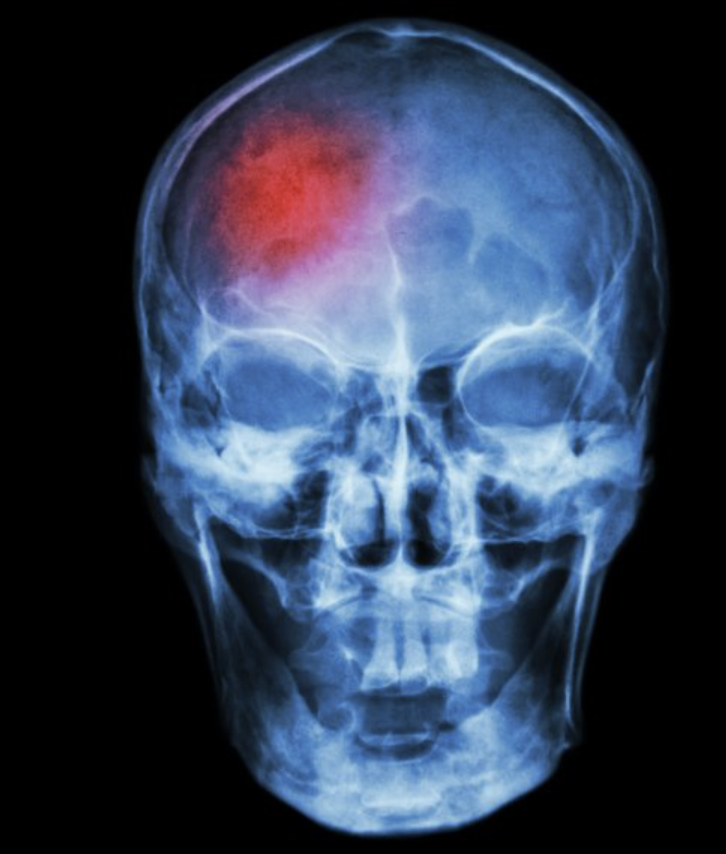
Concussion symptoms that linger after a car accident can be frustrating and confusing for Kansas City residents. Many expect rest to be enough, only to find that headaches, dizziness, or vision problems persist. The truth is, successful concussion rehabilitation depends on a thorough evaluation of three interconnected systems: the neck, the balance system, and the eyes.

Why Your Neck Matters More Than You Think

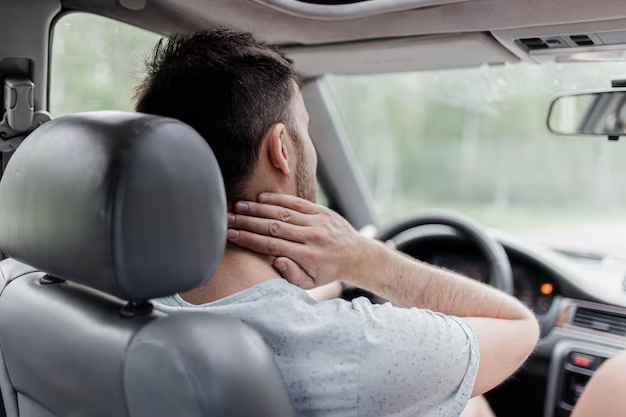
Neck injuries often accompany head trauma, especially in vehicle collisions. When the cervical spine is affected, it can trigger:

  • Muscle tension and discomfort
  • Restricted movement in the neck joints
  • Nerve irritation that radiates pain to the head or face
  • Instability that amplifies dizziness, headaches, or vision changes

Addressing neck function is essential. If left untreated, even minor issues in the cervical spine can prolong concussion symptoms and make recovery feel out of reach.

The Balance System: Restoring Confidence in Motion

The vestibular system, located deep in the inner ear, helps you maintain balance and interpret movement. After a concussion, people often notice:

  • Feeling unsteady or off-balance
  • Sensitivity to busy environments or quick movements
  • Nausea when turning the head or shifting gaze
  • Difficulty tolerating everyday motion, like riding in a car or walking in crowds

Targeted vestibular therapy helps retrain the brain to process movement signals accurately, reducing dizziness and making daily activities less overwhelming.

Eye Coordination: The Overlooked Piece of the Puzzle

Vision problems are common after concussions, yet many go undiagnosed. Disrupted eye movements can cause:

  • Blurred or double vision
  • Trouble reading or focusing on objects
  • Fatigue after using screens
  • Difficulty tracking moving items
  • Headaches that intensify with visual tasks

Therapies for the oculomotor system include exercises to improve eye tracking, focus, and coordination with head movements. This is vital for anyone returning to work, school, or tasks that demand clear vision.

tbi after a car accident kansas city

Integrated Rehab: Why All Systems Must Work Together

These three systems—neck, balance, and vision—are tightly linked. Neck stiffness can send faulty signals to your balance system. Poor eye tracking can make you feel unsteady. Lingering dizziness keeps the nervous system on high alert, slowing recovery.

Kansas City concussion experts, including David Buechner, MD and Managing Director Lance Stevenson at Keystone Medical Group, recommend a rehab plan that assesses and treats all three areas. This approach helps patients regain control, comfort, and confidence as they return to their routines.

Practical Advice for Recovery

If you’re recovering from a concussion, keep a daily log of your symptoms, triggers, and progress. This record can help your provider tailor your treatment and, if your injury is related to a car accident, may be helpful for insurance or legal documentation.

Moving Forward in Kansas City

Concussion rehabilitation is more than just rest—it’s a coordinated effort to restore neck function, balance, and visual clarity. With the right support, persistent symptoms can improve and life can get back on track.

Disclaimer

This blog is for informational purposes only and does not replace medical advice, diagnosis, or treatment. If you’ve experienced a concussion or injury, consult a qualified healthcare provider.

References

Comprehensive Concussion Management in Kansas City

We provide a comprehensive concussion management program in Kansas City, addressing every stage of care from evaluation to therapy. Our approach begins with thorough assessments, including balance testing, oculomotor and vestibular evaluations, CNS Vital Signs neurocognitive testing, and advanced DTI imaging. With years of experience in concussion care, our multidisciplinary team combines cognitive rehabilitation, physical therapy, and mental health support to create a detailed understanding of each patient’s condition and needs.

Targeted therapies are tailored to address the wide range of concussion symptoms. From cognitive rehabilitation and balance training to oculomotor therapy and mental health interventions, every treatment is designed to support recovery and long-term well-being. Our experienced providers help patients across Kansas City, Overland Park, Lee’s Summit, and surrounding areas achieve safer, faster, and more complete recoveries.

Section Title

Why Complete Rest Can Slow Concussion Recovery in Kansas City

Why Prolonged Inactivity Can Delay Concussion Recovery in Kansas City Many patients are told that...

Box Breathing: A Simple Tool to Calm Your Nervous System After Concussion

Box Breathing: A Simple Tool to Calm Your Nervous System After Concussion Recovering from a...

Returning to Driving After a Concussion: A Kansas City Safety Guide

Returning to Driving After a Concussion: A Kansas City Safety Guide Getting back behind the wheel...

Mental Health Therapy for Personal Injury Recovery in Kansas City

Mental Health Therapy for Personal Injury Recovery in Kansas City Recovering from a personal injury...

Neurocognitive Assessment with CNS Vital Signs – Kansas City Concussion Diagnostics

Neurocognitive Assessment with CNS Vital Signs – Kansas City Concussion Diagnostics Recovering from...

Balance Assessment for Concussion Recovery in Kansas City

Balance Assessment for Concussion Recovery in Kansas City After a concussion, many patients...

The Role of Optimism and Resilience in Concussion Recovery: Mindset as Medicine for Kansas City Patients

The Role of Optimism and Resilience in Concussion Recovery: Mindset as Medicine for Kansas City...

Diffusion Tensor Imaging (DTI) and Shearing Injuries After Concussion in Kansas City

Diffusion Tensor Imaging (DTI) and Shearing Injuries After Concussion in Kansas City Concussions and...

Speech Therapy After Brain Injury – Kansas City Recovery and Rehabilitation

Speech Therapy After Brain Injury – Kansas City Recovery and Rehabilitation Recovering from a brain...

Beyond Physical Pain: Managing the Emotional Toll of a Personal Injury

mental health therapy kansas city lien

Beyond Physical Pain: Managing the Emotional Toll of a Personal Injury

Key Takeaways

  • The emotional and psychological impact of a personal injury is just as real as the physical pain.

  • Emotional distress can manifest as anxiety, depression, anger, and stress, which can slow down physical recovery.

  • Keystone Medical Group offers specialized, compassionate Mental Health Therapy in Kansas City to help you heal from the inside out.

  • Addressing your mental health is a crucial step towards a complete and faster recovery.

When a car accident or a fall leaves you with a physical injury, the initial focus is almost always on the visible wounds: broken bones, whiplash, or chronic pain. But what about the scars you can’t see? The emotional toll of a personal injury is a silent and often underestimated burden that can significantly impact your recovery. At Keystone Medical Group, we are experts in addressing the full spectrum of injury, and we know that true healing involves caring for both the mind and the body. Our specialized services are designed to help you manage the emotional aftermath of an injury, empowering you to reclaim your life.

The Hidden Symptoms of Emotional Distress

The trauma of an accident can trigger a range of psychological and emotional responses that are not always immediately obvious. These “hidden symptoms” can affect your daily life long after your physical injuries have started to heal. Recognizing them is the first step toward getting the right help.

Common Emotional Responses to Injury:

  1. Anxiety: It’s natural to feel anxious after an accident, but when this anxiety becomes persistent and overwhelming, it can be a significant barrier to recovery. You might experience a heightened sense of fear, panic attacks, or worry about future accidents. This can lead to fear-avoidance behaviors, where you avoid activities or situations that remind you of the event.

  2. Depression: The physical limitations, financial stress, and disruption to your daily routine can lead to feelings of hopelessness and sadness. You might lose interest in hobbies you once enjoyed, feel isolated from friends and family, or experience changes in sleep and appetite.

  3. Irritability and Anger: Feelings of frustration and anger are common. You may feel angry at the person who caused the accident, at your physical limitations, or at the medical and legal processes. This anger can strain your relationships and make it difficult to focus on healing.

  4. Post-Traumatic Stress Symptoms: For many, an accident is a traumatic event. You may experience intrusive thoughts, nightmares, or flashbacks of the event. Loud noises, sirens, or even getting back into a car can become powerful triggers, causing a rapid increase in your heart rate and a sense of panic.

The Connection Between Mind and Body in Recovery

The emotional and physical aspects of recovery are not separate; they are deeply interconnected. When you are in a state of emotional distress, your body releases stress hormones like cortisol. Prolonged exposure to these hormones can:

  • Increase inflammation, which can worsen pain and delay healing.

  • Suppress the immune system, making you more susceptible to illness.

  • Interfere with sleep, a critical process for physical and mental restoration.

  • Raise your pain sensitivity, making every ache and discomfort feel more intense.

This is why a holistic approach is so vital. By providing integrated care that addresses both the physical and emotional components of your injury, we help you break the cycle of pain and stress. Our multidisciplinary team works together to ensure that every aspect of your recovery is supported, leading to a faster and more complete return to your normal life.

The Keystone Medical Group Approach

At Keystone Medical Group, we understand that your emotional well-being is a key component of your recovery plan. Our Mental Health Therapy in Kansas City services are specifically tailored for individuals recovering from personal injuries. Our licensed therapists provide a safe and supportive environment to help you process your experiences and develop healthy coping mechanisms.

Our approach includes:

  • Trauma-Informed Care: We recognize that an accident can be a traumatic event and we provide care that is sensitive to your emotional state. To learn more about the psychological impact of trauma, you can review resources from the American Psychological Association.

  • Cognitive Behavioral Therapy (CBT): This helps you identify and challenge the negative thought patterns that contribute to anxiety and depression.

  • Coping Strategies: We equip you with practical tools for managing stress, improving sleep, and regulating your emotions.

We also ensure seamless collaboration with our other services. For example, our mental health therapists work closely with our physical therapy team to address fear-avoidance behaviors that may be preventing you from participating in your physical rehabilitation exercises. This integrated care model ensures you receive a cohesive, personalized treatment plan.

Frequently Asked Questions (FAQs)

Q: Do I really need therapy for a physical injury? A: Yes. A personal injury is not just a physical event; it’s a life-altering experience. Many people find that addressing the emotional and psychological impact is the missing piece of their recovery puzzle.

Q: How can therapy help my physical pain? A: Mental health therapy can help you manage stress, reduce anxiety, and improve sleep. These changes can directly lower your pain sensitivity and support your body’s natural healing processes.

Q: What is fear-avoidance behavior? A: Fear-avoidance behavior is when you avoid activities out of fear of re-injury. For example, if you were in a car accident, you might develop a fear of driving. This can severely limit your quality of life.

Q: How do you treat emotional issues from a TBI? A: We use a combination of therapy modalities to address emotional issues from a TBI, including psychoeducation to help you understand your symptoms, and specialized therapy like CBT to help you cope. Our approach is integrated with our broader concussion management program to treat the whole person.

Begin Your Emotional Recovery Today

Don’t let the emotional weight of your injury hold you back. At Keystone Medical Group, we are committed to helping you heal, both physically and emotionally. Our expert team is ready to provide the compassionate, integrated care you need. You may also want to consider a top-tier professional like a chiropractor. Contact us today to schedule a consultation and take the first step toward a complete recovery.

The Gut-Brain Axis: A New Frontier in Concussion Recovery

concussion specialist kansas city

The Gut-Brain Axis: A New Frontier in Concussion Recovery

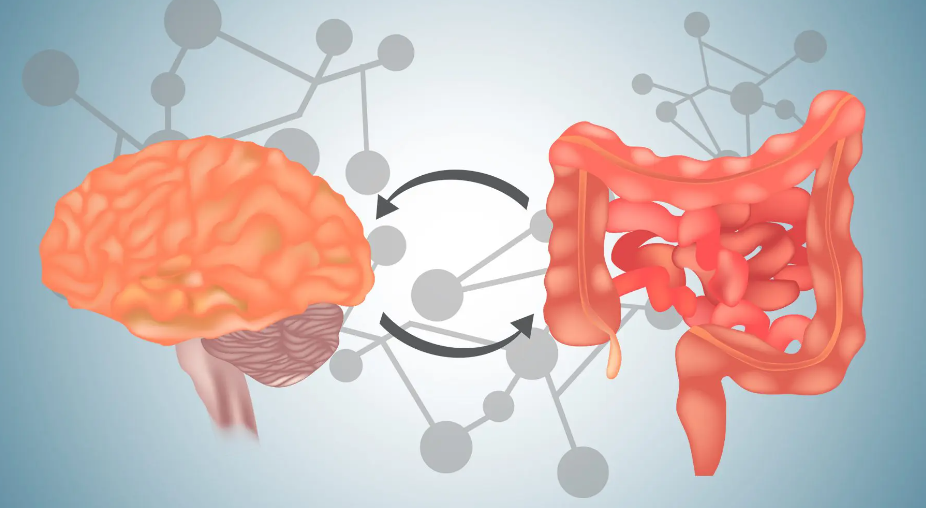
If you’re still experiencing symptoms like brain fog, fatigue, mood changes, or stomach issues long after a concussion, you may be missing a critical piece of the recovery puzzle: the gut-brain axis. For many years, the standard approach to concussion care focused on the brain and physical symptoms. However, a growing body of research shows that the gut is inextricably linked to brain health.

At Keystone Medical Group, a leading concussion clinic in Kansas City, our integrated approach recognizes this connection. We believe that to achieve a full recovery, you must address the complex, bidirectional communication between your gut and your brain. If you are searching for a concussion specialist in Kansas City or a concussion doctor near me, you have come to the right place.

What is the Gut-Brain Axis?

The gut-brain axis is a two-way communication network that connects your central nervous system (brain and spinal cord) to your enteric nervous system (the “second brain” in your gut). This constant dialogue is facilitated by:

  • The Vagus Nerve: A superhighway of nerve fibers that sends signals back and forth between your brain and gut.

  • Neurotransmitters: Many key neurotransmitters, including a significant amount of the body’s serotonin, are produced and stored in the gut.

  • The Gut Microbiome: The trillions of microorganisms that live in your digestive tract. They play a vital role in producing chemicals that influence brain function, mood, and inflammation.

When this system is working correctly, it maintains a state of balance. But a concussion can throw this delicate network into chaos.

How Concussions Disrupt the Gut-Brain Connection

A traumatic brain injury, even a mild one like a concussion, triggers a widespread inflammatory response. This inflammation isn’t confined to the brain; it can cause changes throughout the body, including the gut. This can lead to a state of dysbiosis, an imbalance in the gut microbiome.

This imbalance can create a negative feedback loop:

  1. Increased Inflammation: Inflammation in the gut can create a “leaky gut” (increased intestinal permeability), allowing toxins and inflammatory molecules to leak into the bloodstream.

  2. Disrupted Communication: These inflammatory molecules can cross the blood-brain barrier and worsen neuroinflammation in the brain, which can intensify symptoms like brain fog, headaches, and fatigue.

  3. Altered Neurotransmitters: Dysbiosis can impair the production of essential neurotransmitters, contributing to common post-concussion symptoms like anxiety, depression, and mood swings.

This is why many people who suffer a concussion find themselves grappling with a range of frustrating symptoms that don’t seem to make sense, from digestive issues and food sensitivities to chronic fatigue and emotional lability.

Our Comprehensive Approach to Healing the Whole Person

At Keystone Medical Group, we don’t just treat the symptoms—we find and address the underlying drivers of your condition. Our CORE Program is designed to restore balance to your entire system, including the gut-brain axis.

While we are not gastrointestinal specialists, our holistic approach provides the tools to help heal this vital connection. Through therapies like:

  • Autonomic Nervous System Regulation: By calming a nervous system that is in a state of high alert, we can directly influence the vagus nerve and reduce the stress response that exacerbates gut-brain dysfunction.

  • Targeted Nutrition and Supplementation: We provide guidance on a diet that reduces inflammation and supports a healthy microbiome.

  • Cognitive and Mental Health Support: By addressing the mental health component of your recovery, we help manage the stress, anxiety, and depression that can further disrupt this crucial connection.

By taking a comprehensive, functional approach to your care, our team can help you break the cycle of chronic symptoms and restore the healthy communication between your gut and your brain. This integrated method is what makes us a leading concussion clinic in Lee’s Summit, MO, and a trusted concussion doctor in Overland Park.

For more information on the link between concussions and the gut microbiome, read this article from a leading medical institution: What the Gut Microbiome Can Tell Us About Concussions.