

Harnessing the Power of Vagal Nerve Stimulation for Concussion Recovery in Kansas City
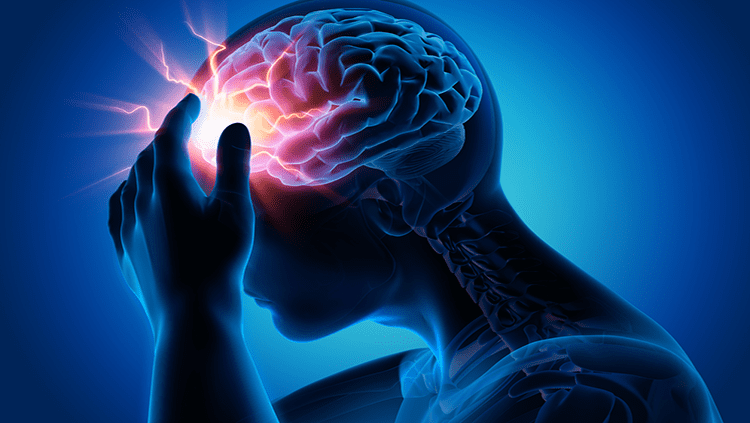
Recovering from a concussion is often more complex than simply waiting for symptoms to fade. Kansas City patients who have experienced head trauma, especially after car accidents, are increasingly seeking natural options to support healing. One promising tool is vagal nerve stimulation, which can help regulate the nervous system and promote recovery.
What Is the Vagus Nerve and Why Is It Important After Brain Injury?
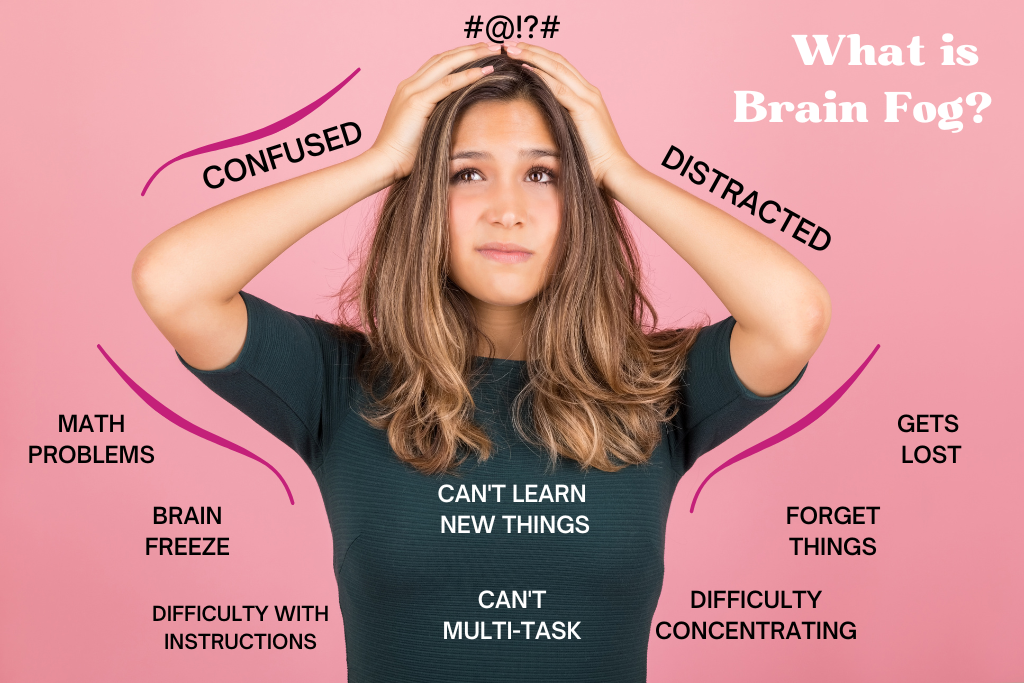
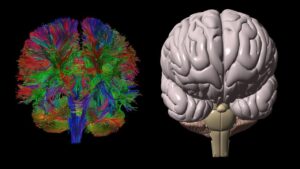
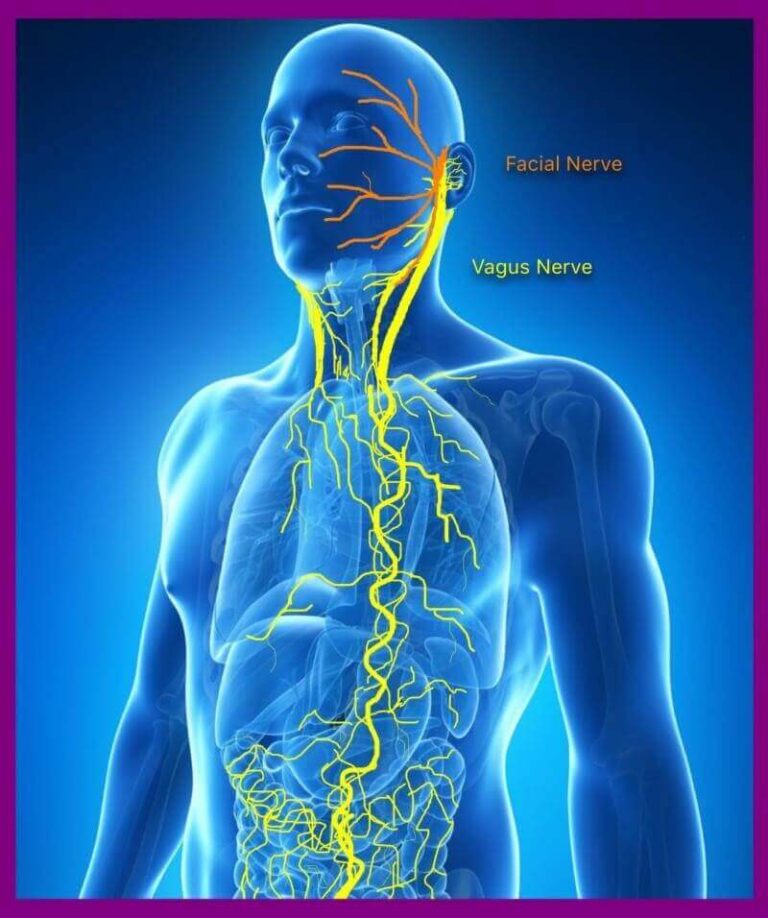
The vagus nerve is the body’s longest cranial nerve and serves as a major pathway between the brain and many organs. It helps regulate heart rate, breathing, digestion, and inflammation. After a concussion, many people develop dysautonomia, a disruption in the balance between the body’s stress response and relaxation systems. This imbalance may lead to headaches, dizziness, anxiety, brain fog, fatigue, poor sleep, and digestive changes.
By encouraging the vagus nerve to activate the parasympathetic nervous system, patients can support a state of calm and restoration. This shift is essential for healing, as it allows the body to repair and recover more efficiently.
Natural Ways to Stimulate the Vagus Nerve During Concussion Recovery
David Buechner, MD and Managing Director Lance Stevenson recommend integrating simple vagal nerve stimulation techniques into concussion rehabilitation. These exercises are safe, accessible, and can be practiced at home with minimal equipment.
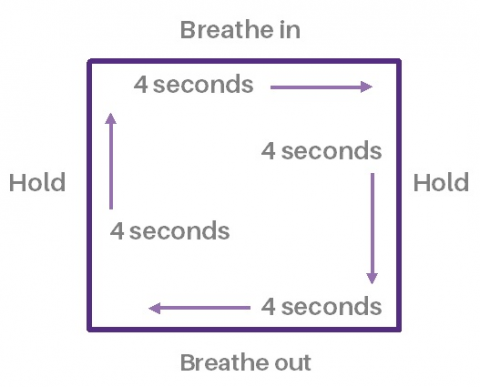
Deep belly breathing is one of the most effective methods. By inhaling slowly through the nose and allowing the abdomen to expand, then exhaling gently through pursed lips, patients can help lower stress and improve vagal tone. Practicing this for several minutes each day can make a noticeable difference.
Humming or singing also engages the vagus nerve through the vocal cords. Soft chanting or humming a favorite tune can help calm the nervous system and improve mood.
Gargling with water stimulates the back of the throat, which is connected to vagal pathways. A brief session of gargling once or twice daily can support nervous system balance.
Cold exposure to the face, such as splashing cold water or using a cool compress, triggers a vagus-mediated reflex that reduces stress and inflammation.
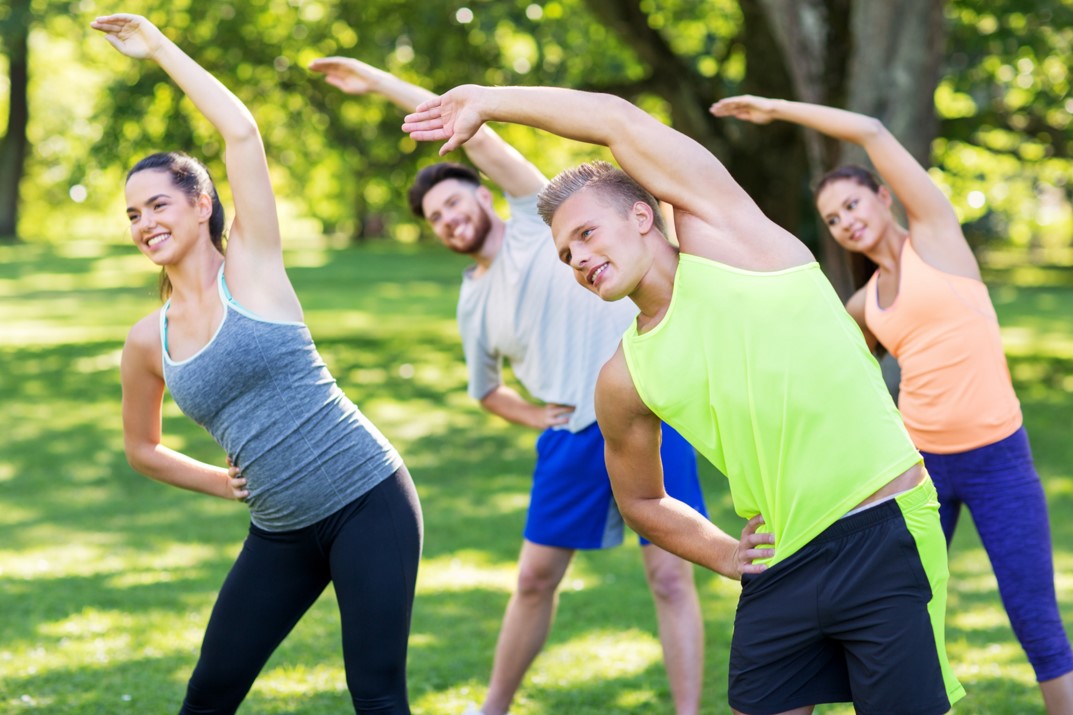
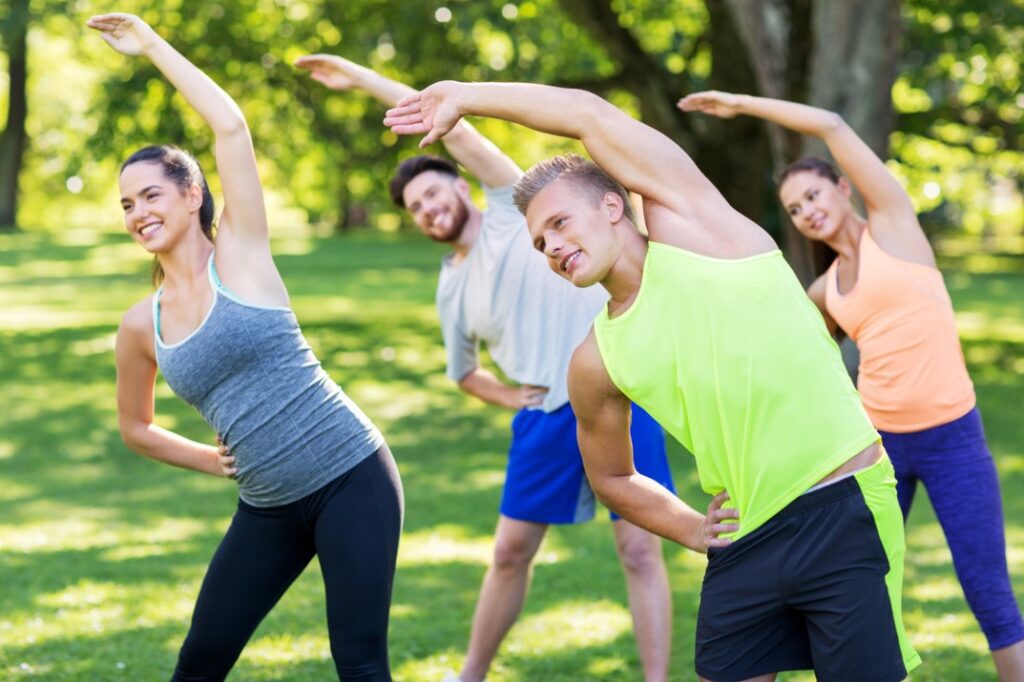
Gentle movement paired with mindful breathing, such as yoga, tai chi, or slow walking, helps regulate the nervous system without overexerting the brain during early recovery.
Why Vagal Nerve Stimulation Matters for Kansas City Concussion Patients
Persistent symptoms after concussion can be frustrating and disruptive. Whether you live in Overland Park, Liberty, Lee’s Summit, or anywhere in the Kansas City area, vagal nerve exercises offer a safe and natural way to support healing. These techniques can be especially helpful for managing stress, improving sleep, and reducing inflammation.
Patients who include regular vagal stimulation in their recovery routines often report better mood and improved resilience to daily challenges. If you experience ongoing headaches, dizziness, or emotional changes after a head injury, these strategies may be a valuable addition to your care plan.
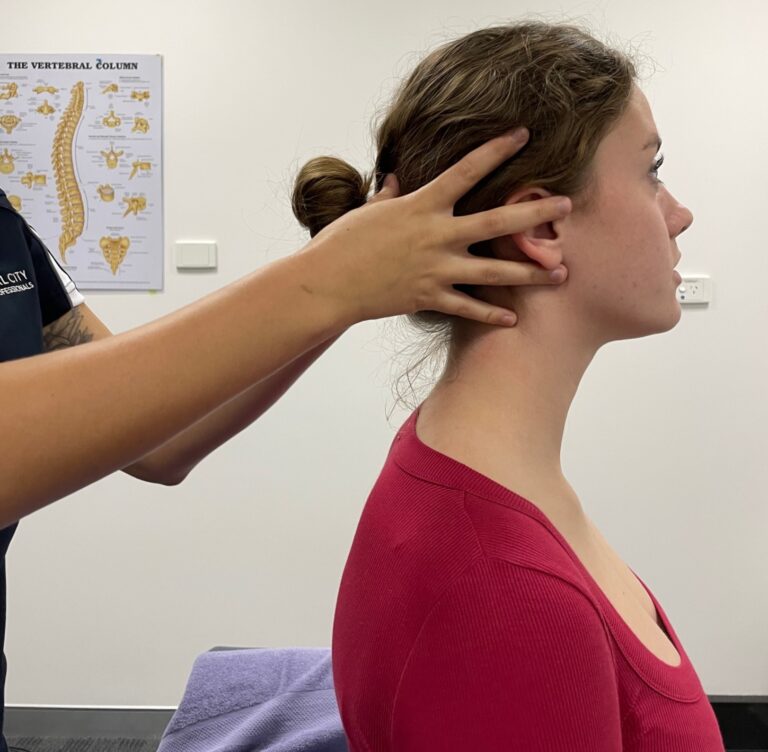
A tip from concussion rehabilitation experts is to combine vagal nerve exercises with gentle neck stretches and regular hydration for optimal results.
If you are struggling with persistent symptoms after a concussion or car accident, do not wait for improvement to happen on its own. Natural tools like vagal nerve stimulation, combined with expert guidance, can help you regain comfort and confidence.
Disclaimer
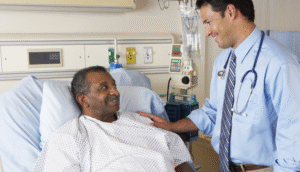
This blog is for educational purposes only and does not replace medical advice. If you have experienced a concussion or other injury, please consult a qualified healthcare provider.
References
Complete Concussions
Lance Stevenson, DC
TBI Therapy