Why Early Rehab Makes the Greatest Impact
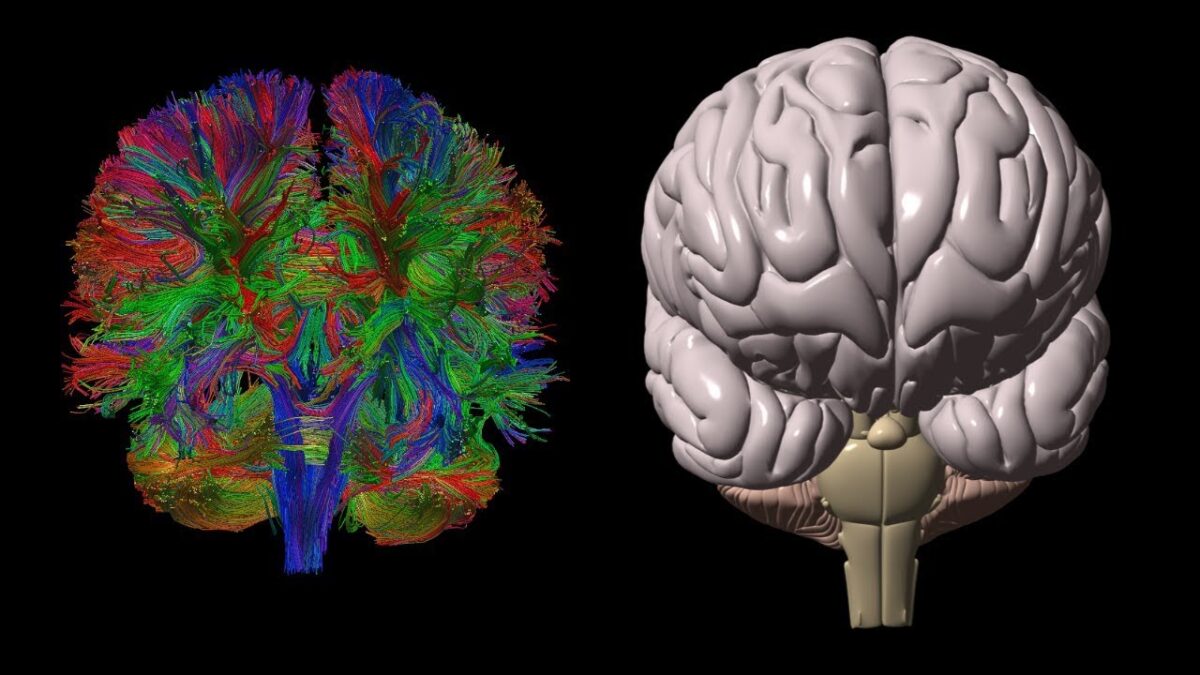
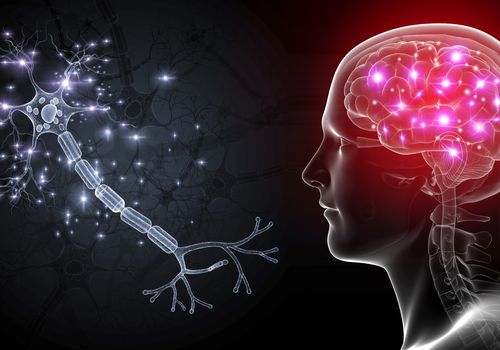
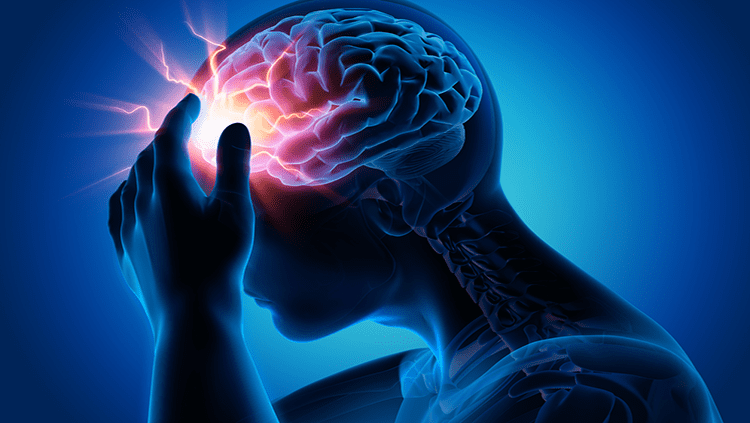
Traumatic brain injury recovery happens through neuroplasticity, which is the brain’s ability to reorganize and create new connections. The sooner the rehabilitation process begins, the more effectively the brain adapts. Early rehab takes advantage of this window of opportunity.
Here are the main reasons starting rehab early after a car accident leads to better outcomes:
The Brain Learns Better in the Early Phase
Within the first days and weeks after injury, the brain is in a heightened plasticity state. Proper stimulation during this period can speed up healing. This is why vestibular therapy, visual rehab, cognitive training, balance exercises, and targeted physical therapy are part of early intervention at Keystone Medical Group.
Early Rehab Prevents Compensations
When patients wait too long, their body and brain develop workarounds. For example, a patient with dizziness may avoid turning their head. A patient with convergence difficulty may reduce reading or screen time. Someone with cognitive fatigue may withdraw from work responsibilities. These compensations introduce secondary problems that prolong symptoms. Early rehab stops these patterns from developing.
Early Rehab Reduces the Risk of Persistent Post-Concussion Syndrome
Many people recover from a concussion within a few weeks. Those who do not often fall into persistent post concussion syndrome, where symptoms last longer than 3 months. Early structured treatment reduces this risk significantly.
The Sooner You Start, the Faster You Get Back to Work and Daily Life
Patients who begin their rehab plan early often regain endurance, concentration, and emotional stability all while experiencing faster reduction in headaches, dizziness, and sleep problems.
What Happens When Concussion Rehab Is Delayed
Delayed intervention can lead to long term consequences. We see this frequently in Kansas City after auto accidents because many people avoid seeking care until the symptoms become overwhelming.
Here are the most common outcomes of delayed rehab:
Persistent Symptoms That Could Have Resolved Sooner
Untreated vestibular dysfunction, oculomotor issues, and neck injuries contribute to ongoing headaches, vertigo, and cognitive fog. These are highly treatable when addressed early.
Increased Sensitivity to Light, Noise, and Motion
The brain becomes more reactive when the sensory systems remain unaddressed. Delayed care makes treatment more complex.
Emotional and Behavioral Changes
Anxiety, irritability, depression, and emotional lability become more difficult to manage when the injury has been present for months.
Sleep Disturbances
Poor sleep slows down all other healing processes. Delayed care often means patients have been dealing with disrupted sleep patterns for far too long.
Difficulty Returning to Work
Patients who wait months before receiving structured treatment often struggle with productivity, multitasking, concentration, and tolerance for busy environments. Early rehab helps resolve these issues before they become major obstacles.
Why TBI Requires a Multidisciplinary Team
There is no single treatment that fixes a concussion. TBI affects multiple systems that interact with one another. This is why Keystone Medical Group has built a collaborative model involving medical providers, physical therapists, rehabilitation specialists, and coordinated referrals when needed.
A multidisciplinary approach ensures that each system involved in a concussion is evaluated and treated properly.
The Cervical Spine
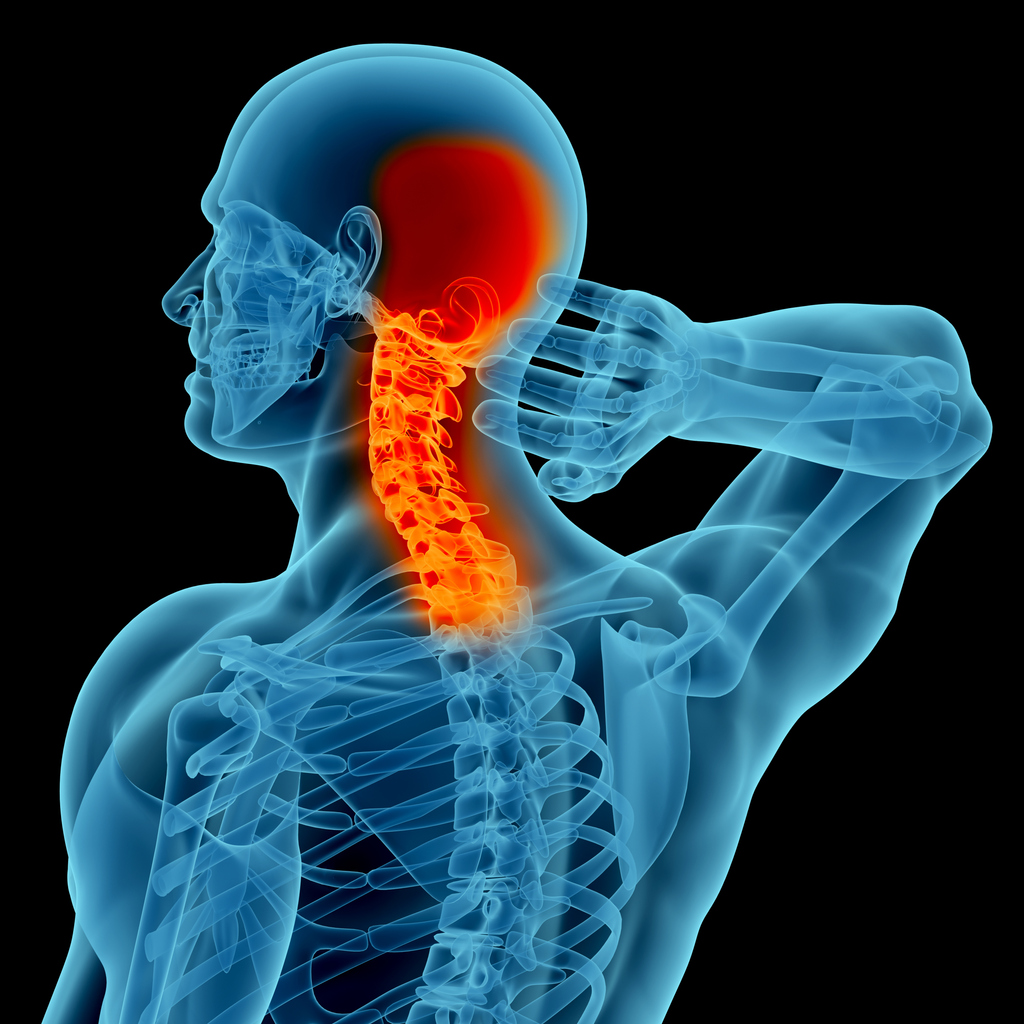
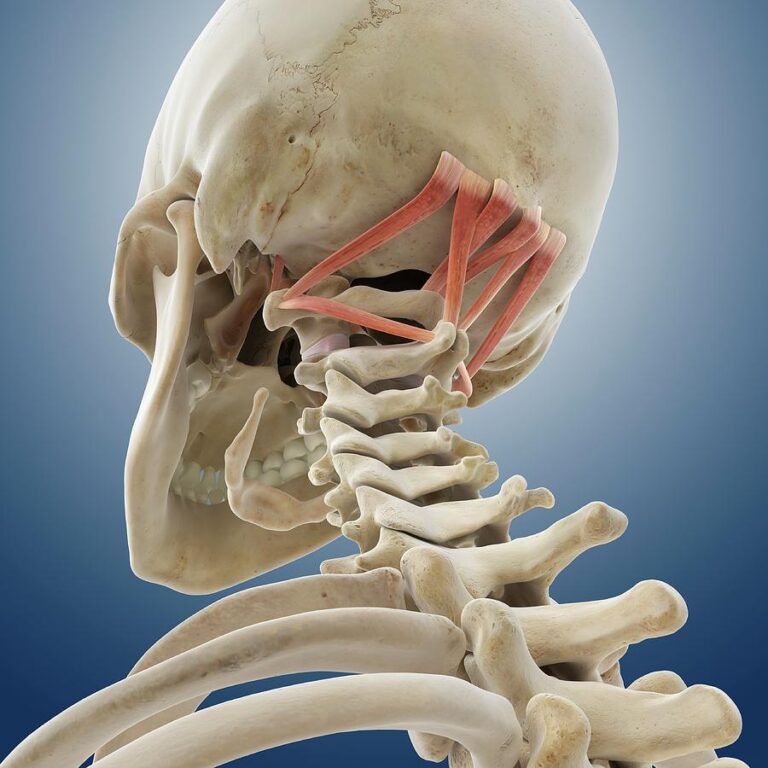
Neck injuries are almost always present after a car accident. Whiplash strains the ligaments, muscles, and joints in the neck, which often contribute to headaches, dizziness, and visual symptoms. Physical therapy plays a major role in restoring mobility, improving posture, reducing muscle spasm, and increasing stability in the cervical region. When necessary, collaboration with chiropractic providers focuses on mobility and alignment through controlled, patient centered approaches.
The Vestibular System
This system controls balance, orientation, and head movement. After a TBI, vestibular dysfunction can cause dizziness, nausea, vertigo, disequilibrium, and motion intolerance. Vestibular therapy retrains these pathways through gaze stabilization, habituation exercises, balance work, and motion sensitivity retraining.
The Visual and Oculomotor System
Convergence issues, tracking difficulties, blurred vision, and visual motion sensitivity are extremely common after concussion. Visual rehabilitation includes eye tracking drills, accommodation training, saccadic exercises, and functional tasks that retrain visual processing.
Cognitive Function
Attention, memory, processing speed, and executive function frequently decline after a TBI. Cognitive rehabilitation is essential for helping patients return to work, school, and daily responsibilities. Therapy includes memory strategies, attention training, task sequencing, dual task challenges, and customized cognitive drills.
The Autonomic Nervous System
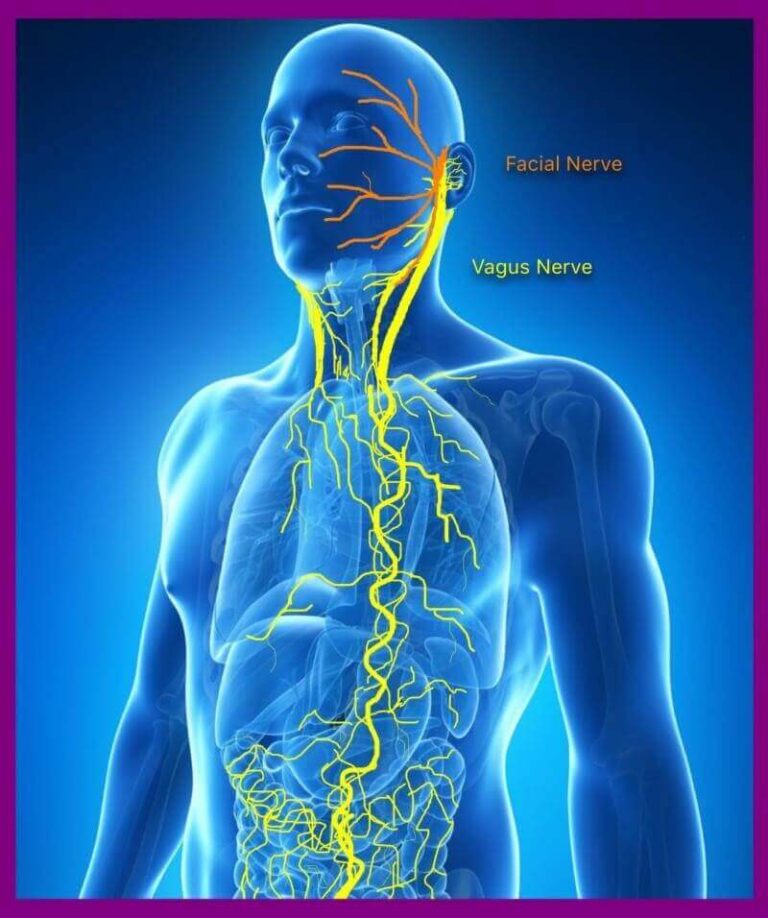
Dysautonomia often develops after a TBI. Symptoms include rapid heart rate, temperature dysregulation, dizziness, exercise intolerance, and fatigue. Treatment may include graded exertion protocols, functional exercise, and autonomic retraining guided by clinical evaluation.
By integrating these systems, patients receive a clear path toward recovery instead of fragmented care.