Keystone Medical Group

Cognitive Therapy After a Kansas City Car Accident

Cognitive Therapy After a Kansas City Car Accident: 5 Warning Signs You Shouldn’t Ignore

cognitive rehab car accident kansas city

After a car accident, most people focus on physical injuries—broken bones, whiplash, or bruises. Yet, the invisible effects on your brain can be just as disruptive, especially when concussion symptoms linger. If you’re in Kansas City or nearby communities like Lee’s Summit, Blue Springs, or Overland Park, knowing when to seek cognitive therapy could be the key to a full recovery.

Cognitive therapy is designed to help people rebuild mental skills that may be compromised after a traumatic brain injury. It addresses challenges with attention, memory, organization, and emotional regulation, offering targeted strategies to restore daily function and quality of life.

1. Difficulty Staying Focused

One of the most common post-concussion complaints is trouble concentrating. You may notice:

  • Losing track of conversations
  • Struggling to finish reading a page or an email
  • Feeling easily distracted in meetings or busy environments

These issues can make work, school, or even simple household tasks feel overwhelming. Cognitive therapy uses exercises and techniques to gradually rebuild your ability to focus and filter distractions. Therapists may recommend mindfulness practices, attention training games, and structured routines to help you regain control.

2. Memory Lapses and Forgetfulness

Memory issues after a car accident can show up in many ways:

  • Forgetting appointments or important dates
  • Misplacing everyday objects like keys or phones
  • Difficulty recalling recent events or instructions

This “brain fog” can be frustrating and even impact your independence. Cognitive therapy helps by teaching memory strategies, such as the use of reminders, organizational tools, and repetition exercises. Over time, these approaches can strengthen both short-term and long-term recall.

3. Slower Thinking and Decision-Making

If you feel your mental processing speed has slowed down, you’re not alone. Common signs include:

  • Taking longer to solve problems or make decisions
  • Needing extra time to understand new information
  • Feeling mentally fatigued after routine tasks

Therapists work with patients to improve processing speed using timed exercises, puzzles, and real-life scenarios that encourage quicker thinking. This can help you regain confidence in your ability to handle daily challenges and responsibilities.

4. Challenges with Multitasking and Organization

Managing multiple tasks or keeping track of responsibilities can become much harder after a concussion. You might notice:

  • Difficulty switching between activities
  • Trouble keeping schedules or to-do lists organized
  • Feeling overwhelmed by even minor changes in routine

Cognitive therapy focuses on rebuilding executive function, which includes skills like planning, prioritizing, and shifting attention. Therapists may introduce strategies such as breaking tasks into smaller steps, using calendars or apps for reminders, and practicing flexibility in daily routines.

5. Emotional Changes That Affect Thinking

Brain injuries often impact mood and emotional regulation, which in turn can worsen cognitive symptoms. You may experience:

  • Increased anxiety or irritability
  • Mood swings or feelings of sadness
  • Difficulty managing stress

Addressing emotional health is a vital part of concussion recovery. Cognitive therapy often works alongside counseling or behavioral interventions to help patients develop coping skills, manage stress, and improve emotional resilience. This integrated approach can speed up recovery and make cognitive improvements more sustainable.

dti imaging kansas city

How Cognitive Therapy Supports Kansas City Patients

Keystone Medical Group’s concussion specialists, including David Buechner, MD and Managing Director Lance Stevenson, create personalized rehabilitation plans for people recovering from car accidents. The process starts with a thorough assessment of your cognitive strengths and weaknesses. A customized therapy program may include individual or group sessions, computer-based cognitive exercises, and real-world practice. Therapists work with you to set achievable goals and monitor your progress, helping you return to work, school, or daily life with greater independence.

Why Documentation Matters

Keeping a journal of your symptoms, emotional changes, and recovery milestones is highly recommended. This record helps your healthcare team tailor your treatment and may be important if you need extra support or resources after a car accident. Accurate documentation can also be helpful for insurance claims or legal matters related to your injury.

Support for Kansas City Residents

Recovering from a concussion takes time and the right support. Cognitive therapy offers hope for those struggling with symptoms that are not always visible. Keystone Medical Group is dedicated to guiding Kansas City residents through every step of the recovery process. If you notice these signs in yourself or someone you care about, consider seeking a comprehensive evaluation and rehabilitation plan.

Disclaimer

This blog is for informational purposes only and does not replace professional medical advice. If you have experienced a concussion or other injury, please consult a qualified healthcare provider.

References

We are Experts in Accident Care

Car Accidents

We specialize in treating a range of injuries caused by car accidents, including whiplash, head injuries, lower back pain, shoulder injuries, and spinal injuries resulting from motor vehicle collisions.

Motorcycle Accidents

We offer a specialized network comprising imaging centers, orthopedic surgeons, and other specialists, particularly for cases involving more severe injuries.

Truck Accidents

In the event of truck accidents where insurance coverage falls short for medical expenses, we can connect you with appropriate legal representation tailored to your specific circumstances.

Work Accidents

Our established treatment protocol for injuries is designed to expedite your recovery, ensuring you return to full capacity as soon as possible, minimizing any work disruptions.

Slip and Fall

Slip and fall cases can be complex, especially when disputes arise concerning liability and coverage. Rest assured, we are well-versed in navigating these intricacies to ensure your case is handled with expertise and diligence.

Section Title

Expert Personal Injury Documentation Services in Kansas City

Expert Personal Injury Documentation Services in Kansas City Accurate injury documentation is one of...

Why Early TBI Rehabilitation Matters After a Car Accident in Kansas City

Why Early TBI Rehabilitation Matters After a Car Accident in Kansas City Traumatic brain injuries...

How Speech Therapy Helps Personal Injury Patients Recover From Traumatic Brain Injuries in Kansas City

How Speech Therapy Helps Personal Injury Patients Recover From Traumatic Brain Injuries in Kansas...

The Hidden Link: How Suboccipital Muscles Cause Headaches and Vision Problems After Concussion in Kansas City

The Hidden Link: How Suboccipital Muscles Cause Headaches and Vision Problems After Concussion in...

Harnessing the Power of Vagal Nerve Stimulation for Concussion Recovery in Kansas City

Harnessing the Power of Vagal Nerve Stimulation for Concussion Recovery in Kansas City Recovering...

Spinning Sensations After a Car Accident: Understanding BPPV and Dizziness in Kansas City

Why Spinning Sensations After a Car Accident Could Be BPPV: Understanding Post-Traumatic Vertigo in...

From Clinic to Daily Life: How Functional Exercise Transforms Concussion Recovery in Kansas City

From Clinic to Daily Life: How Functional Exercise Transforms Concussion Recovery in Kansas City...

How Negative Expectations Can Hold Back Concussion Recovery: Insights for Kansas City Patients

How Negative Expectations Can Hold Back Concussion Recovery: Insights for Kansas City Patients Many...

Three Systems That Hold the Key to Concussion Recovery in Kansas City

concussion clinic olathe ks

Three Systems That Hold the Key to Concussion Recovery in Kansas City

Concussion symptoms that linger after a car accident can be frustrating and confusing for Kansas City residents. Many expect rest to be enough, only to find that headaches, dizziness, or vision problems persist. The truth is, successful concussion rehabilitation depends on a thorough evaluation of three interconnected systems: the neck, the balance system, and the eyes.

Why Your Neck Matters More Than You Think

Neck injuries often accompany head trauma, especially in vehicle collisions. When the cervical spine is affected, it can trigger:

  • Muscle tension and discomfort
  • Restricted movement in the neck joints
  • Nerve irritation that radiates pain to the head or face
  • Instability that amplifies dizziness, headaches, or vision changes

Addressing neck function is essential. If left untreated, even minor issues in the cervical spine can prolong concussion symptoms and make recovery feel out of reach.

The Balance System: Restoring Confidence in Motion

The vestibular system, located deep in the inner ear, helps you maintain balance and interpret movement. After a concussion, people often notice:

  • Feeling unsteady or off-balance
  • Sensitivity to busy environments or quick movements
  • Nausea when turning the head or shifting gaze
  • Difficulty tolerating everyday motion, like riding in a car or walking in crowds

Targeted vestibular therapy helps retrain the brain to process movement signals accurately, reducing dizziness and making daily activities less overwhelming.

Eye Coordination: The Overlooked Piece of the Puzzle

Vision problems are common after concussions, yet many go undiagnosed. Disrupted eye movements can cause:

  • Blurred or double vision
  • Trouble reading or focusing on objects
  • Fatigue after using screens
  • Difficulty tracking moving items
  • Headaches that intensify with visual tasks

Therapies for the oculomotor system include exercises to improve eye tracking, focus, and coordination with head movements. This is vital for anyone returning to work, school, or tasks that demand clear vision.

tbi after a car accident kansas city

Integrated Rehab: Why All Systems Must Work Together

These three systems—neck, balance, and vision—are tightly linked. Neck stiffness can send faulty signals to your balance system. Poor eye tracking can make you feel unsteady. Lingering dizziness keeps the nervous system on high alert, slowing recovery.

Kansas City concussion experts, including David Buechner, MD and Managing Director Lance Stevenson at Keystone Medical Group, recommend a rehab plan that assesses and treats all three areas. This approach helps patients regain control, comfort, and confidence as they return to their routines.

Practical Advice for Recovery

If you’re recovering from a concussion, keep a daily log of your symptoms, triggers, and progress. This record can help your provider tailor your treatment and, if your injury is related to a car accident, may be helpful for insurance or legal documentation.

Moving Forward in Kansas City

Concussion rehabilitation is more than just rest—it’s a coordinated effort to restore neck function, balance, and visual clarity. With the right support, persistent symptoms can improve and life can get back on track.

Disclaimer

This blog is for informational purposes only and does not replace medical advice, diagnosis, or treatment. If you’ve experienced a concussion or injury, consult a qualified healthcare provider.

References

Comprehensive Concussion Management in Kansas City

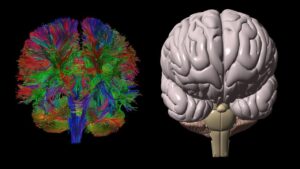
We provide a comprehensive concussion management program in Kansas City, addressing every stage of care from evaluation to therapy. Our approach begins with thorough assessments, including balance testing, oculomotor and vestibular evaluations, CNS Vital Signs neurocognitive testing, and advanced DTI imaging. With years of experience in concussion care, our multidisciplinary team combines cognitive rehabilitation, physical therapy, and mental health support to create a detailed understanding of each patient’s condition and needs.

Targeted therapies are tailored to address the wide range of concussion symptoms. From cognitive rehabilitation and balance training to oculomotor therapy and mental health interventions, every treatment is designed to support recovery and long-term well-being. Our experienced providers help patients across Kansas City, Overland Park, Lee’s Summit, and surrounding areas achieve safer, faster, and more complete recoveries.

Section Title

Expert Personal Injury Documentation Services in Kansas City

Expert Personal Injury Documentation Services in Kansas City Accurate injury documentation is one of...

Why Early TBI Rehabilitation Matters After a Car Accident in Kansas City

Why Early TBI Rehabilitation Matters After a Car Accident in Kansas City Traumatic brain injuries...

How Speech Therapy Helps Personal Injury Patients Recover From Traumatic Brain Injuries in Kansas City

How Speech Therapy Helps Personal Injury Patients Recover From Traumatic Brain Injuries in Kansas...

The Hidden Link: How Suboccipital Muscles Cause Headaches and Vision Problems After Concussion in Kansas City

The Hidden Link: How Suboccipital Muscles Cause Headaches and Vision Problems After Concussion in...

Harnessing the Power of Vagal Nerve Stimulation for Concussion Recovery in Kansas City

Harnessing the Power of Vagal Nerve Stimulation for Concussion Recovery in Kansas City Recovering...

Spinning Sensations After a Car Accident: Understanding BPPV and Dizziness in Kansas City

Why Spinning Sensations After a Car Accident Could Be BPPV: Understanding Post-Traumatic Vertigo in...

From Clinic to Daily Life: How Functional Exercise Transforms Concussion Recovery in Kansas City

From Clinic to Daily Life: How Functional Exercise Transforms Concussion Recovery in Kansas City...

How Negative Expectations Can Hold Back Concussion Recovery: Insights for Kansas City Patients

How Negative Expectations Can Hold Back Concussion Recovery: Insights for Kansas City Patients Many...

Navigating the Aftermath: A Checklist for Emotional and Physical Well-being Post-Accident in Kansas City

car accident therapist kansas city

Navigating the Aftermath: A Checklist for Emotional and Physical Well-being Post-Accident in Kansas City

The moments and days following a car accident in the Kansas City metro can feel overwhelming, chaotic, and emotionally draining. Beyond the immediate physical pain, you may be grappling with shock, anxiety, and a feeling of being completely lost. It’s easy to focus solely on physical injuries, but the true path to a full recovery involves addressing the mental and emotional toll of the event.

This checklist is your step-by-step guide to navigating the aftermath. It is designed to empower you with the tools and information needed to address both the visible and invisible challenges of your recovery. By taking these proactive steps, you can move from a state of overwhelm to a place of control, clarity, and lasting well-being.

Step 1: Acknowledge the Emotional Impact (The First 24-72 Hours)

Your mental health needs to be a top priority from the very beginning. The shock of an accident can trigger a wide range of emotions—from fear and anxiety to anger and confusion. It is normal to feel overwhelmed.

  • Seek Immediate Medical Care: While this is a physical step, it is crucial for your peace of mind. Getting a thorough medical evaluation not only documents your injuries but also gives you a clear baseline, which helps reduce the mental burden of uncertainty.

  • Acknowledge the Trauma: Do not dismiss what you are feeling as “just stress.” Acknowledge that you have experienced a traumatic event. This simple act of validation is the first step toward healing.

  • Maybe Connect with a Legal Expert: The legal complexities of a car accident in Kansas City can add significant stress. Contacting a trusted personal injury attorney early on can lift a huge weight from your shoulders, allowing you to focus on your emotional recovery without added worry.

Step 2: Begin Your Emotional Recovery (The First Few Weeks)

As the initial shock fades, a new set of emotional symptoms can emerge. This is often where the real battle begins, with issues like post-accident anxiety, emotional lability, and an inability to feel “normal.”

  • Seek Mental Health Support: Do not hesitate to contact a mental health therapist for car accidents. They can provide structured, professional support to help you process the trauma and manage the emotional and psychological toll. At Keystone Medical Group, our team provides trauma-informed care specifically designed for personal injury patients in Kansas City.

  • Establish a Daily Routine: Reclaiming a sense of normalcy is crucial for mental stability. Simple routines—like waking up at the same time each day, taking short walks, or having a consistent meal schedule—can help ground you when the world feels chaotic.

  • Monitor for Lingering Symptoms:Pay close attention to subtle changes. Are you experiencing more frequent panic attacks? Is “brain fog” making it hard to think? Is your sleep disrupted? Recognizing these symptoms and discussing them with a mental health professional is key to a faster recovery.

Step 3: Embrace the Road to Resilience (The First Month and Beyond)

True, lasting recovery is a marathon. It involves a holistic approach that connects the physical and emotional aspects of healing.

  • Integrate Physical and Mental Healing: Physical and mental health are deeply intertwined. As your physical injuries improve with therapies, your confidence will grow, directly reducing anxiety and helping you feel more in control. This integrated approach is a cornerstone of how Keystone Medical Group helps patients in the Kansas City metro.

  • Lean on Your Support System: You do not have to go through this alone. Talk to friends, family, or a support group. This connection is a powerful tool for emotional healing and a critical part of your journey to resilience.

  • Celebrate Small Victories: Acknowledging progress—whether it is having a pain-free day, getting a full night’s sleep, or simply feeling a little less anxious—is a vital part of the recovery process. Celebrate these small victories to build momentum and motivation.

By being proactive and taking these steps, you are not just treating an injury—you are investing in your long-term emotional and mental well-being.

Supporting the Supporter: A Guide for Family and Friends of Injury Victims in Kansas City

therapist personal injury kansas city

Supporting the Supporter: A Guide for Family and Friends of Injury Victims in Kansas City

When a loved one suffers a personal injury in the Kansas City metro area—especially a concussion or auto accident injury—the focus is naturally on their physical recovery. But what about you? The family members and friends who become caregivers, chauffeurs, and emotional rocks often feel helpless, overwhelmed, and alone. You witness the physical pain, but you might not know how to help with the invisible struggles of anxiety, fear, and emotional distress.

At Keystone Medical Group, we understand that an injury affects the entire support system. As a leading clinic in Kansas City that treats auto accident patients, our mission is to empower not only the patient but also those who care for them. This guide is for you, the supporter. It is designed to help you understand the emotional challenges your loved one is going through and provide you with a clear roadmap for how you can help them navigate the complex journey toward a full emotional recovery.

The Problem: When a Physical Injury Becomes an Emotional Battle

A physical injury can have a profound impact on a person’s mental and emotional well-being. This is not a sign of weakness; it is a direct physiological consequence of the trauma. Your loved one may be struggling with symptoms that are not visible on the outside, such as:

  • Cognitive Symptoms: “Brain fog,” memory problems, and difficulty concentrating.

  • Emotional Symptoms: Increased anxiety, irritability, depression, and a feeling of being “on edge.”

  • Sleep Disturbances: Difficulty falling or staying asleep, which can worsen both cognitive and emotional symptoms.

These challenges are often the most isolating part of the recovery process, and they can leave both the patient and their loved ones feeling misunderstood.

Your Role: How to Provide the Right Support

Your help is invaluable, but it needs to be targeted and compassionate. Here’s how you can help your loved one navigate the mental health challenges that may arise after an injury.

  • Practice Patience, Not Judgment: “Brain fog,” memory issues, and emotional lability are frustrating for everyone, especially the person experiencing them. Avoid phrases like “you’re just tired” or “you need to focus.” Instead, offer to help them make lists, write notes, or break down complex tasks.

  • Encourage Open Communication: Create a safe space for them to talk about their frustrations and fears without judgment. Remind them that what they’re feeling is real and not a sign of personal failure.

  • Recognize and Validate: Acknowledge that the emotional and cognitive struggles they are facing are a very real part of their recovery. This simple act of validation can significantly reduce their feelings of isolation.

  • Seek Professional Guidance: Recognize when the challenges are too great for you to handle alone. Encouraging your loved one to seek help from a specialized mental health therapist for car accidents is an act of compassion, not a sign of defeat. At Keystone Medical Group, our team provides structured mental health support to manage the anxiety and irritability that so often accompany a brain injury.

The Path to a Full Recovery: A Multidisciplinary Approach

Recovery from an auto accident in Kansas City is a marathon, not a sprint. The most successful recoveries are those that are guided by a compassionate and holistic team. At Keystone Medical Group, our team, which includes experts like Lance Stevenson and David Buechner, MD, works together to ensure every aspect of a patient’s injury is addressed. We believe that a comprehensive, personalized “therapy track” is the only way to achieve a complete and lasting recovery.

By understanding what your loved one is going through and providing the right kind of support, you become a powerful partner in their healing journey. You are not just a supporter; you are a vital part of the team.

Overcoming Fear-Avoidance Behaviors After an Accident in Kansas City

kansas city personal injury therapist

From Fear to Forward Motion - Overcoming Fear-Avoidance Behaviors After an Accident in Kansas City

After an auto accident in the Kansas City metro area, the path to recovery can feel daunting. The physical pain is obvious, but often the most significant barrier to healing is an invisible one, fear. This fear can lead to a common psychological response known as fear-avoidance behavior. It is the natural human tendency to avoid activities that you believe will cause you pain or re-injury. While this seems logical, it can actually lead to a vicious cycle that prolongs your suffering and prevents a complete recovery.

At Keystone Medical Group, we are the trusted clinic in Kansas City that treats auto accident patients. Our team, led by experts like Lance Stevenson, understands that a full recovery requires addressing both the body and the mind. We help you move past fear, teaching you how to safely and confidently return to your normal life. Our team includes a specialized mental health therapist for car accidents who works alongside our physical rehabilitation specialists to provide integrated care.

Key Takeaways

  • Fear-Avoidance is a Cycle: It starts with a perception of pain, leading to fear and then avoidance, which ultimately increases both physical and emotional symptoms.

  • Inactivity Causes More Pain: Avoiding movement leads to physical deconditioning, which can make your body more susceptible to pain and injury in the long run.

  • The Mind and Body are Linked: Fear-avoidance behavior not only impacts your physical health but also contributes to mental health conditions like anxiety, depression, and social isolation.

  • Integrated Care is Key: Combining physical therapy with trauma-informed mental health therapy is the most effective way to break the fear-avoidance cycle and achieve a lasting recovery.

Understanding the Fear-Avoidance Cycle

Imagine you are in a car accident and suffer a whiplash injury. In the days following, turning your head causes pain. To prevent this pain, you stop turning your head as much. This is a normal, protective response. However, if this avoidance continues, your neck muscles become weaker and stiffer, making it even more painful to move. This confirms your fear, leading you to avoid the movement even more.

The cycle often progresses like this:

  1. Perception of Pain: You feel pain or discomfort during an activity.

  2. Fear and Catastrophizing: You become afraid that the activity will cause further injury. You might think, “I am never going to get better” or “This pain is a sign of permanent damage.”

  3. Avoidance: You stop doing the activity entirely. This can escalate from avoiding specific movements to avoiding social outings, hobbies, or even returning to work.

  4. Physical and Emotional Decline: Your muscles weaken and your body loses flexibility, which can actually increase your pain. At the same time, your emotional well-being suffers from social isolation and the feeling of helplessness.

This cycle is incredibly common among personal injury patients, but our mental health therapist for car accidents can help you break free from it.

The Role of a Mental Health Therapist in Personal Injury Recovery

While physical therapy is essential for rebuilding strength and mobility, it is often not enough to address the deeply ingrained fear that drives avoidance. This is where the specialized expertise of a trauma-informed mental health professional comes in.

Our therapists use a variety of evidence-based techniques to help you manage your fears and anxieties, including:

  • Cognitive Behavioral Therapy (CBT): This modality helps you identify and challenge the negative thought patterns, like catastrophizing, that fuel your fear. By learning to reframe your thoughts, you can change your emotional response to pain.

  • Graded Exposure: This is a core component of our treatment. We work with you to gradually reintroduce the activities you have been avoiding in a safe and controlled manner. Starting with a very small, comfortable movement, you will slowly build your confidence and tolerance, proving to your brain that the activity is not dangerous.

  • Mindfulness and Relaxation Techniques: Learning to focus on the present moment and manage your body’s stress response can help reduce overall pain and anxiety, giving you the mental clarity to engage in your physical rehabilitation.

At our clinic in Kansas City that treats auto accident patients, we believe in a coordinated approach. Your mental health therapist works closely with your physical therapist to ensure your psychological and physical progress are synchronized, paving the way for a faster, more complete recovery.

Your Path to Reclaiming Your Life

Fear-avoidance is not a sign of weakness, it is a normal response to a traumatic event. However, it does not have to be the end of your story. By seeking the right help, you can break the cycle and start moving forward, literally and figuratively.

Keystone Medical Group provides the expert, compassionate care you need. From our advanced diagnostics to our integrated rehabilitation programs, our goal is to get you back to the life you love. If you are struggling with fear-avoidance behaviors in the wake of an injury, do not wait. Contact our Kansas City clinic today to schedule a consultation and begin your journey from fear to forward motion.

Frequently Asked Questions (FAQ)

Q: How is fear-avoidance different from just listening to my body? A: Listening to your body means being aware of your pain and not pushing past your limits. Fear-avoidance is different, it is a response where you avoid activity not because of current pain, but because of a fear of future pain or re-injury, even when a professional has deemed the activity safe.

Q: Can fear-avoidance be treated without medication? A: Yes. While medication can be helpful in some cases to manage anxiety or depression, the primary treatment for fear-avoidance is behavioral therapy and graded exposure, which are non-medication approaches.

Q: Will insurance cover this type of therapy? A: In most personal injury cases, the emotional and psychological consequences of the accident are considered a direct part of the injury and are therefore compensable. Our team can help you navigate this process.


Beyond Physical Pain: Managing the Emotional Toll of a Personal Injury

mental health therapy kansas city lien

Beyond Physical Pain: Managing the Emotional Toll of a Personal Injury

Key Takeaways

  • The emotional and psychological impact of a personal injury is just as real as the physical pain.

  • Emotional distress can manifest as anxiety, depression, anger, and stress, which can slow down physical recovery.

  • Keystone Medical Group offers specialized, compassionate Mental Health Therapy in Kansas City to help you heal from the inside out.

  • Addressing your mental health is a crucial step towards a complete and faster recovery.

When a car accident or a fall leaves you with a physical injury, the initial focus is almost always on the visible wounds: broken bones, whiplash, or chronic pain. But what about the scars you can’t see? The emotional toll of a personal injury is a silent and often underestimated burden that can significantly impact your recovery. At Keystone Medical Group, we are experts in addressing the full spectrum of injury, and we know that true healing involves caring for both the mind and the body. Our specialized services are designed to help you manage the emotional aftermath of an injury, empowering you to reclaim your life.

The Hidden Symptoms of Emotional Distress

The trauma of an accident can trigger a range of psychological and emotional responses that are not always immediately obvious. These “hidden symptoms” can affect your daily life long after your physical injuries have started to heal. Recognizing them is the first step toward getting the right help.

Common Emotional Responses to Injury:

  1. Anxiety: It’s natural to feel anxious after an accident, but when this anxiety becomes persistent and overwhelming, it can be a significant barrier to recovery. You might experience a heightened sense of fear, panic attacks, or worry about future accidents. This can lead to fear-avoidance behaviors, where you avoid activities or situations that remind you of the event.

  2. Depression: The physical limitations, financial stress, and disruption to your daily routine can lead to feelings of hopelessness and sadness. You might lose interest in hobbies you once enjoyed, feel isolated from friends and family, or experience changes in sleep and appetite.

  3. Irritability and Anger: Feelings of frustration and anger are common. You may feel angry at the person who caused the accident, at your physical limitations, or at the medical and legal processes. This anger can strain your relationships and make it difficult to focus on healing.

  4. Post-Traumatic Stress Symptoms: For many, an accident is a traumatic event. You may experience intrusive thoughts, nightmares, or flashbacks of the event. Loud noises, sirens, or even getting back into a car can become powerful triggers, causing a rapid increase in your heart rate and a sense of panic.

The Connection Between Mind and Body in Recovery

The emotional and physical aspects of recovery are not separate; they are deeply interconnected. When you are in a state of emotional distress, your body releases stress hormones like cortisol. Prolonged exposure to these hormones can:

  • Increase inflammation, which can worsen pain and delay healing.

  • Suppress the immune system, making you more susceptible to illness.

  • Interfere with sleep, a critical process for physical and mental restoration.

  • Raise your pain sensitivity, making every ache and discomfort feel more intense.

This is why a holistic approach is so vital. By providing integrated care that addresses both the physical and emotional components of your injury, we help you break the cycle of pain and stress. Our multidisciplinary team works together to ensure that every aspect of your recovery is supported, leading to a faster and more complete return to your normal life.


The Keystone Medical Group Approach

At Keystone Medical Group, we understand that your emotional well-being is a key component of your recovery plan. Our Mental Health Therapy in Kansas City services are specifically tailored for individuals recovering from personal injuries. Our licensed therapists provide a safe and supportive environment to help you process your experiences and develop healthy coping mechanisms.

Our approach includes:

  • Trauma-Informed Care: We recognize that an accident can be a traumatic event and we provide care that is sensitive to your emotional state. To learn more about the psychological impact of trauma, you can review resources from the American Psychological Association.

  • Cognitive Behavioral Therapy (CBT): This helps you identify and challenge the negative thought patterns that contribute to anxiety and depression.

  • Coping Strategies: We equip you with practical tools for managing stress, improving sleep, and regulating your emotions.

We also ensure seamless collaboration with our other services. For example, our mental health therapists work closely with our physical therapy team to address fear-avoidance behaviors that may be preventing you from participating in your physical rehabilitation exercises. This integrated care model ensures you receive a cohesive, personalized treatment plan.

Frequently Asked Questions (FAQs)

Q: Do I really need therapy for a physical injury? A: Yes. A personal injury is not just a physical event; it’s a life-altering experience. Many people find that addressing the emotional and psychological impact is the missing piece of their recovery puzzle.

Q: How can therapy help my physical pain? A: Mental health therapy can help you manage stress, reduce anxiety, and improve sleep. These changes can directly lower your pain sensitivity and support your body’s natural healing processes.

Q: What is fear-avoidance behavior? A: Fear-avoidance behavior is when you avoid activities out of fear of re-injury. For example, if you were in a car accident, you might develop a fear of driving. This can severely limit your quality of life.

Q: How do you treat emotional issues from a TBI? A: We use a combination of therapy modalities to address emotional issues from a TBI, including psychoeducation to help you understand your symptoms, and specialized therapy like CBT to help you cope. Our approach is integrated with our broader concussion management program to treat the whole person.

Begin Your Emotional Recovery Today

Don’t let the emotional weight of your injury hold you back. At Keystone Medical Group, we are committed to helping you heal, both physically and emotionally. Our expert team is ready to provide the compassionate, integrated care you need. You may also want to consider a top-tier professional like a chiropractor. Contact us today to schedule a consultation and take the first step toward a complete recovery.

The Mind’s Recovery: Emotional Healing After an Injury in Kansas City

Post-concussion syndrome Kansas City

The Mind's Recovery: Emotional Healing After an Injury in Kansas City

At Keystone Medical Group, a leading provider of personal injury and concussion care in Kansas City, we understand that a physical injury is never just physical. An auto accident, a slip and fall, or a workplace incident in the greater Kansas City metro area can leave behind invisible wounds that are just as debilitating as any broken bone or strained muscle. Anxiety, depression, fear, and trauma are not just side effects, they are a core part of the injury itself. This post explores the often overlooked emotional toll of personal injury and explains why integrated mental health support is not a luxury, it is a critical component of a full recovery. As a top clinic in Kansas City that treats auto accident patients, we are here to help.

Our clinics, serving patients from Overland Park to Lee’s Summit, MO, are built on the principle that true healing addresses the whole person. We are experts in treating the complex interplay between physical pain and emotional distress, providing a clear path forward when the emotional weight of an injury feels overwhelming.

Key Takeaways

  • Emotional Trauma is a Direct Part of the Injury: Anxiety, depression, and PTSD are common and direct consequences of personal injuries, not signs of weakness.

  • The Brain and Body are Interconnected: Physical pain can worsen mental health symptoms, and unresolved emotional distress can delay physical healing.

  • Fear-Avoidance is a Major Barrier: After an accident, it is natural to fear re-injury, but avoiding activity can lead to chronic pain, deconditioning, and increased isolation.

  • Integrated Care is Essential: Combining physical rehabilitation with trauma-informed mental health therapy provides the most effective path to a complete and lasting recovery.

The Psychological Fallout of Personal Injury

After a traumatic event like a car crash or a serious fall, the body’s primary focus is on physical survival. Your nervous system is flooded with stress hormones, your muscles tense up, and your brain goes into high alert. While this response is protective in the moment, it can leave a lasting imprint on your psychological well being.

Many patients in the Kansas City area report feeling emotionally “off” long after their physical wounds have started to heal. This is not unusual. The emotional toll of a personal injury can manifest in several ways:

  • Anxiety and Hypervigilance: You might find yourself constantly on edge, replaying the accident in your mind, or feeling a sense of dread when faced with situations that remind you of the event, like driving a car. This is a classic symptom of post,traumatic stress.

  • Depression and Hopelessness: The frustration of dealing with chronic pain, the inability to work or enjoy hobbies, and the stress of medical bills and insurance claims can lead to feelings of sadness, isolation, and hopelessness.

  • Irritability and Anger: It is common to feel angry about the accident, the other person involved, or even your own body for not healing faster. This can strain relationships with family and friends.

  • Loss of Identity: If an injury prevents you from performing your job, caring for your family, or participating in activities you love, it can feel like you have lost a part of yourself.

At Keystone Medical Group, our approach begins with validating these experiences. Our personal injury mental health specialists in Kansas City recognize that these emotional symptoms are a direct and predictable outcome of the trauma you have endured.

The Vicious Cycle of Pain, Anxiety, and Inactivity

One of the greatest challenges in personal injury recovery is the complex relationship between physical pain and emotional health. These two systems are deeply interconnected, and when one is out of balance, the other is sure to follow. This often creates a downward spiral known as the “fear-avoidance cycle.”

Here is how it works:

  1. You Experience Pain: After your injury, certain movements or activities cause pain.

  2. You Fear the Pain: Naturally, you begin to fear the activities that cause pain, anticipating that they will make your injury worse.

  3. You Avoid Those Activities: To protect yourself, you stop doing things that you believe will hurt you. You might stop exercising, avoid social gatherings, or even take extra time off work.

  4. Your Body and Mind Suffer: This avoidance leads to physical deconditioning, muscle weakness, and increased stiffness, which can actually make your pain worse. At the same time, the social isolation and lack of activity can fuel feelings of depression and anxiety.

This cycle can be incredibly difficult to break on your own. It is why our trauma-informed therapy in Overland Park and our other locations is integrated directly with our physical rehabilitation programs. We help you safely reintroduce movement and activity while providing you with the psychological tools to manage your fear and anxiety.

How Keystone Medical Group Treats the Emotional Toll of Injury

At Keystone Medical Group, we do not treat your physical and emotional symptoms in isolation. Led by Dr. Lance Stevenson, a trusted name in Kansas City, our multidisciplinary team works together to create a cohesive and personalized treatment plan that addresses every aspect of your recovery. A mental health therapist for car accidents is a critical part of this team.

Our mental health support for personal injury includes:

  • Comprehensive Evaluation: Our licensed therapists conduct a thorough evaluation to understand the full scope of your emotional and psychological symptoms. We create a safe, non,judgmental space for you to share your experiences.

  • Trauma-Informed Therapy: We use evidence,based therapeutic modalities like Cognitive Behavioral Therapy (CBT) and Eye Movement Desensitization and Reprocessing (EMDR) to help you process the trauma of the accident and develop healthy coping strategies.

  • Pain Management Techniques: Our therapists teach you techniques like mindfulness, relaxation exercises, and cognitive reframing to help you manage your perception of pain and reduce its control over your life.

  • Collaboration with Your Physical Care Team: Our mental health professionals work hand in hand with our physical therapists and medical providers. This ensures that your physical and emotional therapies are aligned and that you are progressing safely on all fronts.

Your Path to a Complete Recovery Starts Here

Recovering from a personal injury is about more than just healing your body. It is about reclaiming your sense of safety, your confidence, and your quality of life. At Keystone Medical Group, we are committed to providing the integrated, compassionate care you need to heal completely, both inside and out.

If you are struggling with the emotional weight of an injury, you are not alone, and you do not have to suffer in silence. Contact our concussion and personal injury clinic in Kansas City today to schedule an evaluation and take the first step toward a full and lasting recovery.

Frequently Asked Questions (FAQ)

Q: Is it normal to feel anxious or depressed after a minor car accident? A: Absolutely. Even accidents that seem minor can be traumatic. The suddenness of the event, the feeling of losing control, and the disruption to your life can trigger significant emotional responses, regardless of the severity of your physical injuries.

Q: How can therapy help my physical pain? A: Therapy can help you change your relationship with pain. By learning techniques to manage stress, reduce anxiety, and reframe negative thoughts about your pain, you can lower your body’s overall stress response, which can directly reduce pain perception and muscle tension.

Q: Will my personal injury settlement cover mental health therapy? A: In many cases, yes. Mental health treatment that is deemed necessary for your recovery from an accident is often a compensable part of a personal injury claim. Our team is experienced in providing the necessary documentation to support your case.


The Invisible Injury: Why Mental Health Care is Essential After a Concussion

concussion doctor in kansas city

The Invisible Injury: Why Mental Health Care is Essential After a Concussion

Key Takeaways

  • Concussions are more than just physical brain injuries; they can cause significant psychological and emotional distress.

  • The emotional symptoms of a concussion, like anxiety, depression, and irritability, are as real and debilitating as the physical ones.

  • A comprehensive approach to recovery must include specialized Mental Health Therapy in Kansas City to address the unseen injury.

  • At Keystone Medical Group, our integrated care model helps patients recover faster and more completely by treating both the physical and emotional aspects of a concussion.

When most people think of a concussion, they picture a temporary headache, dizziness, or a few days of “brain fog.” They are often told to rest in a dark room and wait for symptoms to subside. What they aren’t told is that a concussion is a mild traumatic brain injury (TBI) that can leave lasting emotional and psychological scars, the “invisible injury.” As a leading concussion specialist in Kansas City, Keystone Medical Group understands that true recovery extends far beyond the physical. We know that to fully heal, you must address the emotional and psychological toll that a concussion can take.

The Unseen Battle: Emotional and Psychological Symptoms

While physical symptoms like headaches and fatigue are widely recognized, the emotional and psychological effects of a concussion are often overlooked. Yet, these symptoms can be the most challenging and disruptive to a patient’s life. According to the Centers for Disease Control and Prevention, these emotional symptoms are a direct result of the brain injury.

Common “Invisible” Symptoms:

  • Persistent Anxiety and Stress: Fear of re-injury or the stress of navigating medical appointments and work limitations can lead to a state of constant anxiety.

  • Mood Swings and Irritability: The brain’s regulatory systems can be affected, leading to unpredictable mood swings, emotional lability, and a short temper.

  • Depression: Feeling isolated, unable to return to hobbies, or struggling with cognitive function can lead to feelings of hopelessness and clinical depression.

  • Social Withdrawal: Fatigue, sensory sensitivity (to light or noise), and difficulty concentrating can make social interactions exhausting, leading to social isolation.

  • Fear-Avoidance Behaviors: Patients may begin to avoid activities that they believe might trigger their symptoms, such as exercising, driving, or being in loud environments.

These symptoms are not a sign of weakness; they are a direct consequence of the injury to the brain. Just as a physical injury requires a physical therapist, the psychological injury requires a dedicated mental health professional.

The Link Between Brain Injury and Emotional Distress

The brain is the control center for both our cognitive function and our emotions. A concussion can directly damage or disrupt the very neural pathways that regulate mood, impulse control, and emotional responses. Furthermore, the stress of the injury itself, the pain, the uncertainty of recovery, and the changes in daily life, can act as a powerful psychological stressor. Research from institutions like the Mayo Clinic has shown a strong correlation between concussions and the development of anxiety and depression. This is why a single-minded focus on physical rehabilitation is simply not enough.

A Holistic, Integrated Approach to Concussion Recovery

At Keystone Medical Group, we are Kansas City’s go-to concussion specialists because we provide a comprehensive, integrated approach that addresses every aspect of a patient’s recovery. We don’t just assess your physical symptoms; we also conduct a thorough mental health screening from the start.

Our treatment plans are personalized and combine:

  • Medical Management: Expert evaluation and guidance from our medical providers.

  • Physical and Cognitive Therapy: Targeted exercises to improve balance, vision, and cognitive function.

  • Specialized Mental Health Therapy: Our licensed therapists provide a safe space to process the trauma and develop coping mechanisms.

Our team collaborates closely to ensure that your physical and mental health treatments are coordinated. For example, a patient struggling with fear-avoidance behaviors after a concussion receives a treatment plan where physical therapy is designed to gradually reintroduce activities, while mental health therapy helps them manage the underlying anxiety. This integrated model is designed for a more efficient and complete recovery.

The Importance of Early Intervention

The emotional and psychological symptoms of a concussion can worsen over time if left untreated. Patients may develop chronic anxiety or depression, and the fear-avoidance cycle can become deeply ingrained, making it even harder to break. Early intervention is key. Addressing your mental health at the beginning of your recovery journey can help you build resilience, manage your symptoms more effectively, and prevent long-term complications. The Cleveland Clinic offers valuable information on understanding and managing post-concussion syndrome.

You may also want to consider a professional like a chiropractor for your physical care.

Frequently Asked Questions (FAQs)

Q: Are my emotional symptoms normal after a concussion? A: Yes, they are. Many people feel like their emotional responses are “not right,” but they are a very common consequence of a brain injury. Recognizing this is a crucial step towards healing.

Q: How does mental health therapy help with a physical injury? A: Mental health therapy helps you manage the stress, anxiety, and frustration that can slow down your physical recovery. By helping you cope with the emotional toll, therapy enables your body to focus on healing.

Q: What is the difference between a concussion and a TBI? A: A concussion is a type of mild traumatic brain injury (TBI). All concussions are TBIs, but not all TBIs are concussions.

Q: How do you treat the psychological symptoms of a concussion? A: We provide a safe space for you to talk about your experience and your feelings. We use evidence-based therapies like cognitive-behavioral therapy (CBT) to help you understand and manage your symptoms.

Don’t Let the Invisible Injury Hold You Back

If you or a loved one are struggling with the emotional aftermath of a concussion, don’t wait to get help. At Keystone Medical Group, we are here to provide the comprehensive care you need to make a full and complete recovery. We are committed to helping you heal from both the seen and unseen injuries, so you can get back to living a vibrant, confident life.

The Gut-Brain Axis: A New Frontier in Concussion Recovery

concussion specialist kansas city

The Gut-Brain Axis: A New Frontier in Concussion Recovery

If you’re still experiencing symptoms like brain fog, fatigue, mood changes, or stomach issues long after a concussion, you may be missing a critical piece of the recovery puzzle: the gut-brain axis. For many years, the standard approach to concussion care focused on the brain and physical symptoms. However, a growing body of research shows that the gut is inextricably linked to brain health.

At Keystone Medical Group, a leading concussion clinic in Kansas City, our integrated approach recognizes this connection. We believe that to achieve a full recovery, you must address the complex, bidirectional communication between your gut and your brain. If you are searching for a concussion specialist in Kansas City or a concussion doctor near me, you have come to the right place.

What is the Gut-Brain Axis?

The gut-brain axis is a two-way communication network that connects your central nervous system (brain and spinal cord) to your enteric nervous system (the “second brain” in your gut). This constant dialogue is facilitated by:

  • The Vagus Nerve: A superhighway of nerve fibers that sends signals back and forth between your brain and gut.

  • Neurotransmitters: Many key neurotransmitters, including a significant amount of the body’s serotonin, are produced and stored in the gut.

  • The Gut Microbiome: The trillions of microorganisms that live in your digestive tract. They play a vital role in producing chemicals that influence brain function, mood, and inflammation.

When this system is working correctly, it maintains a state of balance. But a concussion can throw this delicate network into chaos.

How Concussions Disrupt the Gut-Brain Connection

A traumatic brain injury, even a mild one like a concussion, triggers a widespread inflammatory response. This inflammation isn’t confined to the brain; it can cause changes throughout the body, including the gut. This can lead to a state of dysbiosis, an imbalance in the gut microbiome.

This imbalance can create a negative feedback loop:

  1. Increased Inflammation: Inflammation in the gut can create a “leaky gut” (increased intestinal permeability), allowing toxins and inflammatory molecules to leak into the bloodstream.

  2. Disrupted Communication: These inflammatory molecules can cross the blood-brain barrier and worsen neuroinflammation in the brain, which can intensify symptoms like brain fog, headaches, and fatigue.

  3. Altered Neurotransmitters: Dysbiosis can impair the production of essential neurotransmitters, contributing to common post-concussion symptoms like anxiety, depression, and mood swings.

This is why many people who suffer a concussion find themselves grappling with a range of frustrating symptoms that don’t seem to make sense, from digestive issues and food sensitivities to chronic fatigue and emotional lability.

Our Comprehensive Approach to Healing the Whole Person

At Keystone Medical Group, we don’t just treat the symptoms—we find and address the underlying drivers of your condition. Our CORE Program is designed to restore balance to your entire system, including the gut-brain axis.

While we are not gastrointestinal specialists, our holistic approach provides the tools to help heal this vital connection. Through therapies like:

  • Autonomic Nervous System Regulation: By calming a nervous system that is in a state of high alert, we can directly influence the vagus nerve and reduce the stress response that exacerbates gut-brain dysfunction.

  • Targeted Nutrition and Supplementation: We provide guidance on a diet that reduces inflammation and supports a healthy microbiome.

  • Cognitive and Mental Health Support: By addressing the mental health component of your recovery, we help manage the stress, anxiety, and depression that can further disrupt this crucial connection.

By taking a comprehensive, functional approach to your care, our team can help you break the cycle of chronic symptoms and restore the healthy communication between your gut and your brain. This integrated method is what makes us a leading concussion clinic in Lee’s Summit, MO, and a trusted concussion doctor in Overland Park.

For more information on the link between concussions and the gut microbiome, read this article from a leading medical institution: What the Gut Microbiome Can Tell Us About Concussions.

10 Signs You May Have Whiplash After a Car Accident

10 Signs You May Have Whiplash After a Car Accident

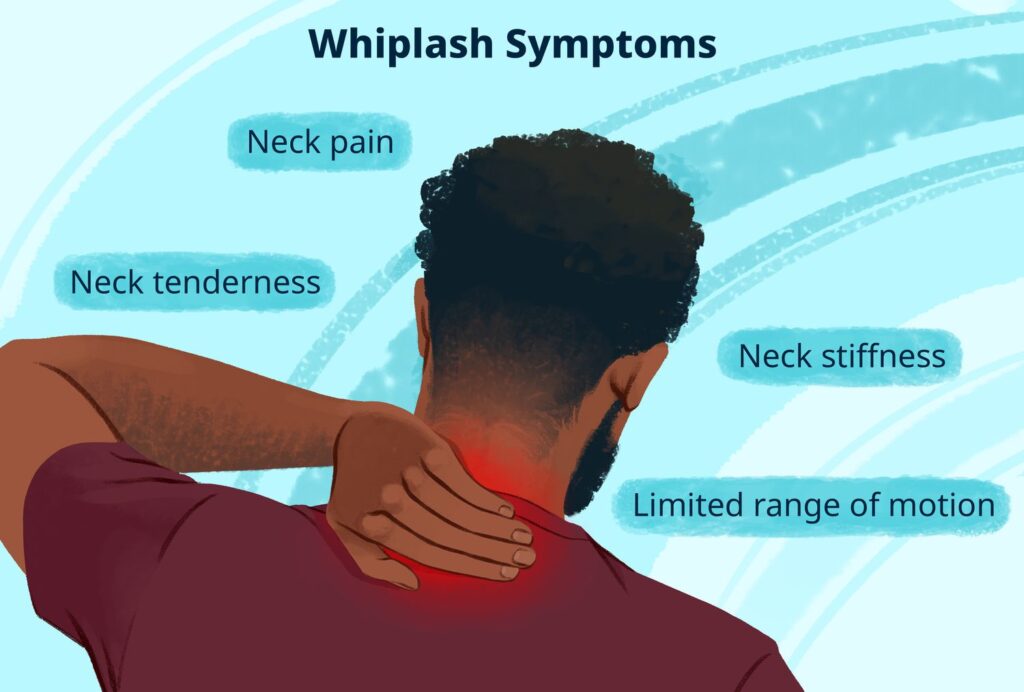
Whiplash is a soft tissue injury that commonly occurs in car accidents, especially during rear-end collisions. The rapid back-and-forth motion of the neck can strain muscles, ligaments, and nerves, leading to a wide range of symptoms. While some signs show up immediately, others may take several hours or days to appear.

If you’ve been in a car accident in Kansas City, Overland Park, or Leawood, knowing the signs of whiplash can help you recognize when it’s time to seek care.


Common Symptoms of Whiplash After an Auto Accident

1. Neck Pain or Stiffness

Pain or reduced range of motion in the neck is one of the most common symptoms of whiplash. This may be felt when turning your head, tilting it, or holding certain positions.

2. Headaches

Post-traumatic headaches are often reported after collisions. These may start at the base of the skull and radiate toward the forehead.

3. Shoulder or Upper Back Pain

The impact of a crash can strain muscles in the upper back and shoulders, resulting in soreness or sharp discomfort.

4. Dizziness or Balance Issues

Feeling dizzy, unsteady, or lightheaded can indicate a disruption in the neck’s relationship with the vestibular system, which helps control balance.

5. Blurred Vision

Intermittent visual changes, such as blurred vision or trouble focusing, may be connected to cervical spine injuries like whiplash.

6. Tingling or Numbness

A pinched nerve or inflammation may lead to tingling, numbness, or weakness in the arms or hands.

7. Difficulty Concentrating or Mental Fog

Cognitive issues such as forgetfulness, slowed thinking, or feeling mentally “foggy” are sometimes overlooked but important symptoms of whiplash.

8. Fatigue

Feeling abnormally tired may be a sign your body is working overtime to heal or compensate for hidden injuries.

9. Jaw Pain or Clicking

The forces of impact can affect the temporomandibular joint (TMJ), causing discomfort or clicking sounds while chewing or speaking.

10. Ringing in the Ears (Tinnitus)

Some individuals notice buzzing, ringing, or discomfort in the ears after a car crash. This may be related to nerve irritation or joint strain.


Why You Should Seek Medical Evaluation

In the Kansas City metro, many people delay treatment after an accident, assuming their symptoms will go away. But whiplash can worsen if left untreated. A comprehensive medical evaluation can identify soft tissue, neurological, and musculoskeletal damage that may not show up on standard imaging tests.

At Keystone Medical Group, we provide thorough assessments for individuals involved in auto accidents. Our treatment approach includes physical therapy, medical care, and coordination with trusted local chiropractors when appropriate. We customize care plans to meet your recovery goals and help restore your quality of life.


Serving Kansas City, Overland Park, and Leawood

If you’ve been in a crash and are experiencing neck pain, headaches, or other signs of whiplash, don’t wait. Contact Keystone Medical Group to schedule a consultation.

Call 816-705-2842 to speak with our team or request an appointment online.